Address
Flat No. I-3, Rupchandr Complex, B-Wing,
3rd Floor, Next To Surana Complex, Aurangpura
Flat No. I-3, Rupchandr Complex, B-Wing,
3rd Floor, Next To Surana Complex, Aurangpura

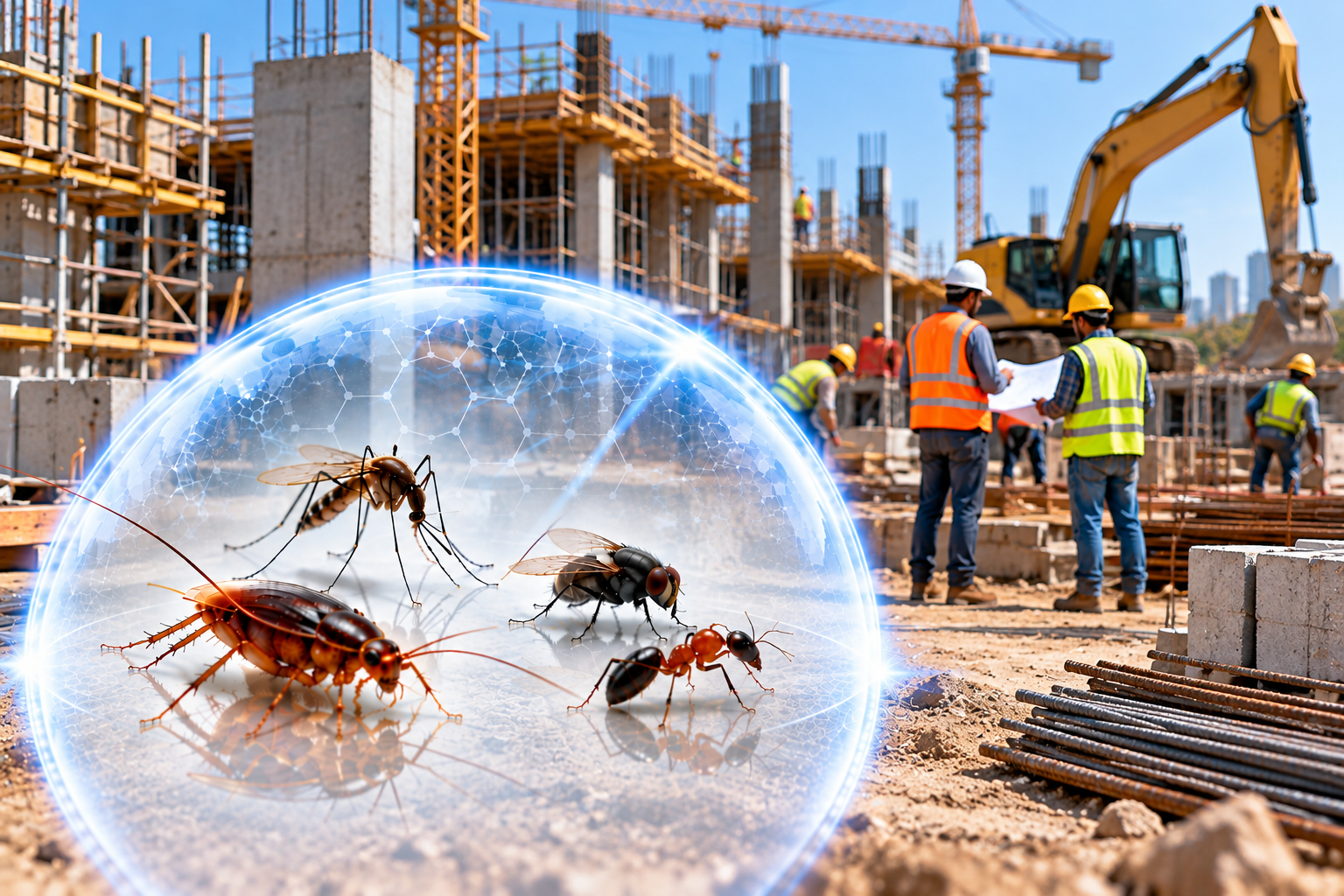
Construction sites are constantly changing. Excavation, foundation work, structural development, material storage, temporary facilities, utilities, landscaping, and finishing activities can all create different pest-risk conditions as a project progresses.
Open access points, standing water, construction debris, stored materials, waste, temporary structures, and surrounding vegetation can provide opportunities for pests to enter and establish activity.
24×7 Pest Management Services provides customized pest-management programs for construction projects, helping identify pest risks at different stages of development and supporting a smoother transition from construction to occupancy.
Pest Risks Change as the Project Develops
A construction site does not remain the same from one week to the next. New structures, materials, temporary access points, utilities, and surrounding conditions continuously change the pest environment.
Residential Construction Projects
Commercial Buildings
Industrial Projects
Warehouses & Logistics Facilities
Hotels & Hospitality Projects
Hospitals & Healthcare Projects
Educational Campuses
Township & Housing Projects
Infrastructure Projects
Renovation & Redevelopment Projects


Rainwater, excavation areas, leaking pipes, temporary drainage, water storage, and damp construction zones can contribute to insect activity.
Unfinished walls, doors, windows, roof areas, service openings, and construction gaps can provide easy access for pests.
Timber, boards, packaging, pallets, stored materials, and equipment can create potential harbourage or may introduce pests onto the site.
Construction waste, discarded packaging, scrap, food waste, and unmanaged collection areas can contribute to pest activity.
Temporary kitchens, accommodation, washrooms, drinking-water areas, and common facilities may create food, moisture, and waste-related pest risks.
Drainage systems, ducts, service trenches, cable routes, utility rooms, and concealed spaces may require additional inspection.
Open land, vegetation, neighbouring properties, drainage, waste, and environmental conditions can influence pest pressure.
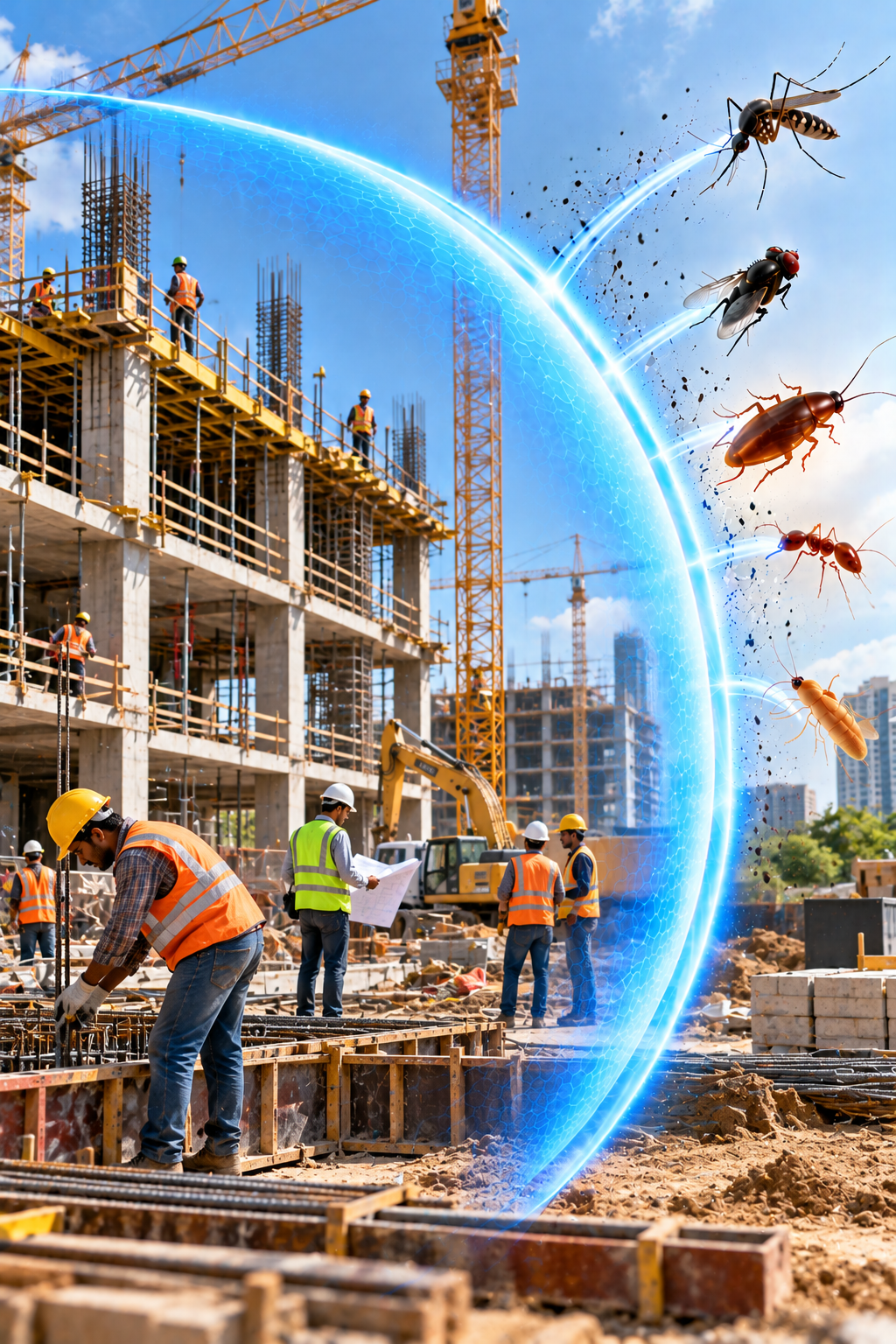
Pest risks can change significantly as construction moves from groundwork to structure, services, interiors, landscaping, and final handover.
Assess current construction activities, site boundaries, materials, temporary facilities, drainage, waste, and surrounding conditions.
Locate pest activity, moisture, standing water, harbourage, entry routes, waste conditions, and other contributing factors.
Adjust pest-management priorities as the project progresses through different construction phases.
Provide practical recommendations related to water management, waste, storage, sanitation, exclusion, housekeeping, and site conditions.
Carry out appropriate inspection and monitoring to identify changing pest activity.
Implement targeted pest-management measures where required according to pest type, location, construction stage, and site conditions.
Programs are developed around the current project stage, site conditions, construction activities, and future building use.
Pest risks can be reassessed as the site progresses from excavation through structural work, interiors, landscaping, and completion.
Stored materials, timber, packaging, waste, water accumulation, temporary facilities, and open structures can be considered during inspections.
We identify conditions that may contribute to pest activity and provide practical recommendations where appropriate.
Near project completion, pest-management priorities can focus on internal spaces, service routes, perimeter conditions, and potential entry points before occupancy.
Inspection observations, pest activity, treatment information, recommendations, and follow-up requirements can be documented as part of the agreed program.
Call Now
Mail Id
Visit office