Address
Flat No. I-3, Rupchandr Complex, B-Wing,
3rd Floor, Next To Surana Complex, Aurangpura

Flat No. I-3, Rupchandr Complex, B-Wing,
3rd Floor, Next To Surana Complex, Aurangpura

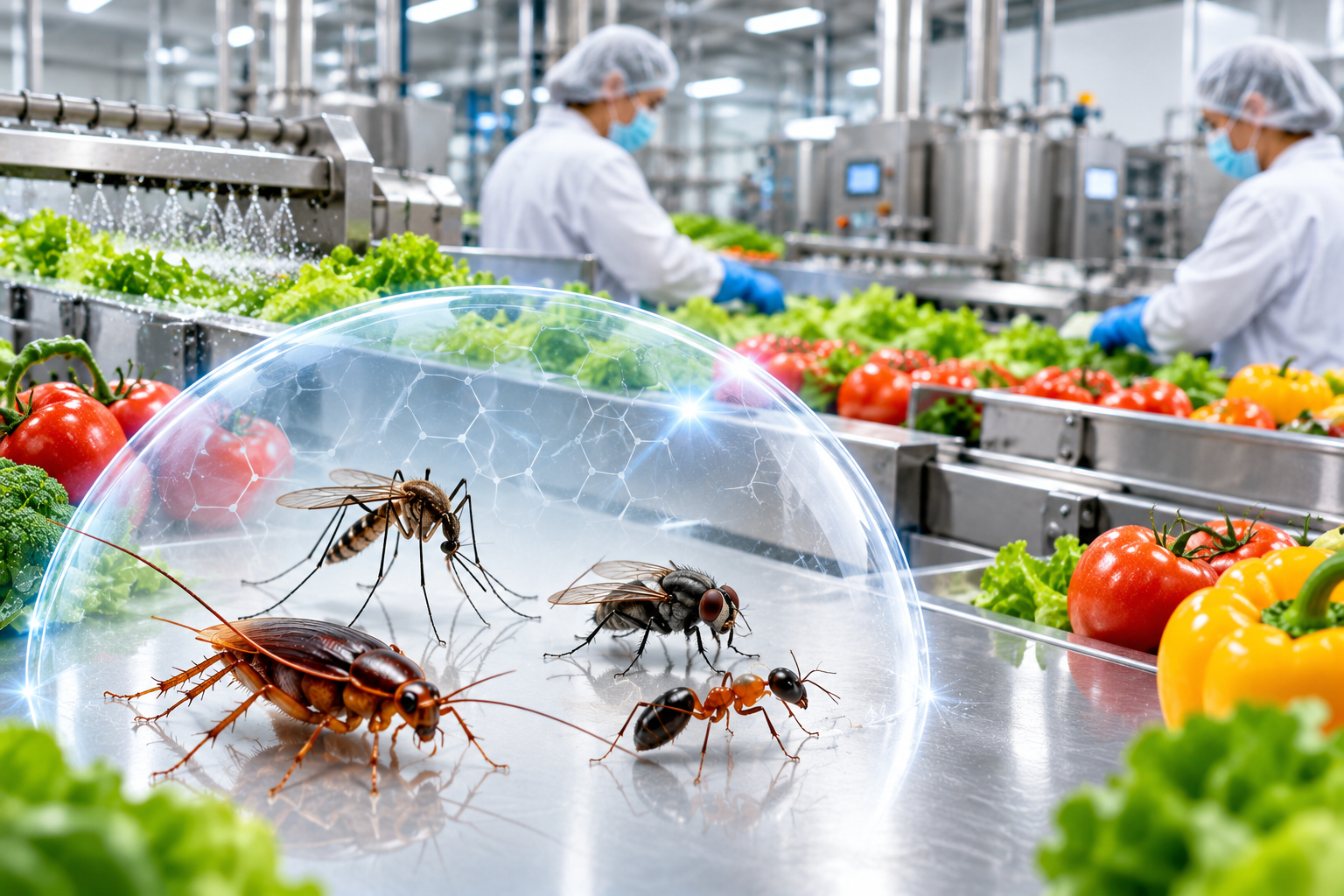
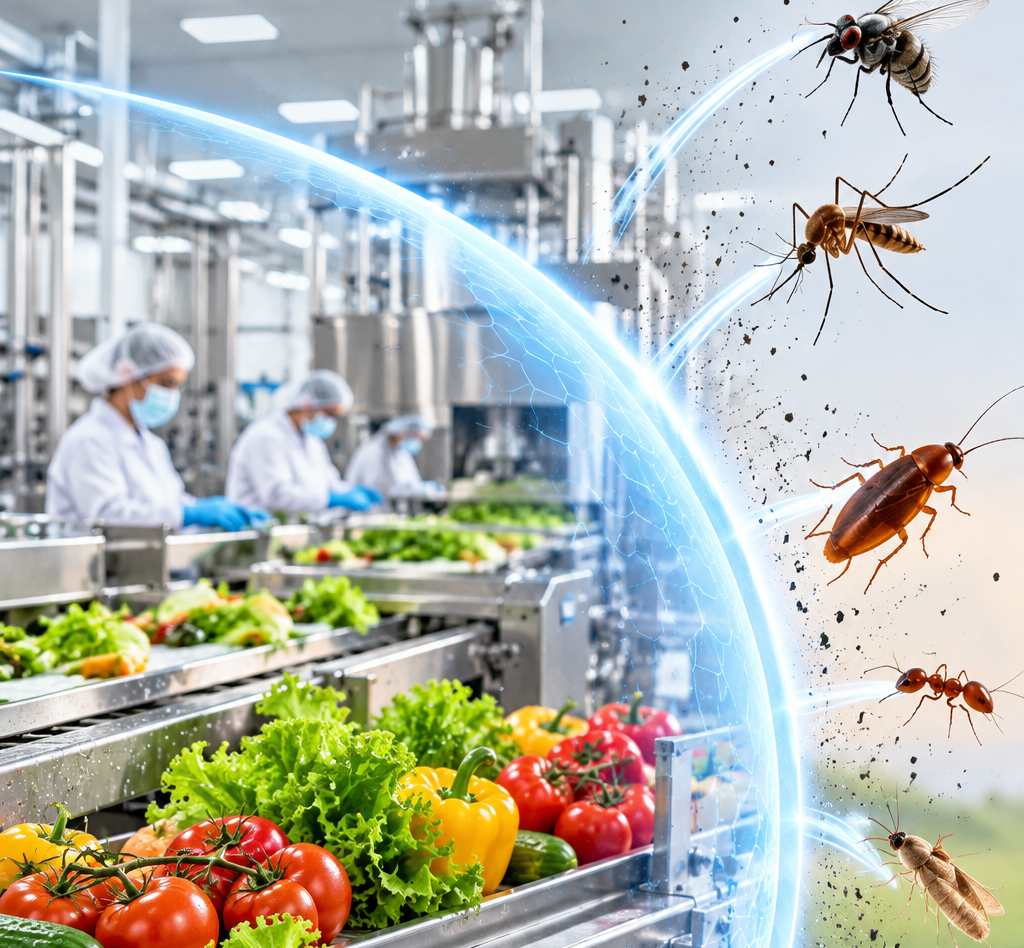
Food processing facilities operate through a continuous flow of raw materials, ingredients, processing, packaging, storage, and dispatch. Each stage can create different conditions that may attract or support pest activity.
A professional pest-management program helps identify these risks, strengthen preventive measures, monitor activity, and provide targeted control where required.
24×7 Pest Management Services provides customized pest-management solutions for food-processing facilities, designed around the facility layout, production activities, storage conditions, hygiene practices, pest pressure, and operational requirements.
Food processing facilities operate across multiple interconnected areas, from raw-material receiving to production, packaging, storage, and dispatch.
Food Processing Plants
Dairy & Milk Processing Facilities
Bakery & Confectionery Units
Grain & Flour Processing Facilities
Spice & Ingredient Processing Units
Beverage Processing Facilities
Packaged Food Manufacturing
Cold Storage & Food Warehouses
Food Packaging Facilities
Distribution & Storage Centres


Food residues, spilled ingredients, damaged packaging, and improperly managed materials can create potential food sources.
Leaks, standing water, condensation, blocked drains, and damp areas can contribute to pest activity.
Gaps around doors, windows, service penetrations, walls, ceilings, and other building elements may provide potential entry routes.
Storage arrangements, pallets, material stacking, and inaccessible spaces can influence inspection and pest activity.
Food waste, packaging waste, collection points, and external waste areas require appropriate management to reduce pest attraction.
Machinery spaces, electrical areas, utility routes, concealed voids, and difficult-to-access locations may provide potential harbourage.
Vegetation, drainage, neighbouring premises, waste areas, and environmental conditions surrounding the facility can influence internal pest activity.
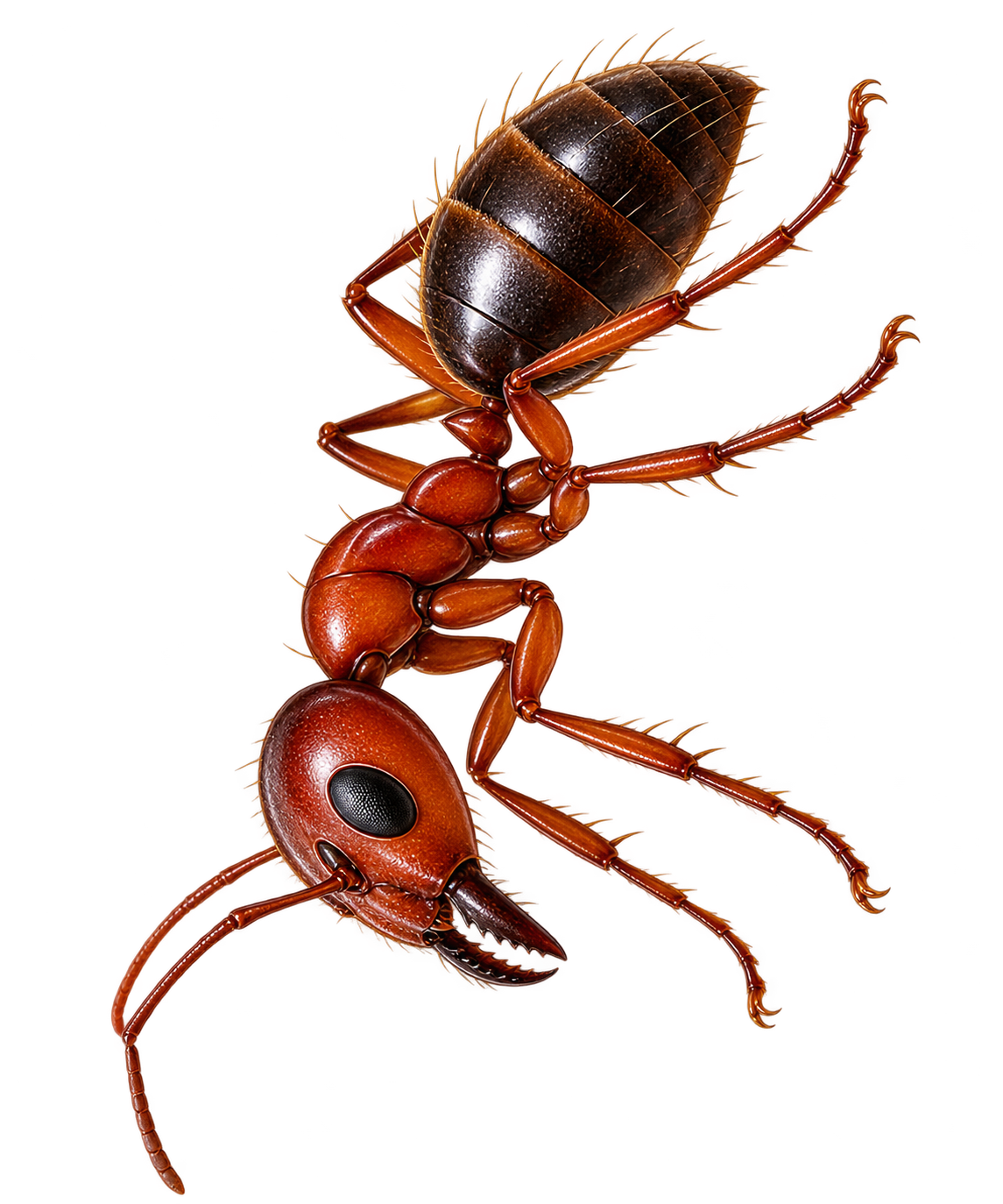
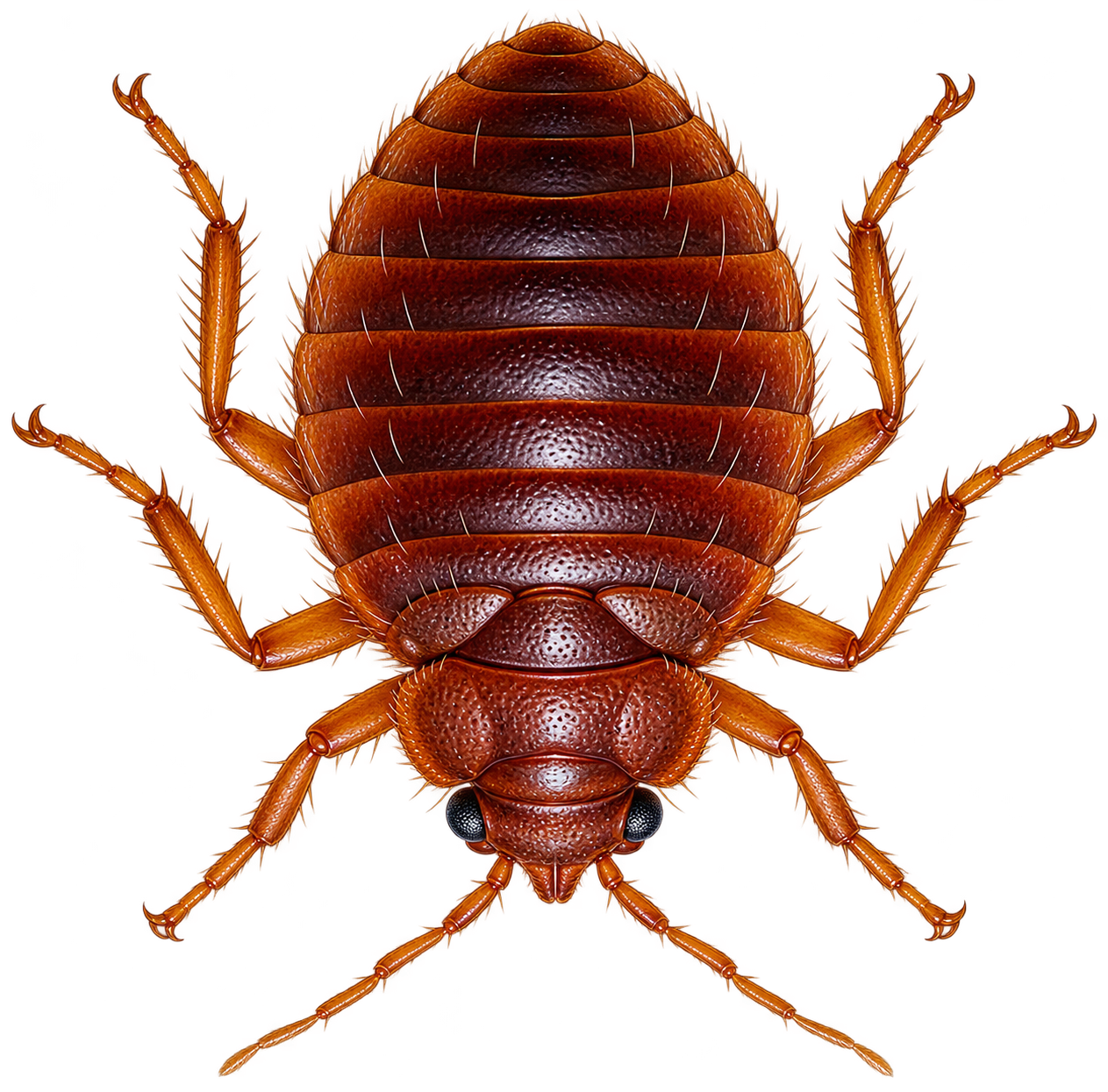
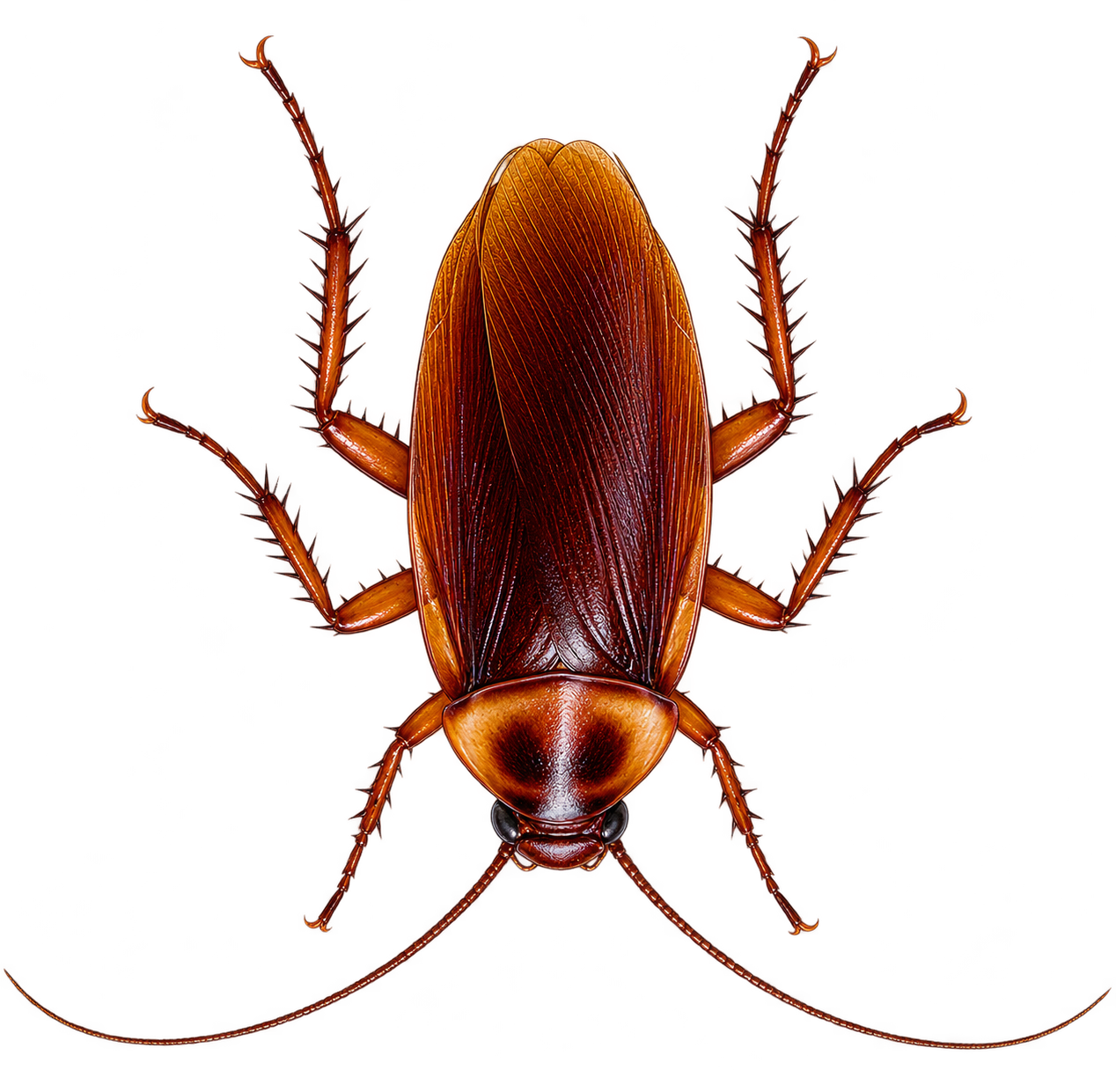
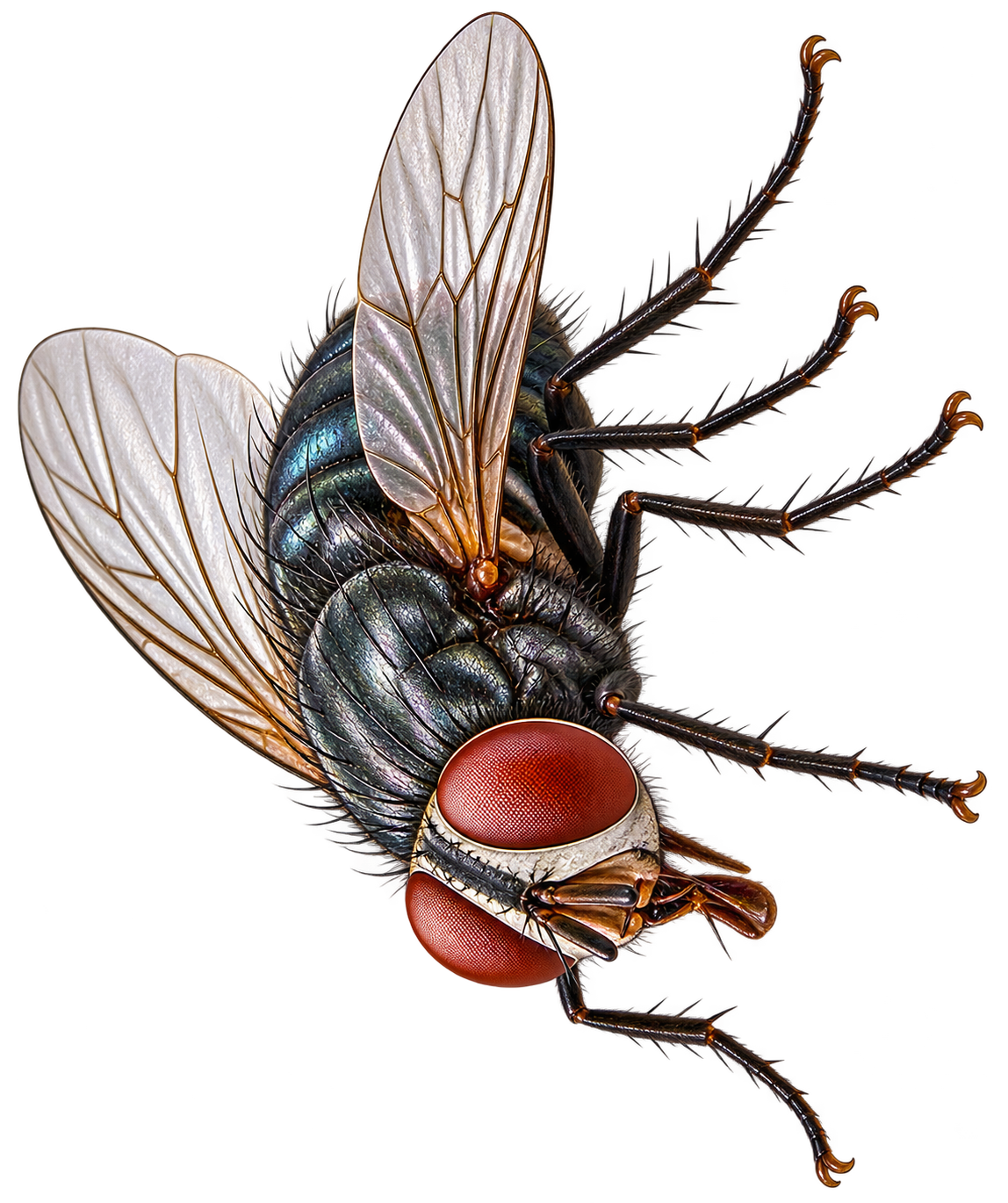
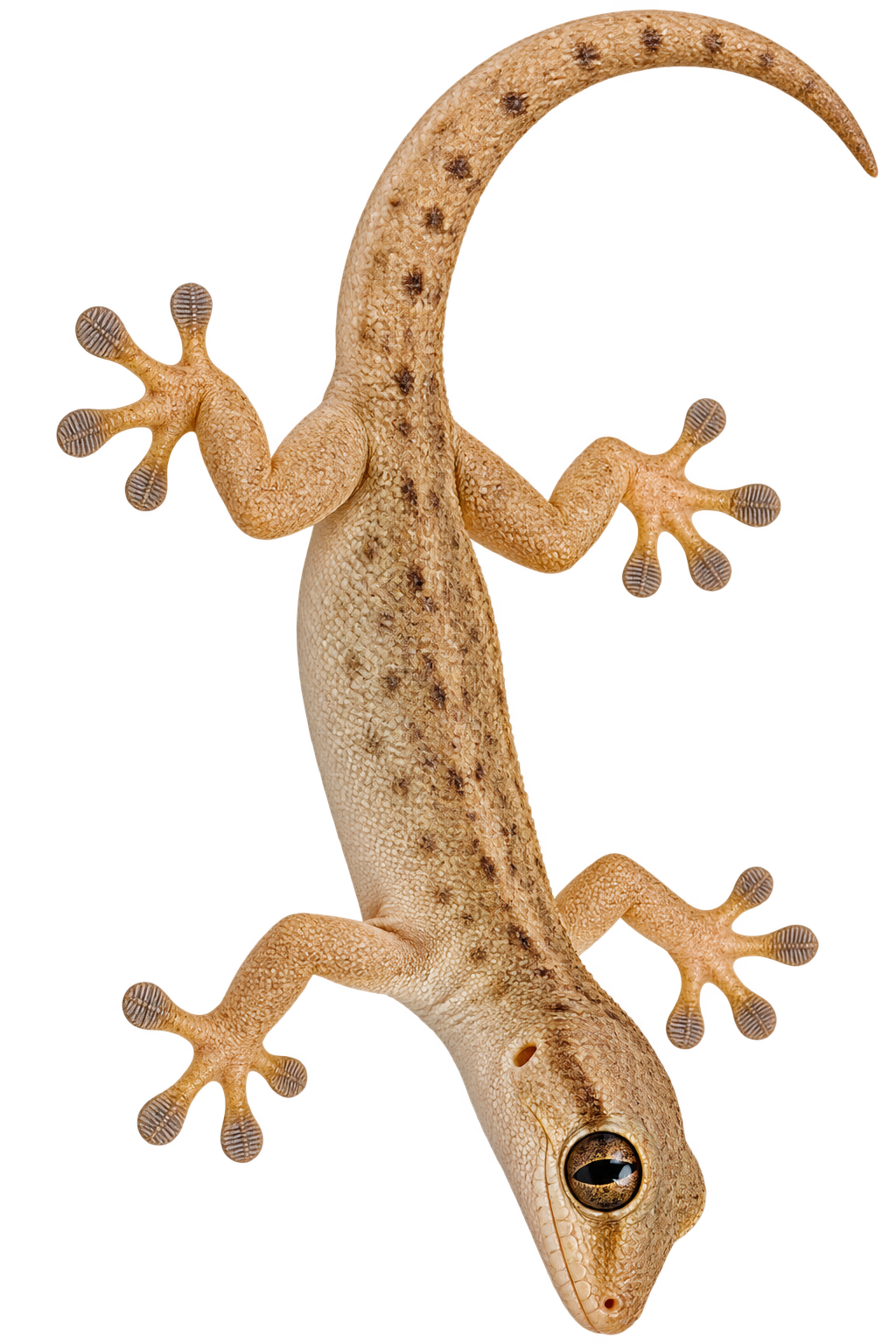
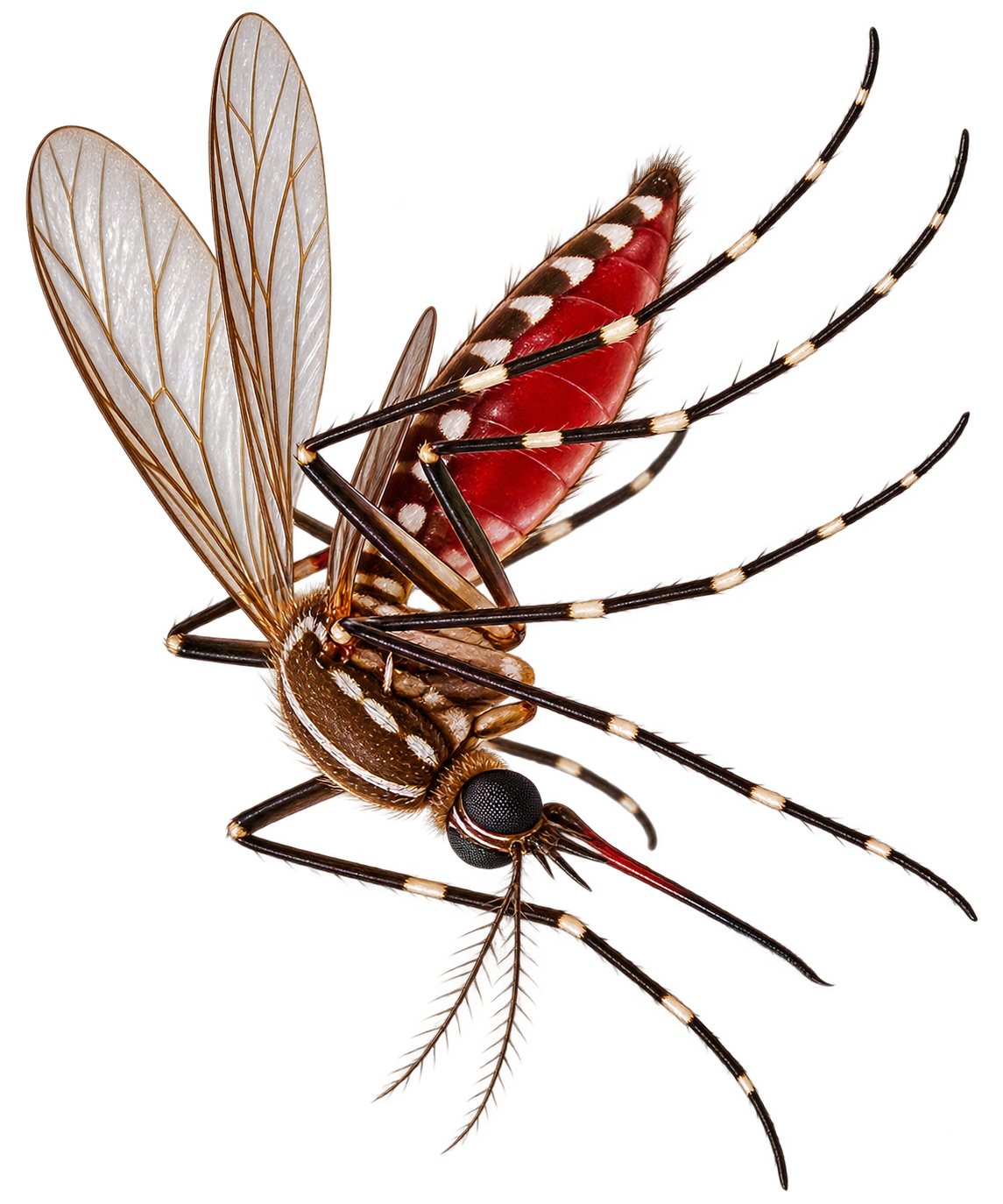
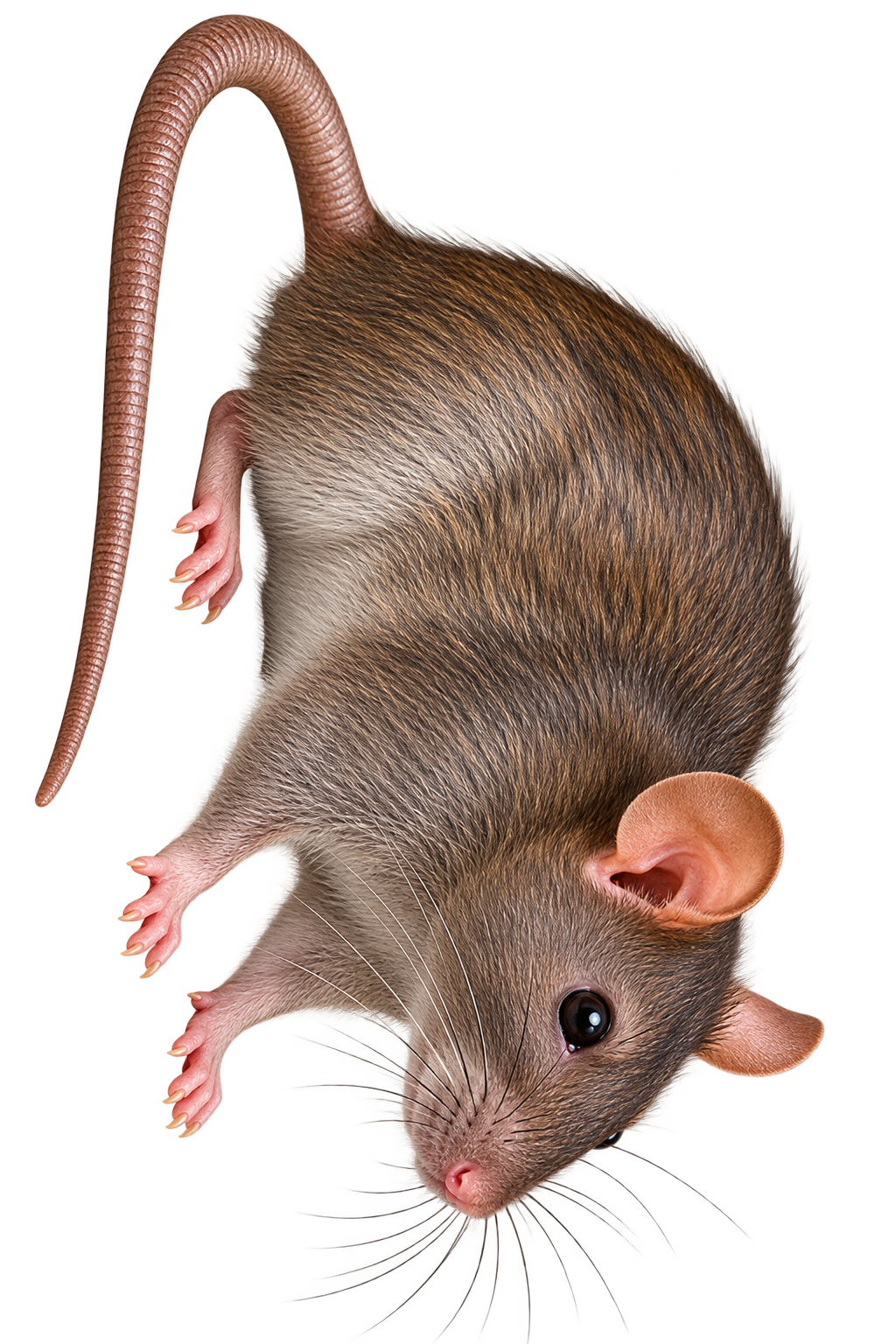
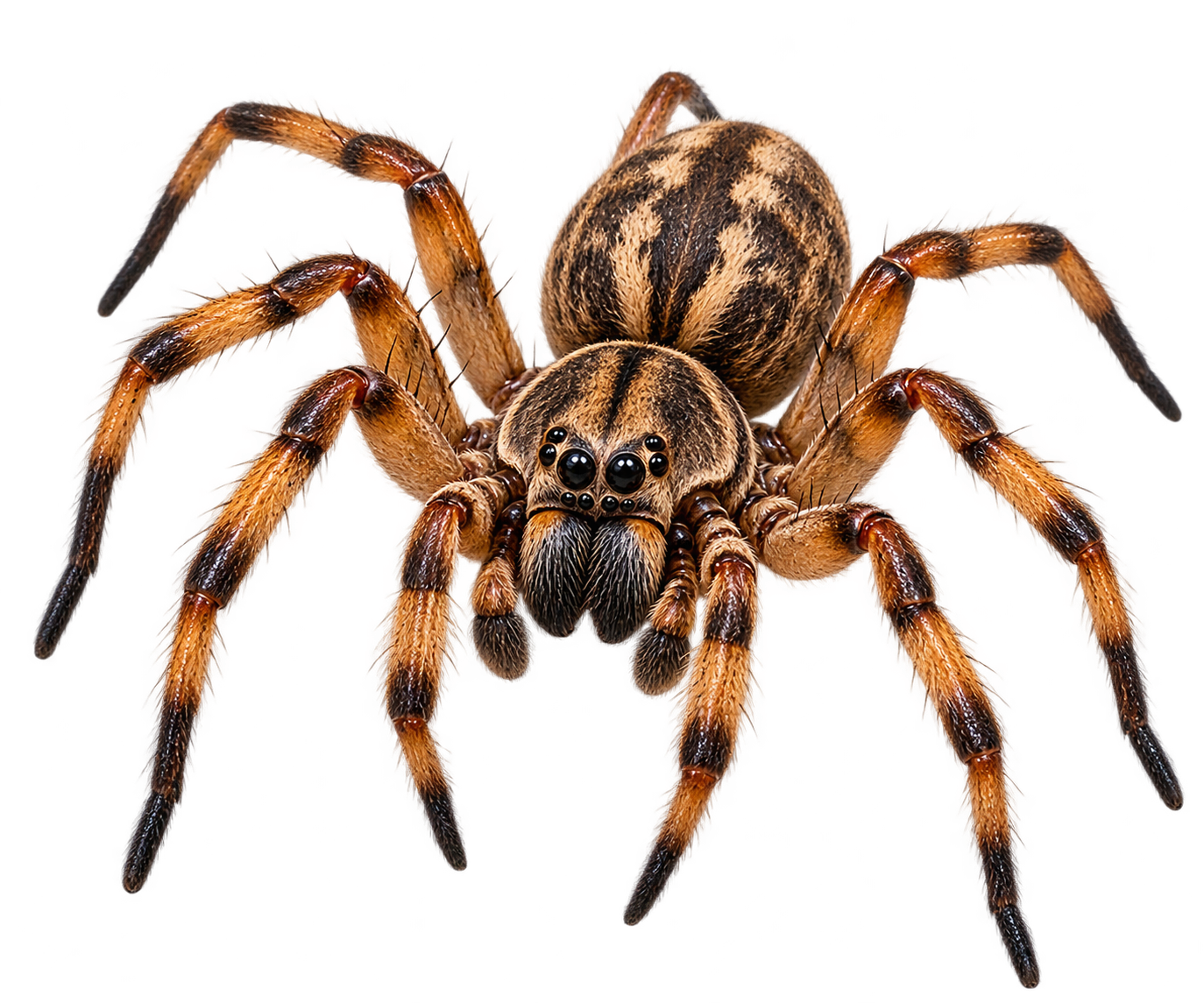
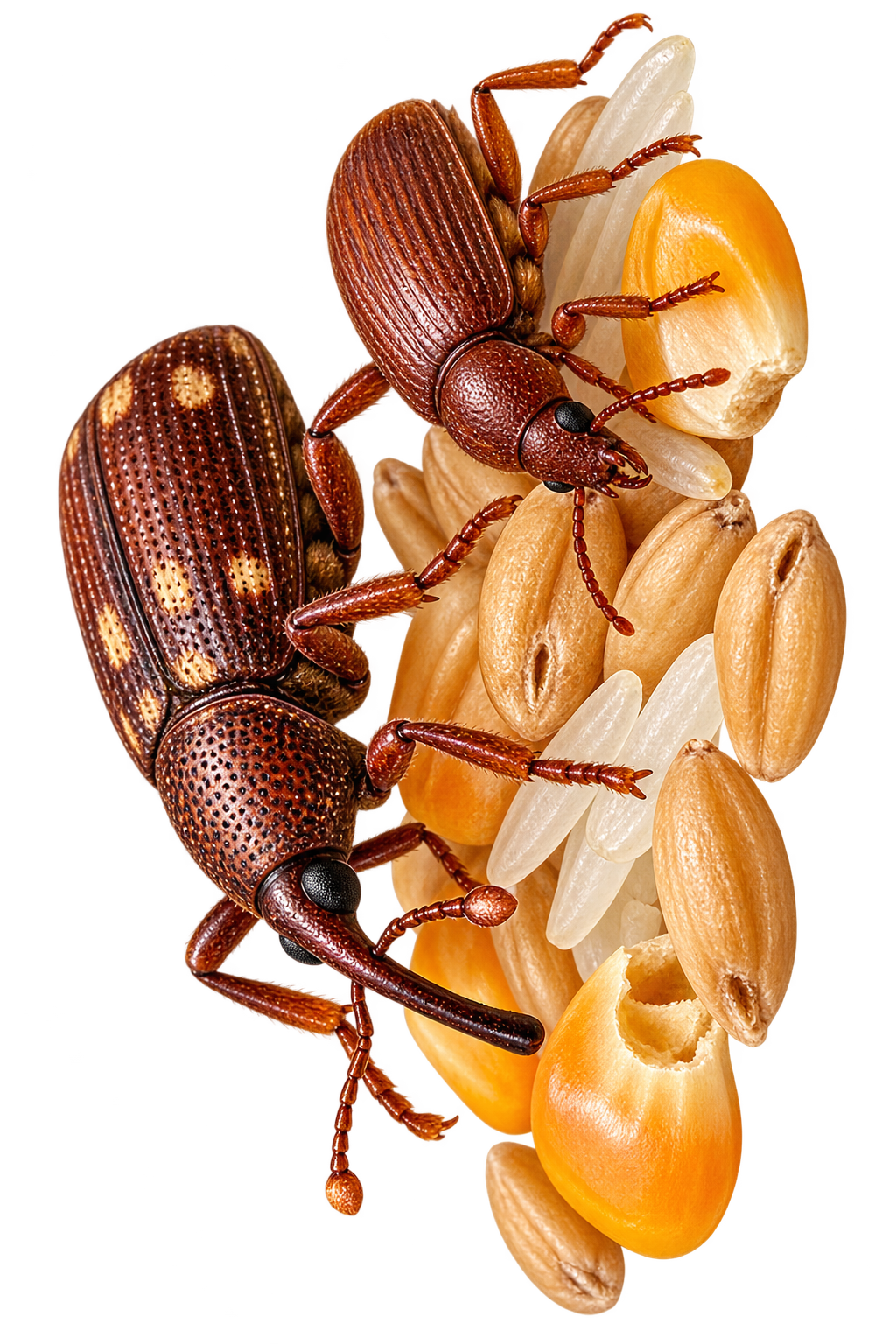
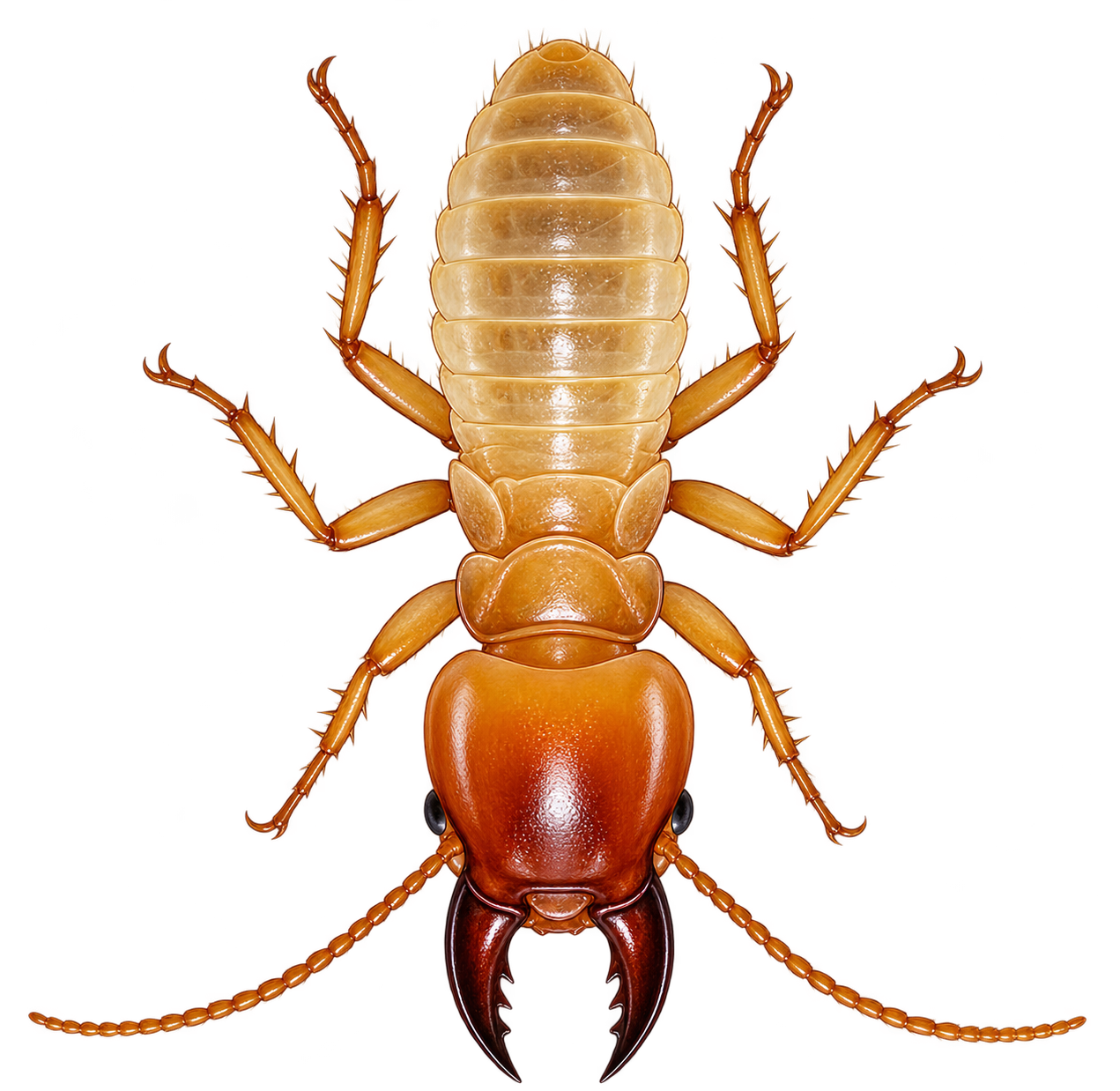
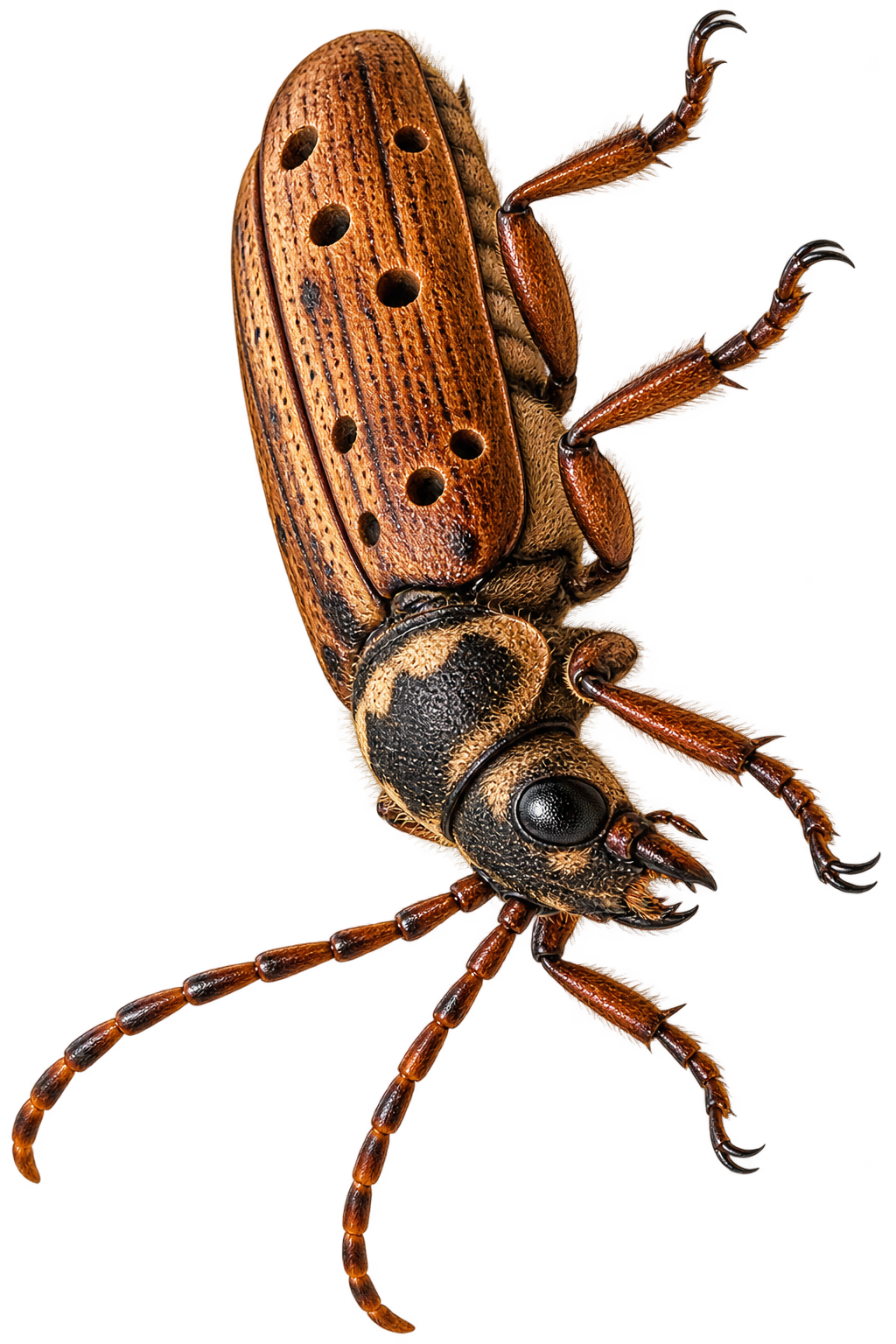
Depending on the facility, pest concerns may include crawling insects, flying insects, rodents, stored-product pests, termites, and other site-specific pests.
We examine relevant production, storage, packaging, utility, waste, receiving, and external areas to understand the site and identify potential risk conditions.
Findings are evaluated to identify potential pest entry routes, harbourage conditions, moisture sources, sanitation-related risks, and areas requiring greater attention.
Where appropriate, recommendations may address housekeeping, waste management, storage practices, drainage, structural gaps, door management, and external conditions.
Appropriate monitoring and inspection practices help identify pest activity and changes in risk conditions over time.
Where pest activity is identified, appropriate control measures can be implemented according to the pest, location, site conditions, and operational requirements.
Service findings, observations, recommendations, and follow-up requirements can be reviewed to support ongoing improvement.
Programs are developed around food-processing operations, facility layout, products handled, storage conditions, and identified pest risks.
We look for contributing conditions rather than depending only on reactive treatment.
Regular inspections and monitoring can help identify changes in pest activity and highlight areas requiring attention.
Service observations, treatment information, recommendations, and follow-up requirements can be documented according to the agreed program.
Service activities can be planned with consideration for production schedules, cleaning, access requirements, and facility operations.
AMC programs can provide scheduled inspections, preventive management, monitoring, targeted control, follow-up, and periodic program review.
Call Now
Mail Id
Visit office