Address
Flat No. I-3, Rupchandr Complex, B-Wing,
3rd Floor, Next To Surana Complex, Aurangpura

Flat No. I-3, Rupchandr Complex, B-Wing,
3rd Floor, Next To Surana Complex, Aurangpura

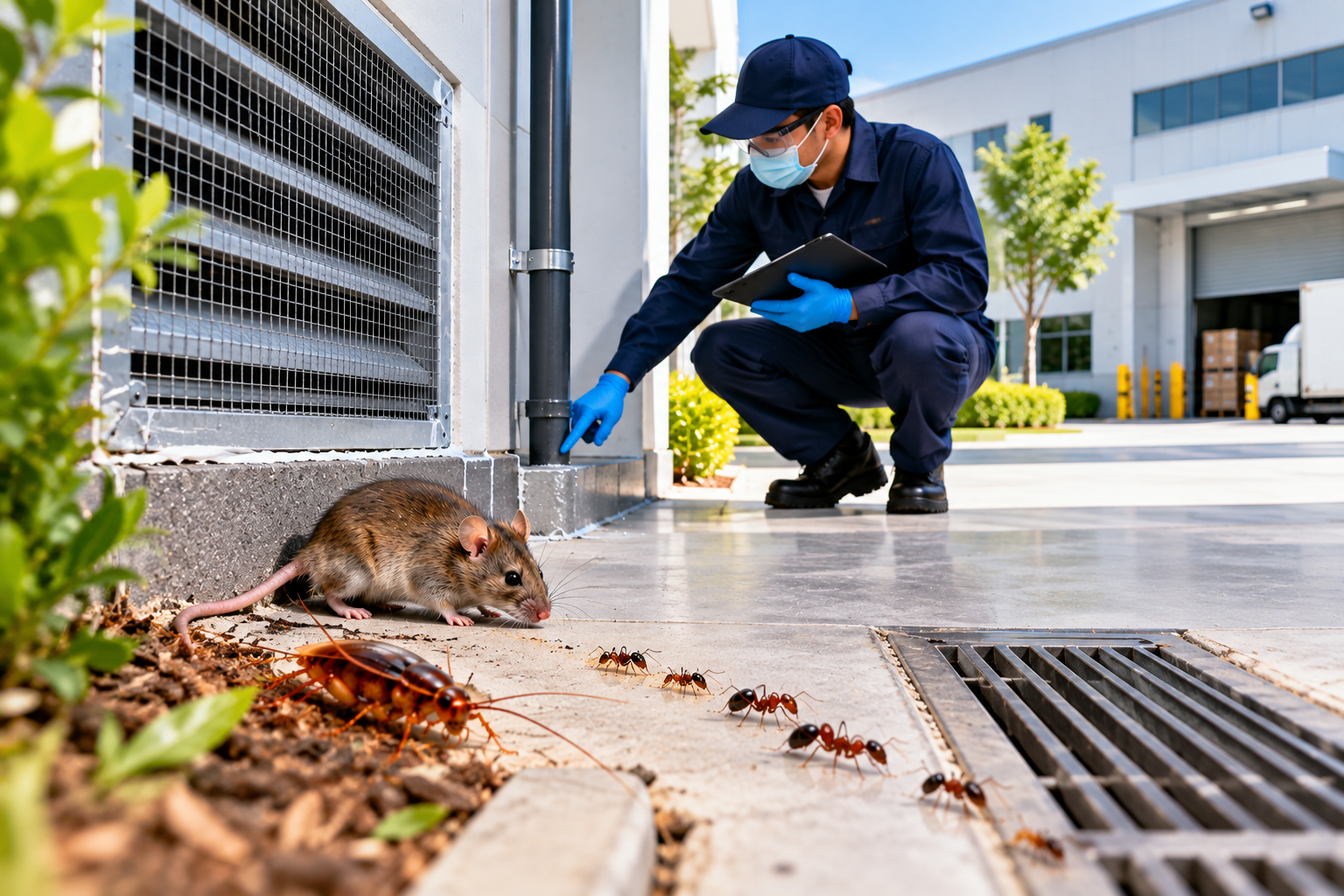
Effective pest management begins before pest activity becomes a major problem. Small gaps in building structures, unmanaged waste, moisture accumulation, poor storage practices, and overlooked entry points can create conditions that encourage pests to settle and spread.
At 24×7 Pest Management Services, we help residential, commercial, and industrial facilities identify potential pest risks and implement practical preventive measures. Our approach combines site assessment, environmental observations, risk-based recommendations, and ongoing monitoring to support a more controlled facility environment.
Inspecting potential entry points, gaps, cracks, and areas around doors, windows, and service penetrations.
Appropriate waste collection, storage, and disposal practices help reduce potential food sources and pest-attracting conditions.
Identifying standing water, persistent dampness, drainage concerns, and other moisture-related conditions.
Reviewing storage practices, incoming materials, clutter, and areas where items remain undisturbed.
Observing waste collection, disposal practices, food residues, and the condition of service areas.
Considering vegetation, perimeter conditions, adjoining areas, and possible sources of pest activity.
Unsealed openings, damaged screens, gaps around utility lines, and poorly fitted doors may provide routes into buildings.
Leaks, condensation, stagnant water, and damp service areas can create favourable conditions for certain pests.
Cluttered corners, infrequently moved materials, and poorly organised storage can make early signs of pest activity harder to notice.
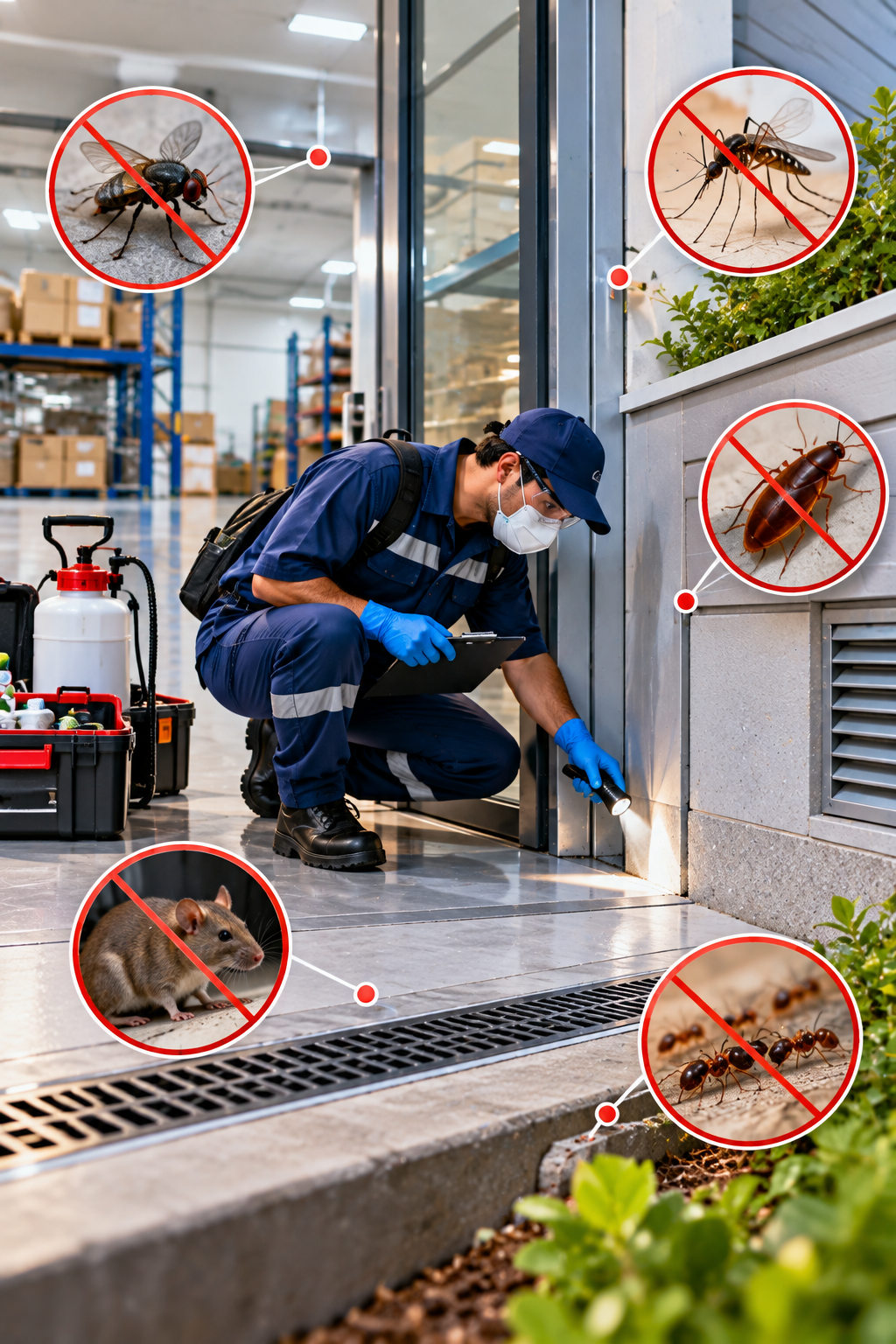
Accumulated waste, spills, uncovered bins, and inconsistent disposal practices may attract pests and support their continued presence.
Construction, seasonal weather, landscaping changes, and neighbouring activity can influence pest pressure around a facility.
Review of waste collection points, disposal areas, loading spaces, and supporting infrastructure.
Review the premises, operational activities, and conditions that may contribute to pest activity.
Identify areas requiring attention based on observed conditions and potential impact.
Recommend suitable housekeeping, storage, exclusion, moisture-management, and waste-handling measures.
Use appropriate inspection and monitoring methods to observe pest activity and changing risk conditions.
Reassess findings and adjust preventive recommendations when site conditions or operational needs change.
Call Now
Mail Id
Visit office