Address
Flat No. I-3, Rupchandr Complex, B-Wing,
3rd Floor, Next To Surana Complex, Aurangpura
Flat No. I-3, Rupchandr Complex, B-Wing,
3rd Floor, Next To Surana Complex, Aurangpura

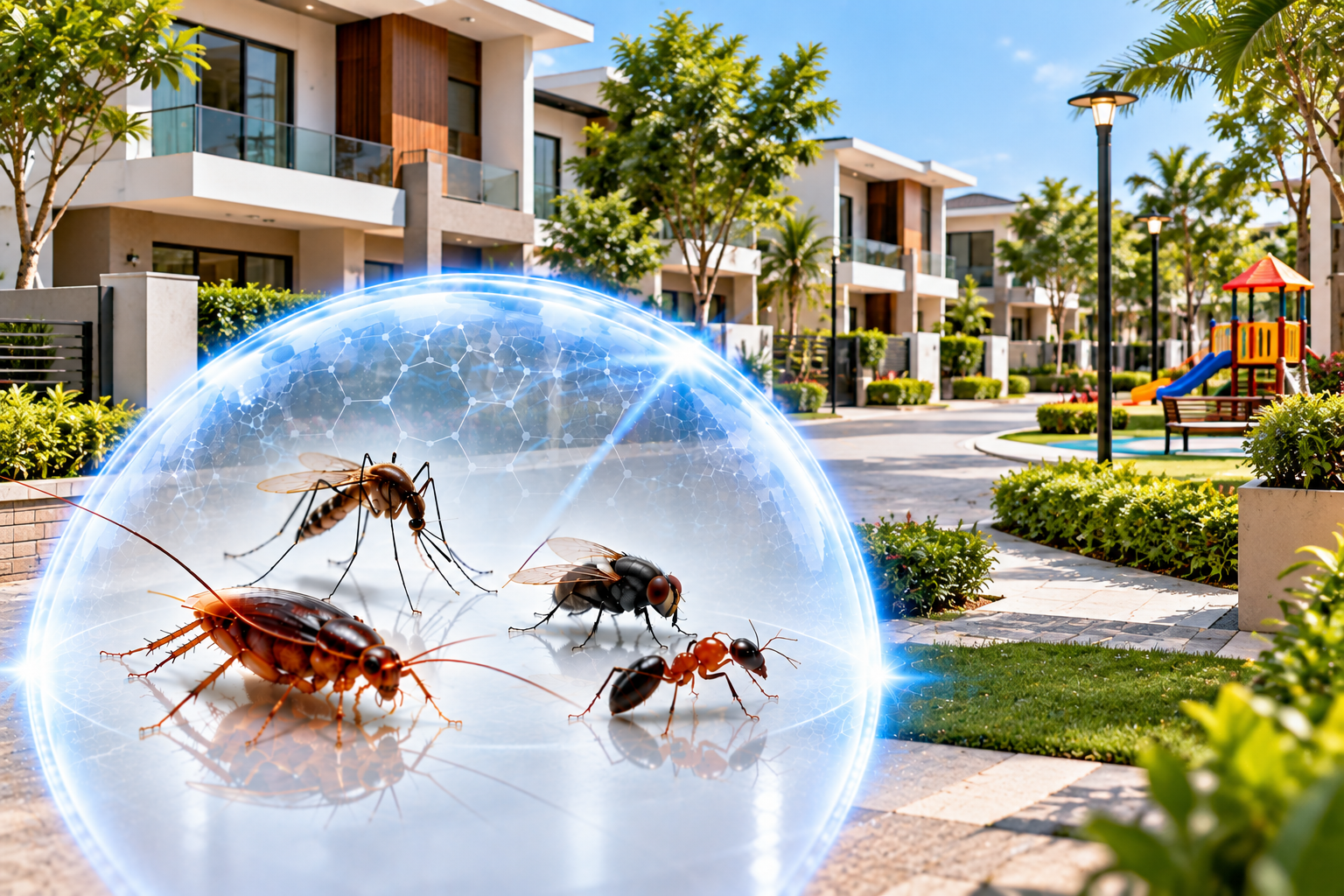
Residential communities bring together homes, families, shared facilities, landscaped areas, parking, waste-management systems, water infrastructure, and common spaces within one connected environment.
Because pests can move between individual properties and shared areas, managing them effectively often requires a community-wide approach rather than isolated treatment.
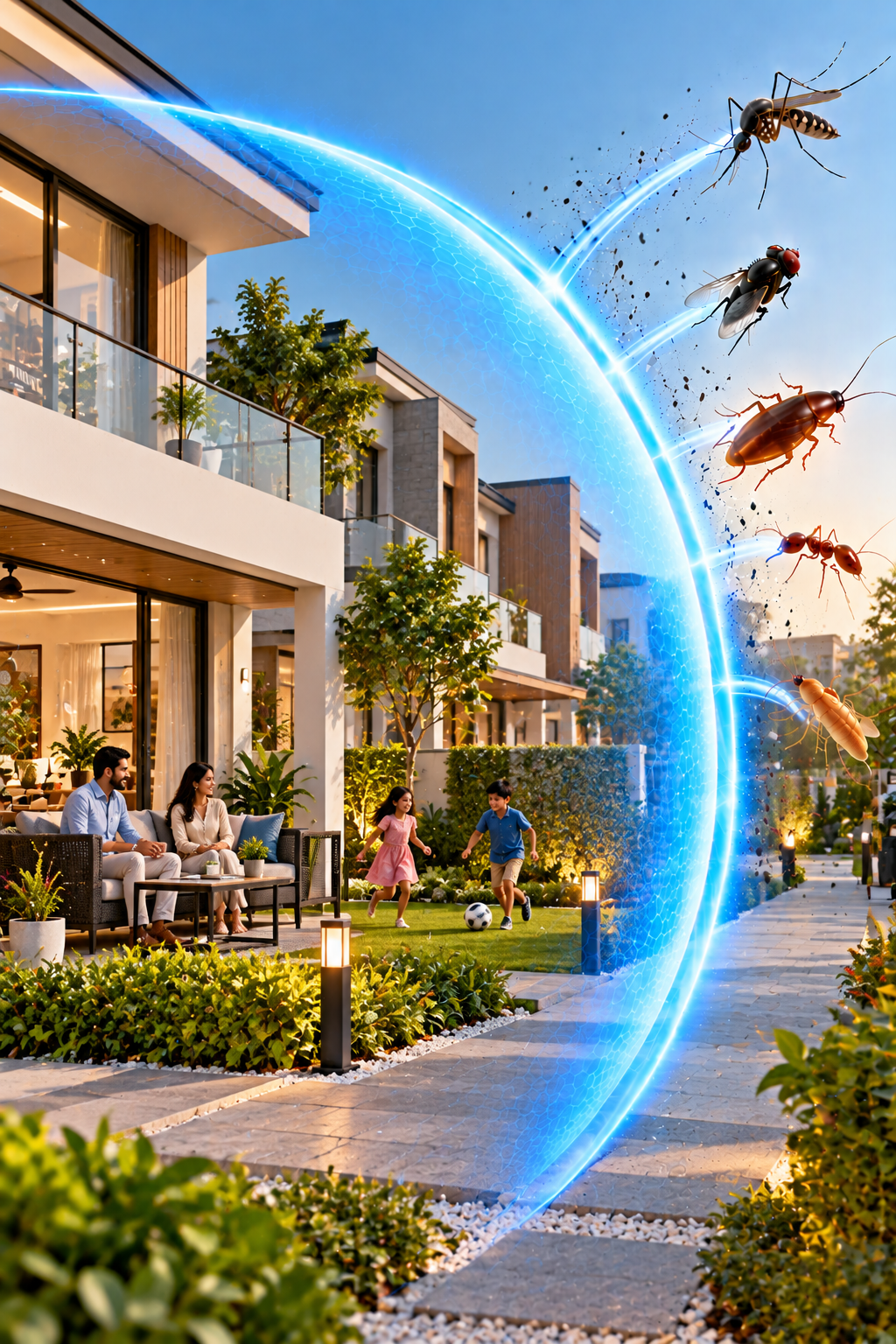
24×7 Pest Management Services provides customized pest-management programs for housing societies, apartment complexes, gated communities, residential townships, and other shared living environments, with a focus on prevention, monitoring, targeted control, and long-term community protection.
A Residential Community Works as One Connected Environment
Pest activity in a residential community can originate in a home, common facility, waste area, drainage system, garden, parking area, or building perimeter and potentially affect surrounding spaces.
Apartment Complexes
Housing Societies
Gated Communities
Residential Townships
Condominium Communities
Villa Communities
High-Rise Residential Buildings
Staff Housing Communities
Mixed Residential Complexes
Residential Welfare Communities


Food residues, stored food, waste, and moisture can contribute to insect and rodent activity.
Poorly managed waste, collection points, organic waste, and surrounding conditions can increase pest pressure.
Drains, plumbing, leaks, standing water, and damp areas can contribute to certain insect activity.
Dark, less-disturbed spaces, storage, vehicles, drainage, and service routes may require additional monitoring.
Pipelines, ducts, cable routes, shafts, utility openings, and structural gaps can provide potential movement routes.
Vegetation, gardens, lawns, irrigation, waste, and surrounding open land can influence pest activity.
Pest activity within one residence can sometimes be connected to neighbouring units or shared building conditions, making identification of the source important.
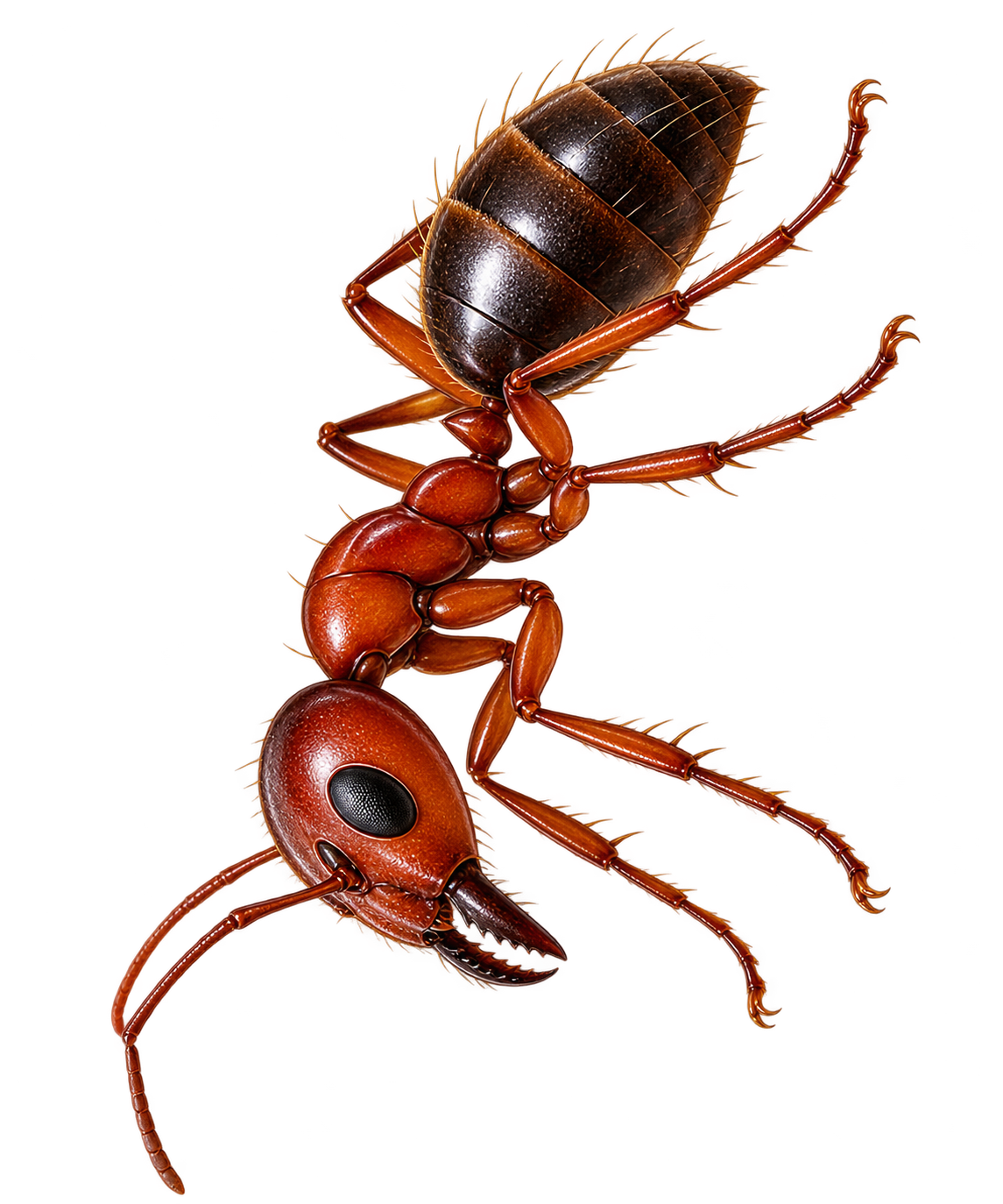
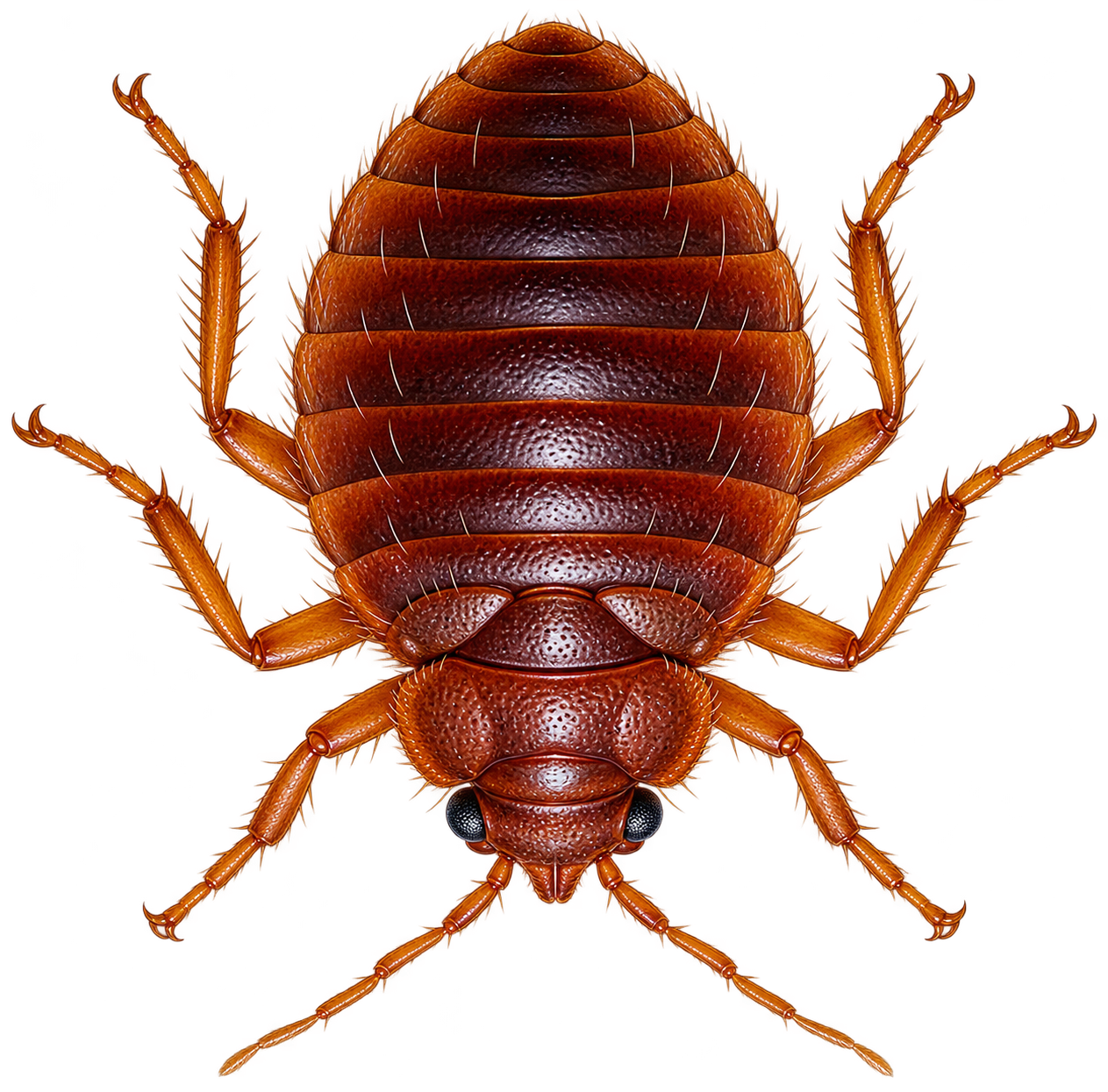
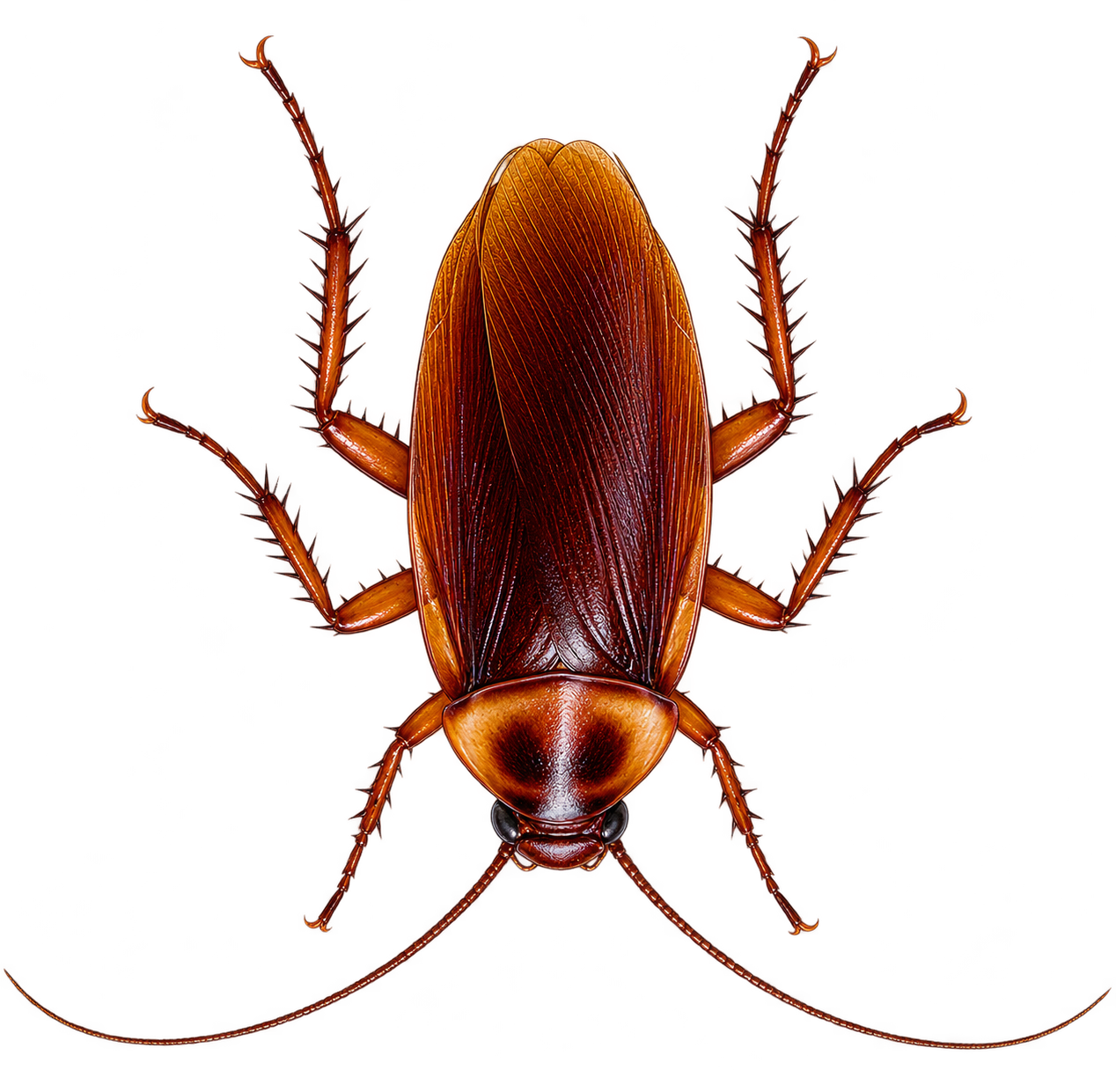
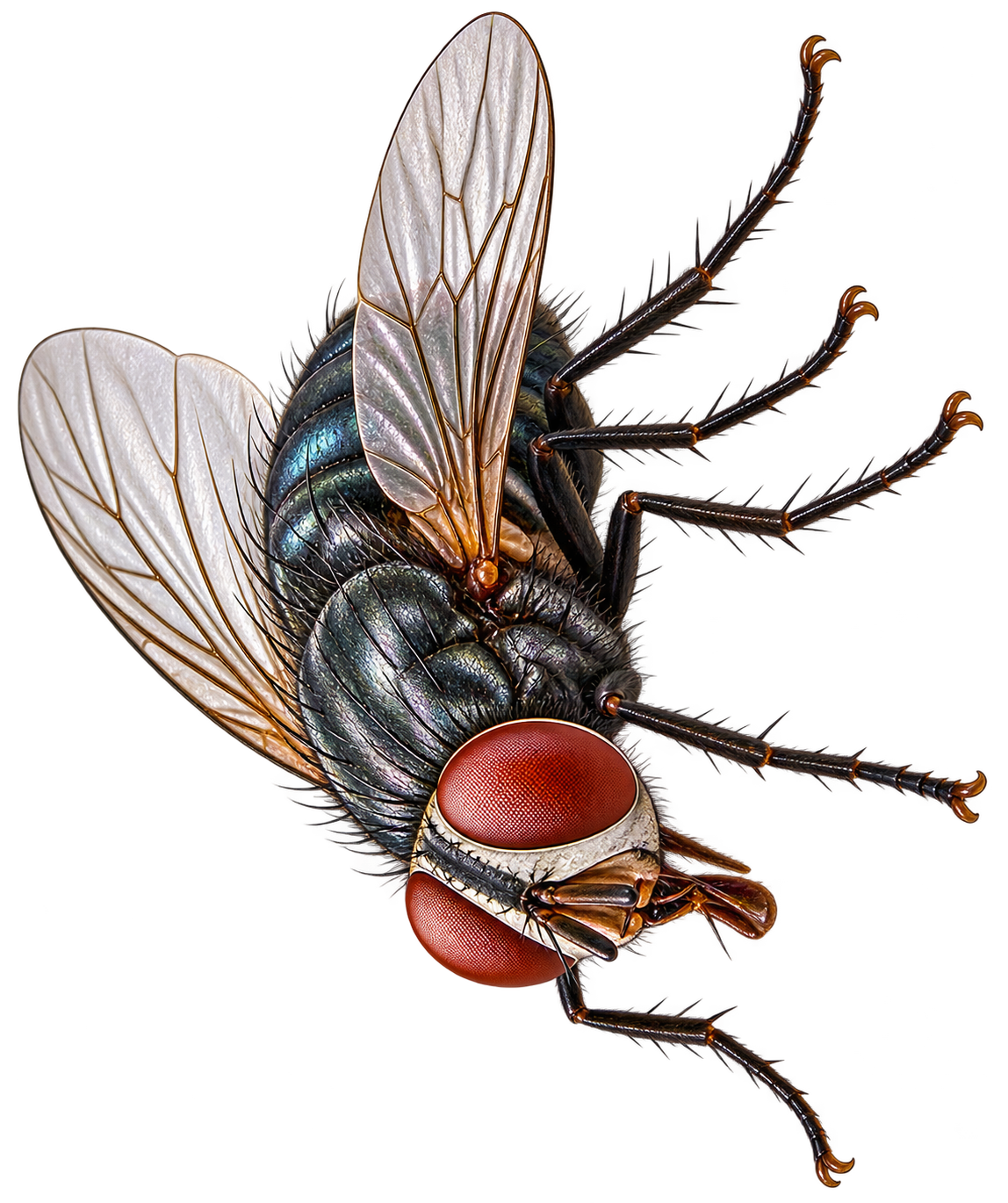
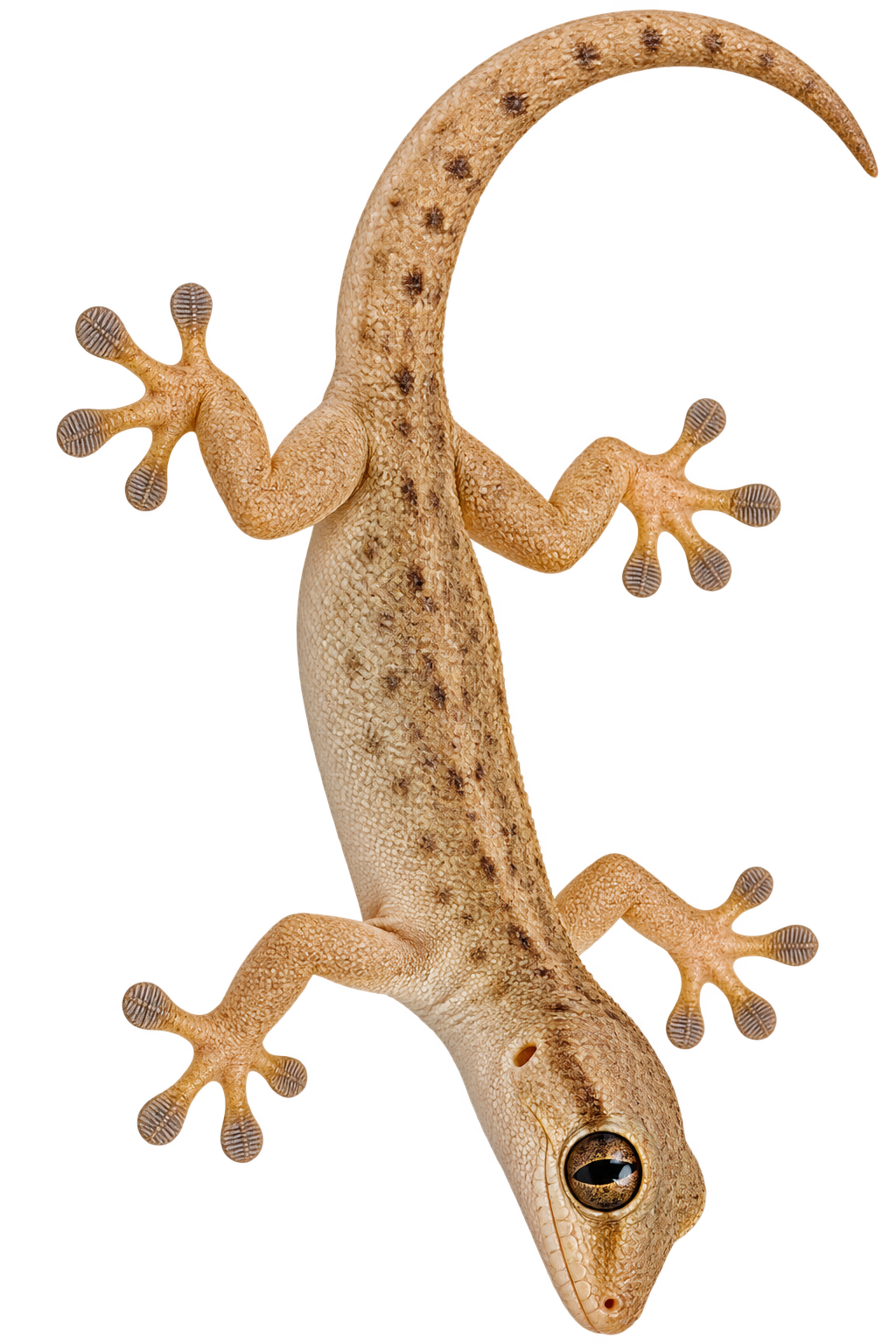
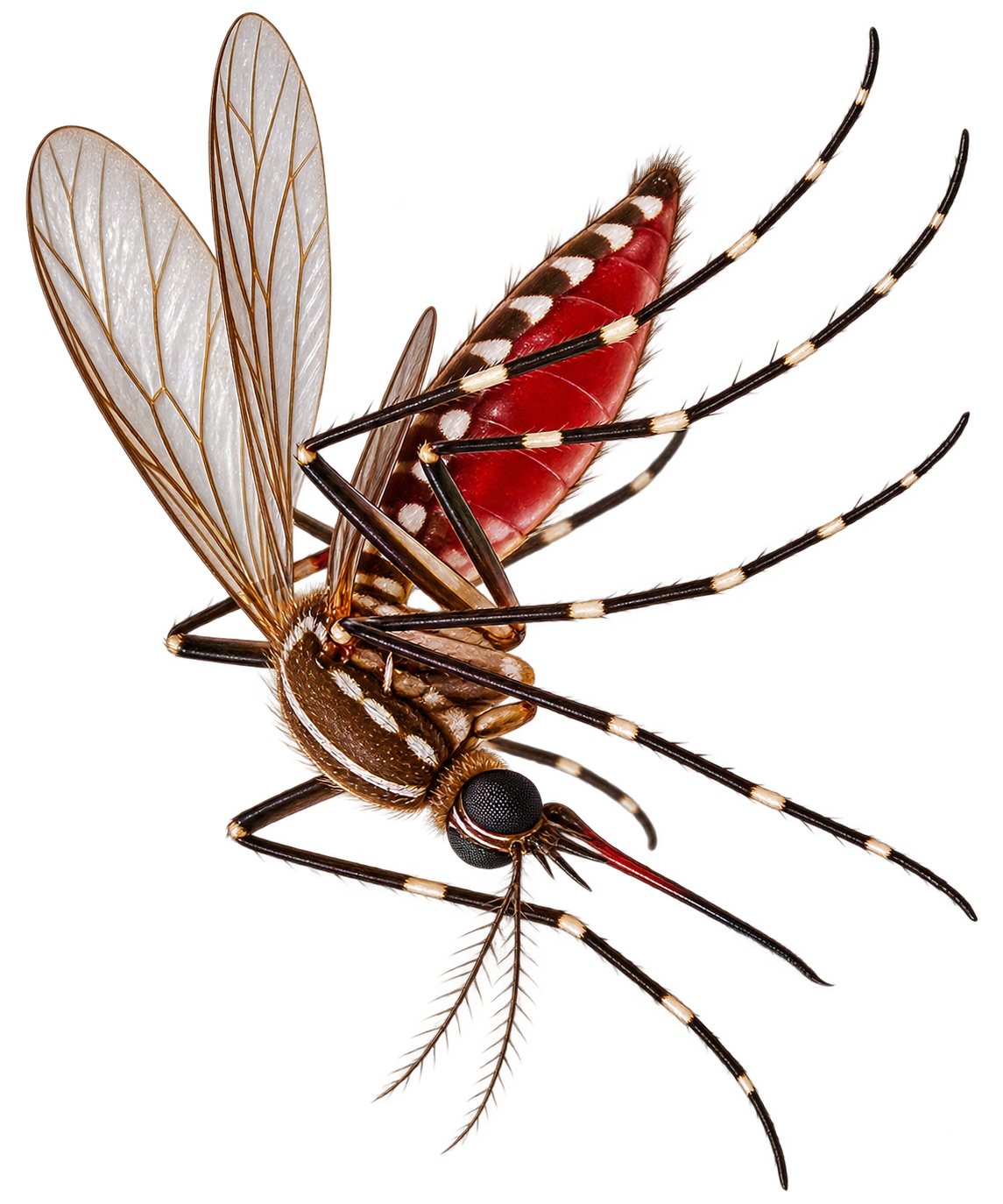
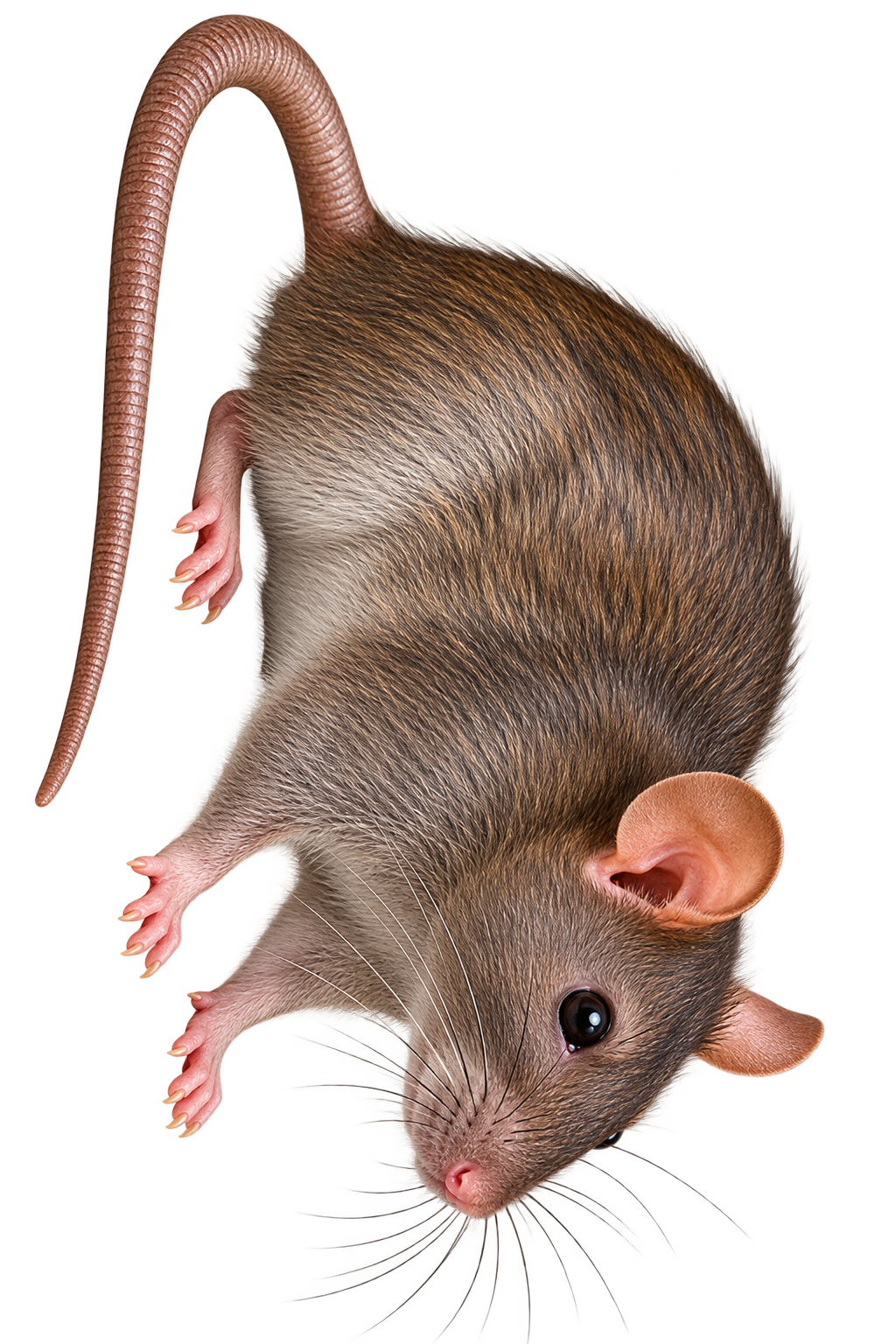
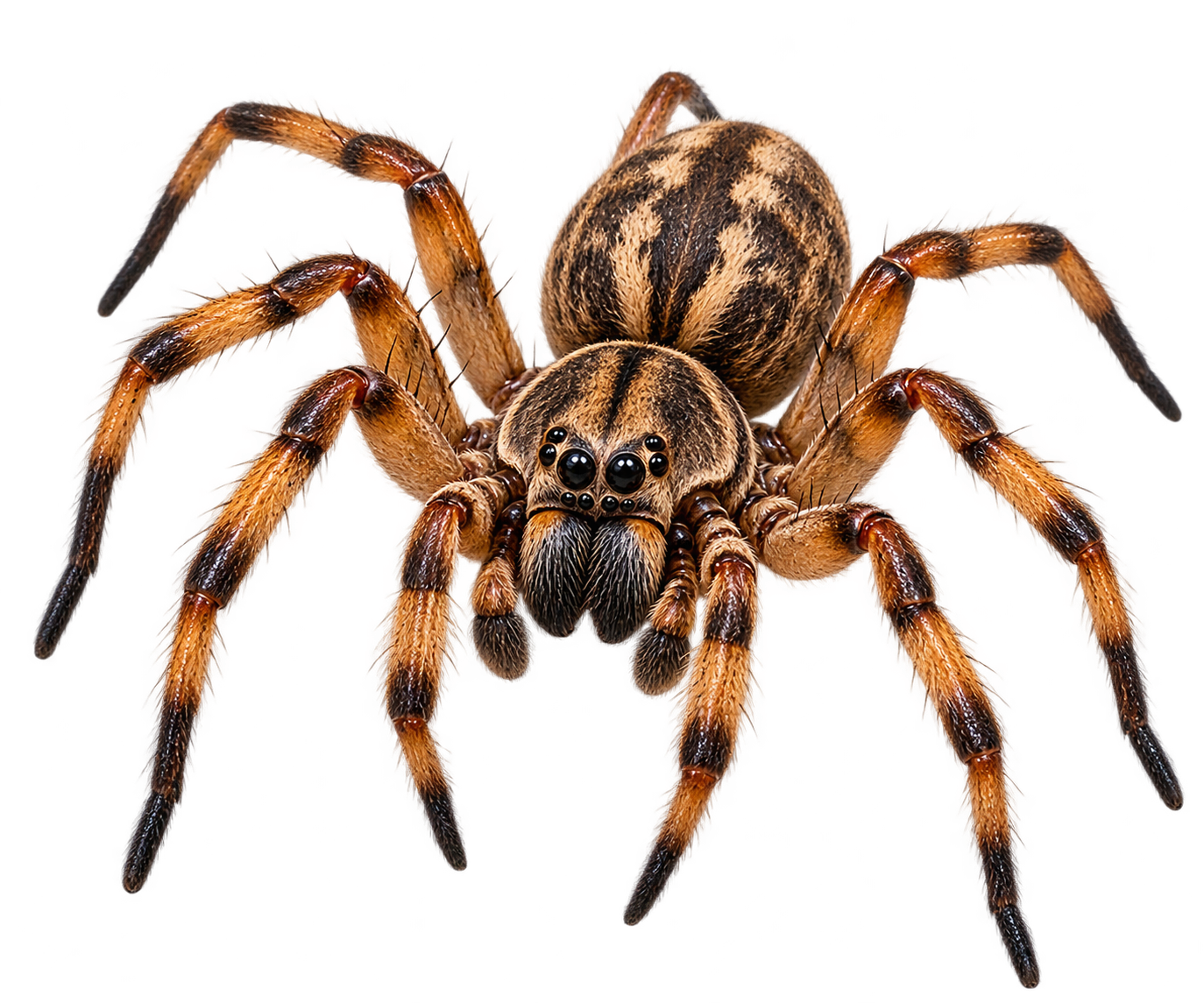
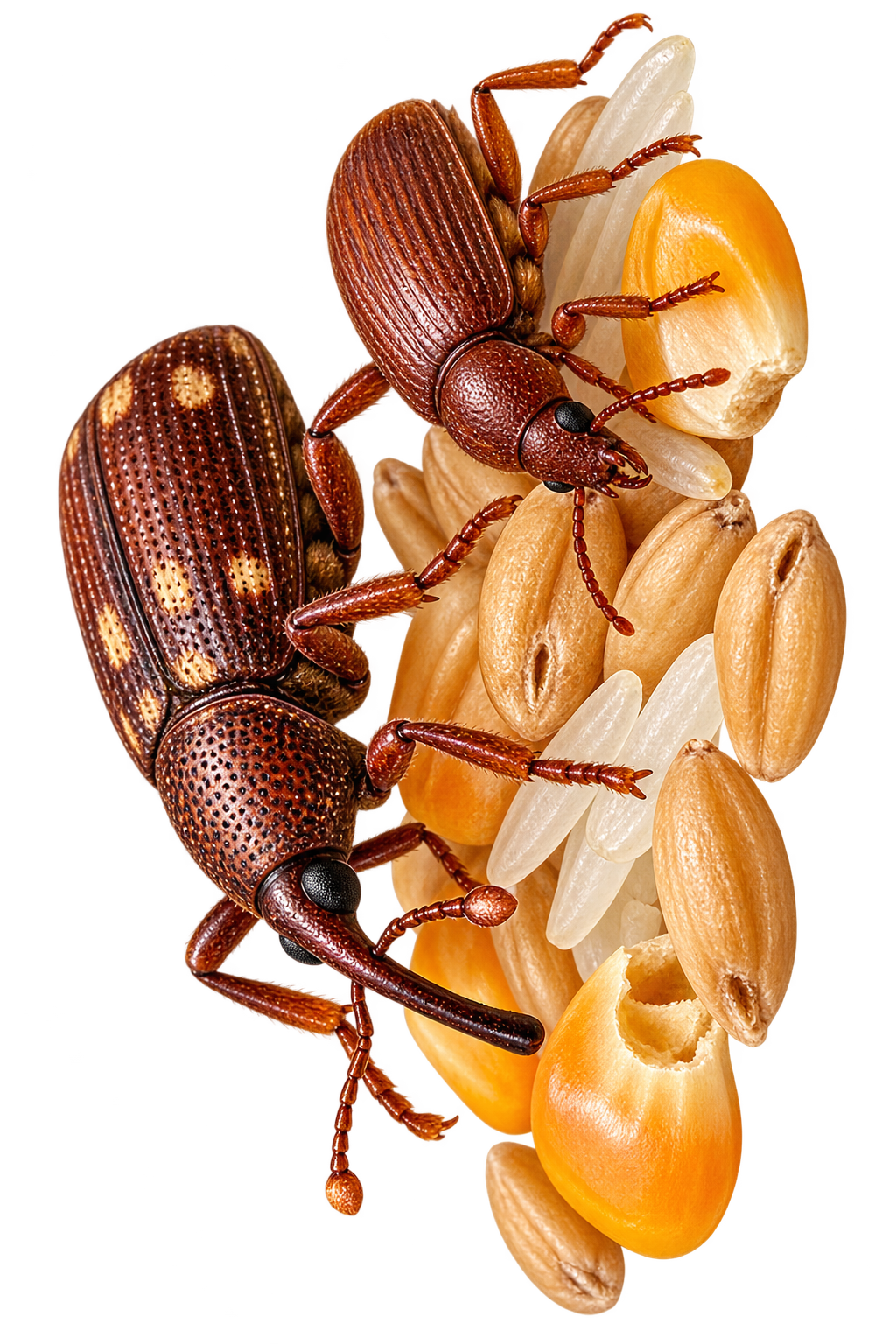
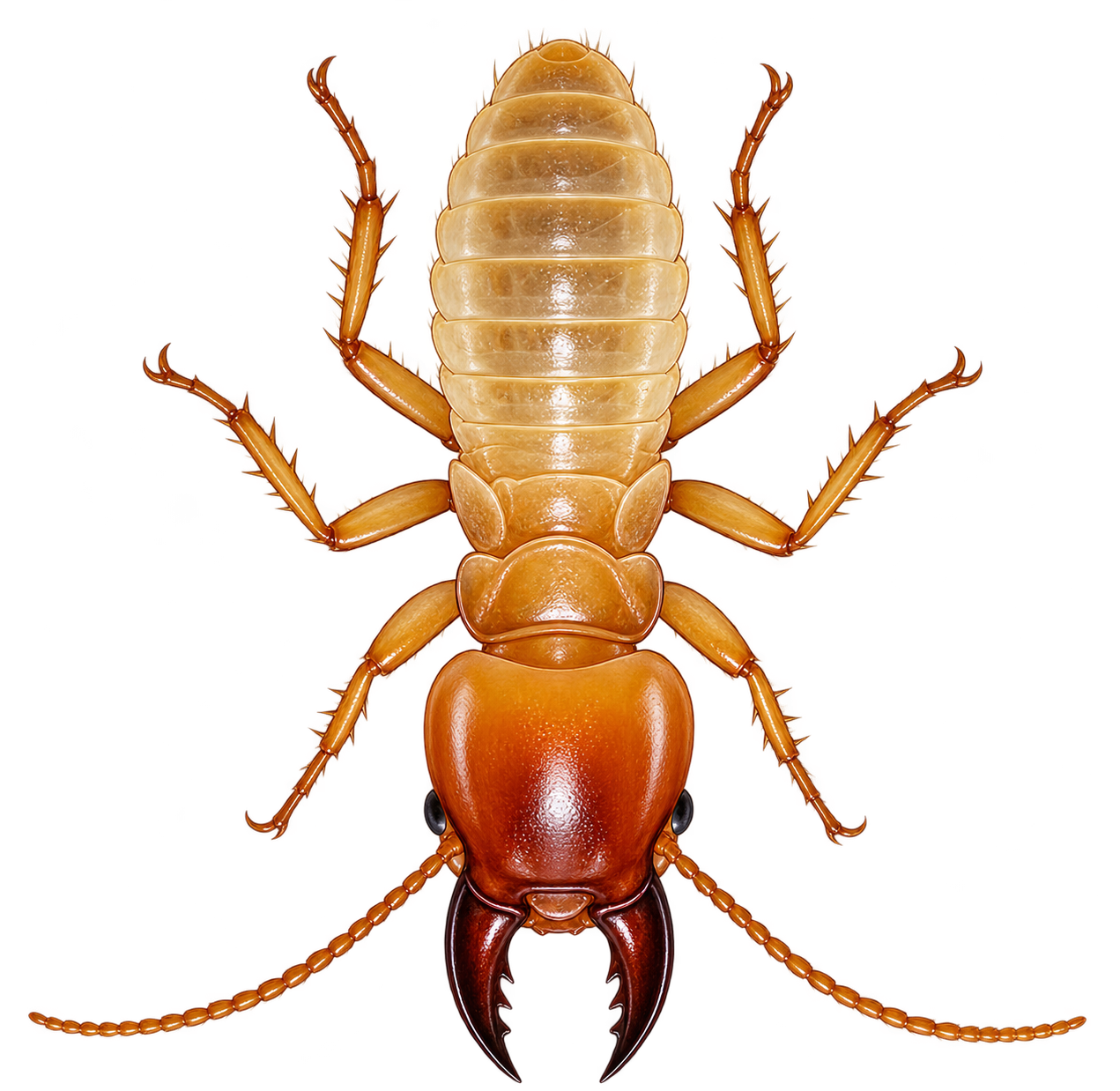
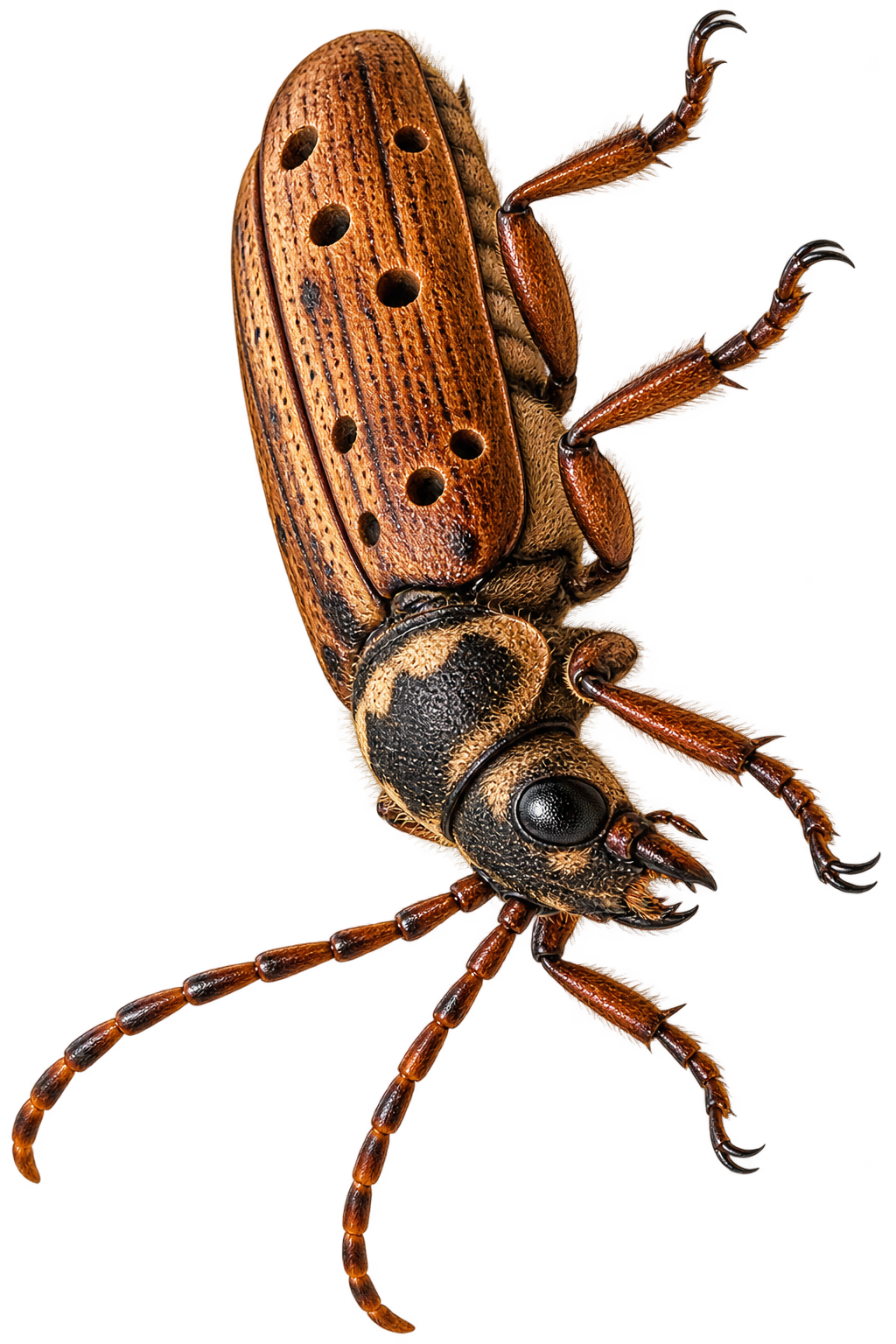
Depending on site conditions, concerns may include cockroaches, ants, rodents, mosquitoes, flies, termites, bed bugs, spiders, and other site-specific pests.
Assess residential buildings, common areas, waste locations, utilities, drainage, landscaping, parking, and external boundaries.
Identify pest activity and investigate potential entry points, harbourage, food sources, moisture, waste, and structural conditions.
Focus attention on areas where pest activity, resident exposure, infrastructure, or environmental conditions require greater attention.
Provide practical recommendations related to housekeeping, waste management, food storage, drainage, exclusion, storage, and landscaping.
Use suitable inspections and monitoring practices to identify activity and changes across the community.
Apply appropriate pest-management measures based on the pest, location, site conditions, and agreed service requirements.
Programs can be developed around the layout, infrastructure, facilities, occupancy, and pest-risk conditions of the community.
Lobbies, corridors, basements, parking, utilities, waste areas, gardens, and other shared facilities can be included according to the agreed scope.
We focus on identifying conditions that may contribute to recurring pest activity and provide practical recommendations where appropriate.
Where required, practical guidance can help residents understand housekeeping, food storage, waste management, moisture, and other factors that may influence pest activity.
Inspection observations, pest activity, treatment information, recommendations, and follow-up requirements can be documented as part of the agreed program.
Activities can be planned with society management, facility teams, maintenance schedules, resident access, and community operations.
Call Now
Mail Id
Visit office