Address
Flat No. I-3, Rupchandr Complex, B-Wing,
3rd Floor, Next To Surana Complex, Aurangpura

Flat No. I-3, Rupchandr Complex, B-Wing,
3rd Floor, Next To Surana Complex, Aurangpura

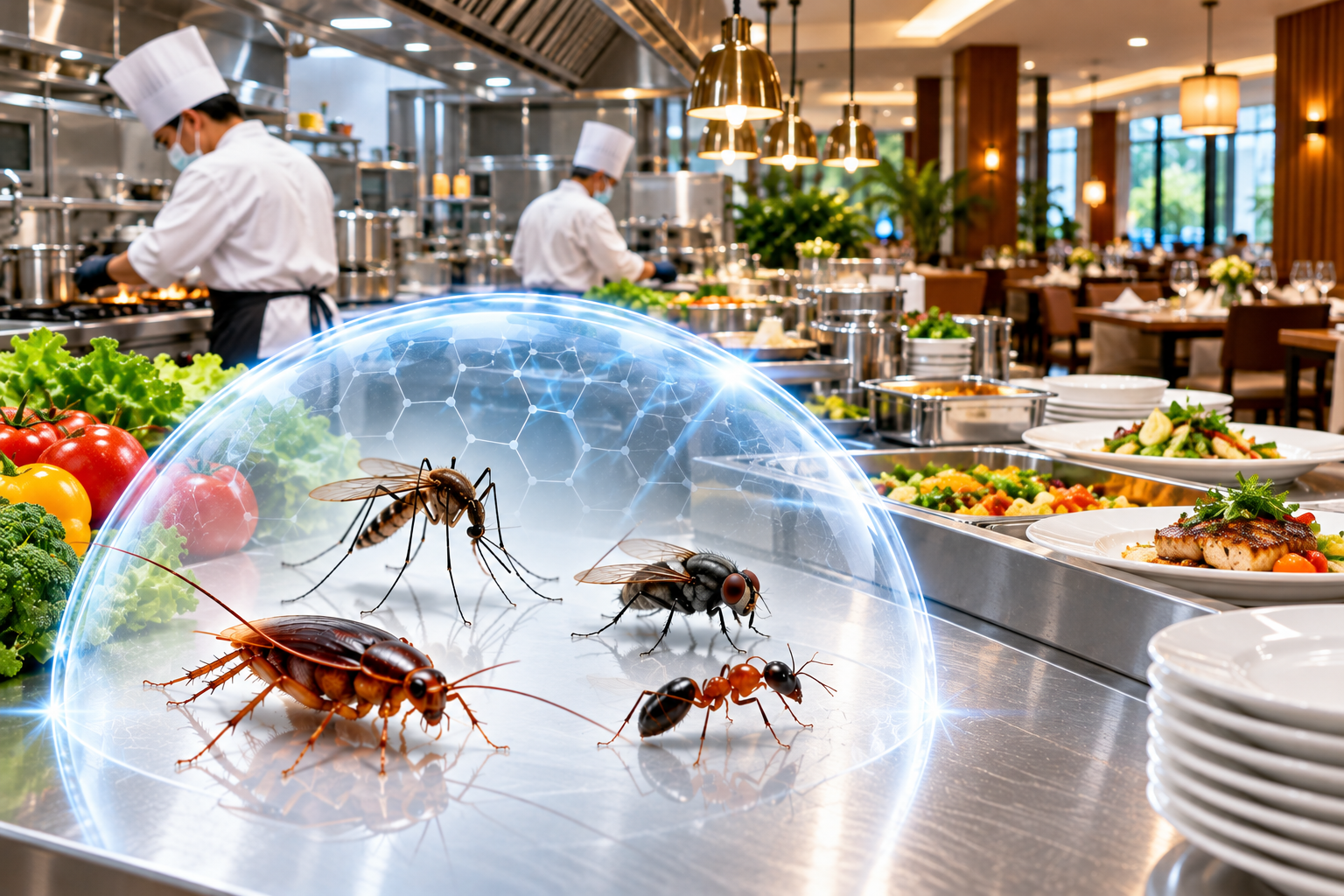
Hotels and restaurants operate in environments where cleanliness, comfort, food handling, housekeeping, storage, and customer experience come together every day.
A single pest sighting can create an unpleasant experience for guests and customers and may affect the reputation of the establishment. Effective pest management therefore needs to cover more than kitchens it should consider guest areas, dining spaces, rooms, storage, waste areas, utilities, and the surrounding property.
24×7 Pest Management Services provides customized pest-management programs for hotels, restaurants, cafés, resorts, and hospitality facilities, with a focus on prevention, discreet service, monitoring, targeted control, and ongoing protection.
Hotels and restaurants contain multiple environments operating simultaneously. Pest-management requirements can vary significantly between guest areas, food-service spaces, storage rooms, service areas, and external premises.
Hotels & Resorts
Restaurants
Cafés & Coffee Shops
Banquet & Event Facilities
Food Courts
Clubs & Hospitality Venues
Commercial Kitchens
Catering Facilities
Guest Houses
Service Apartments
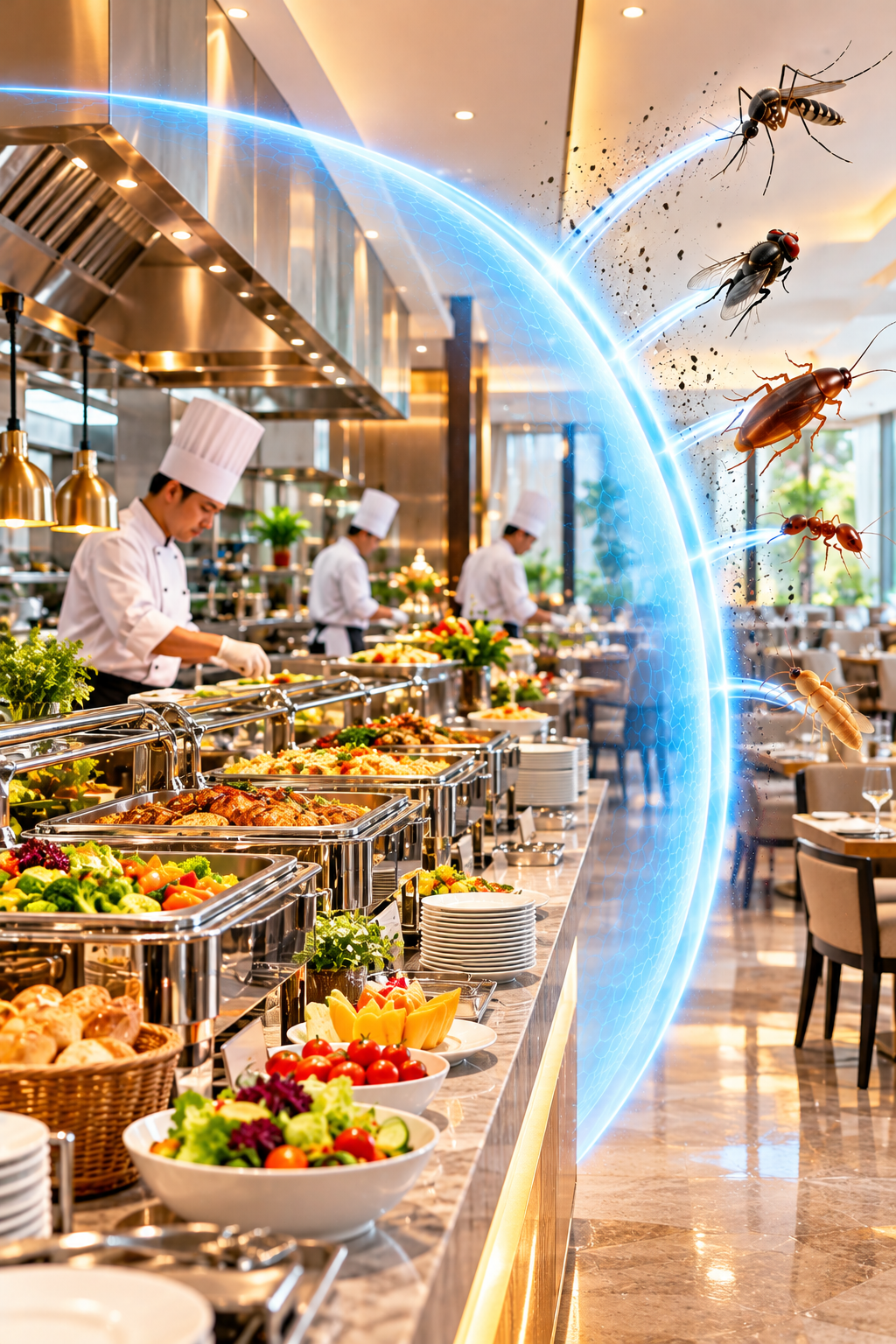


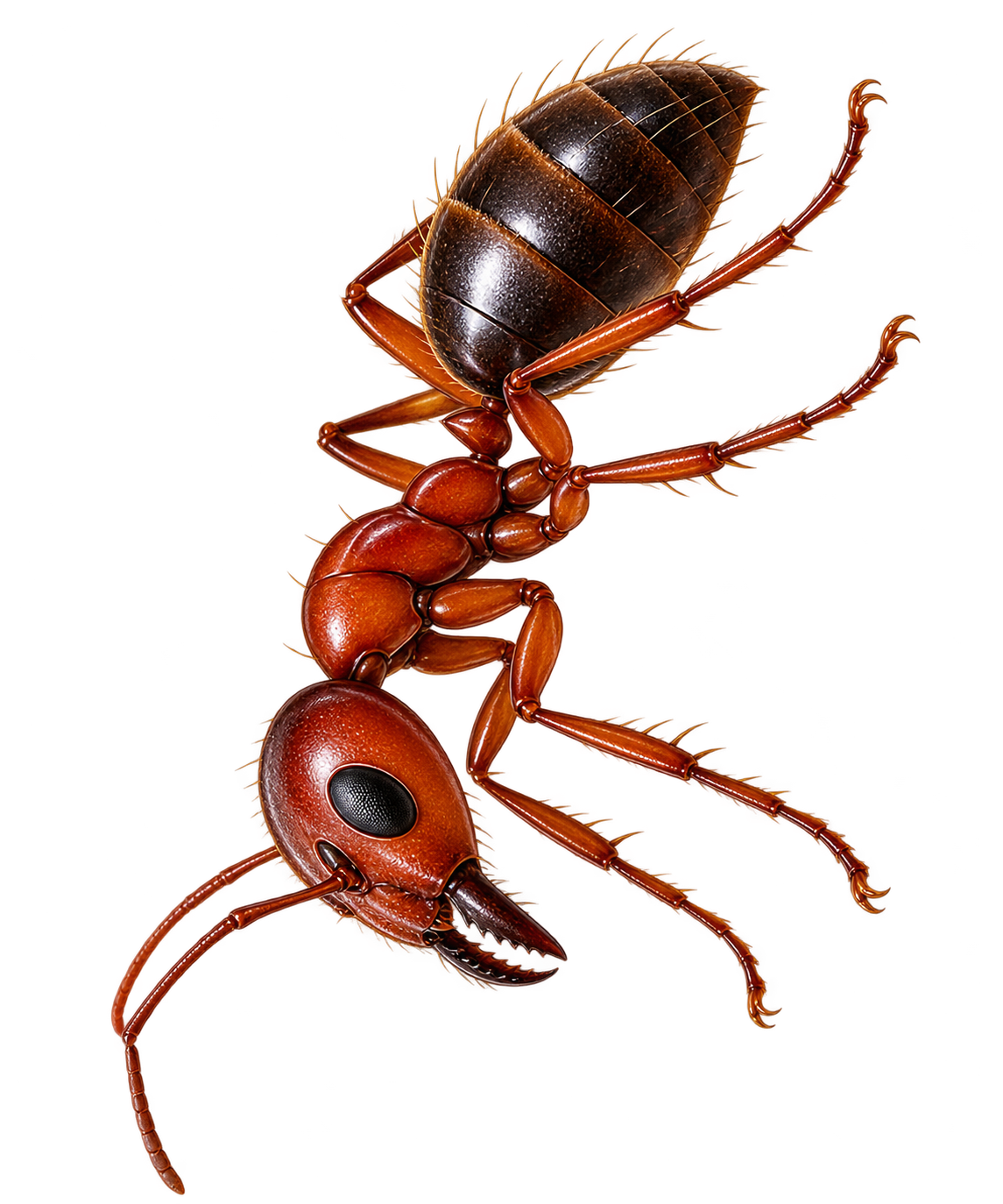
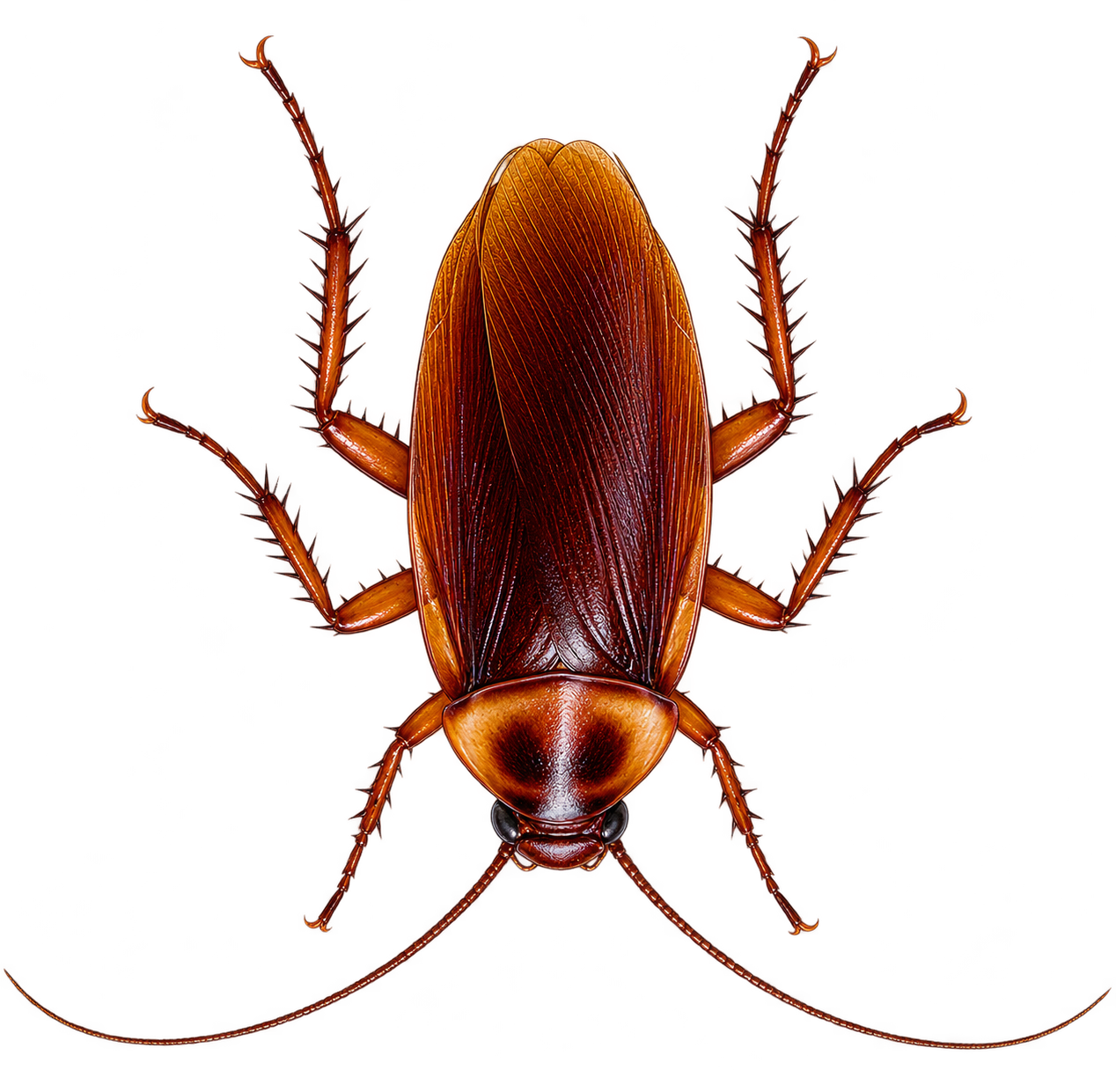
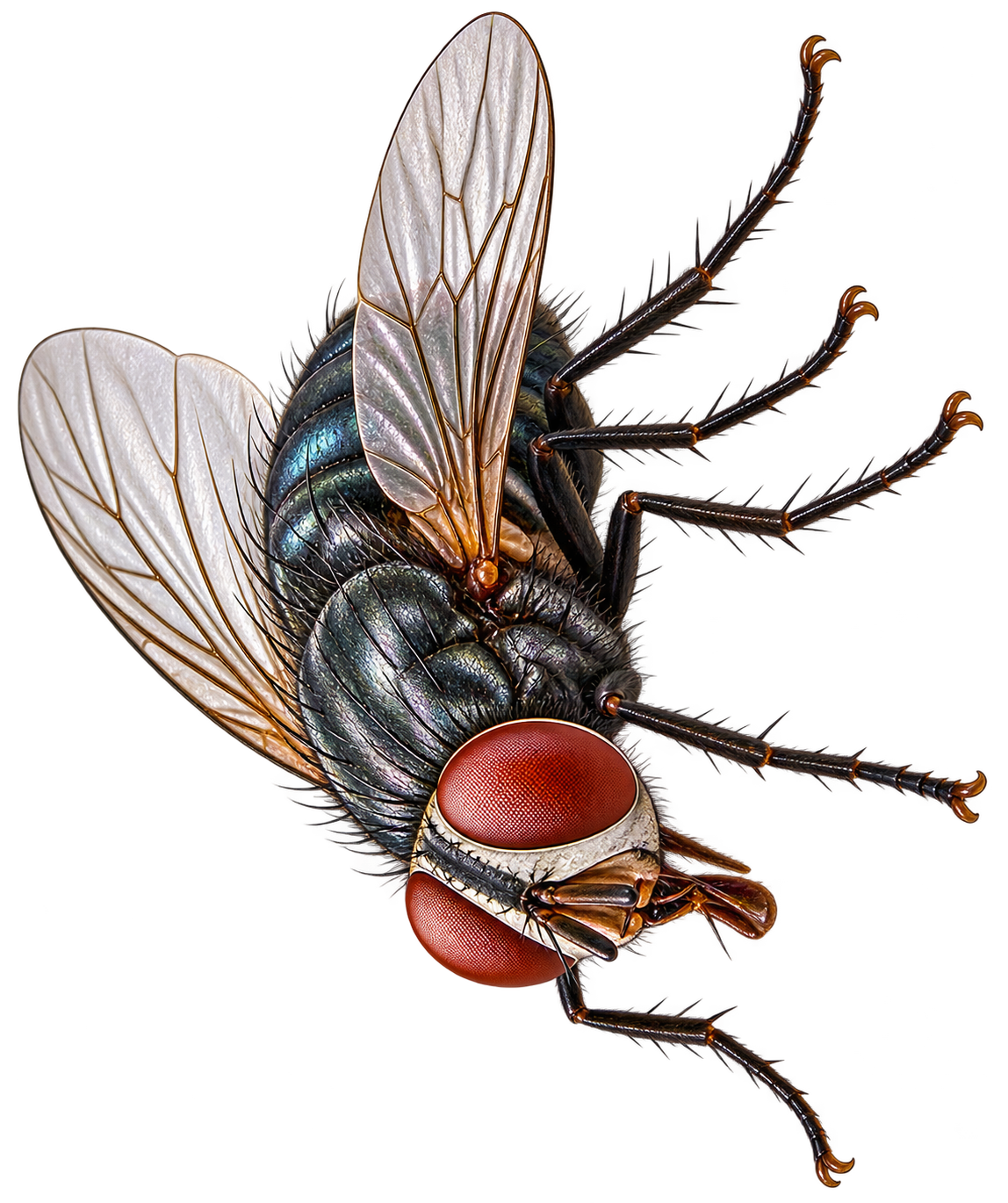
Food residues, ingredients, waste, drains, moisture, and equipment spaces can create opportunities for insects and rodents.
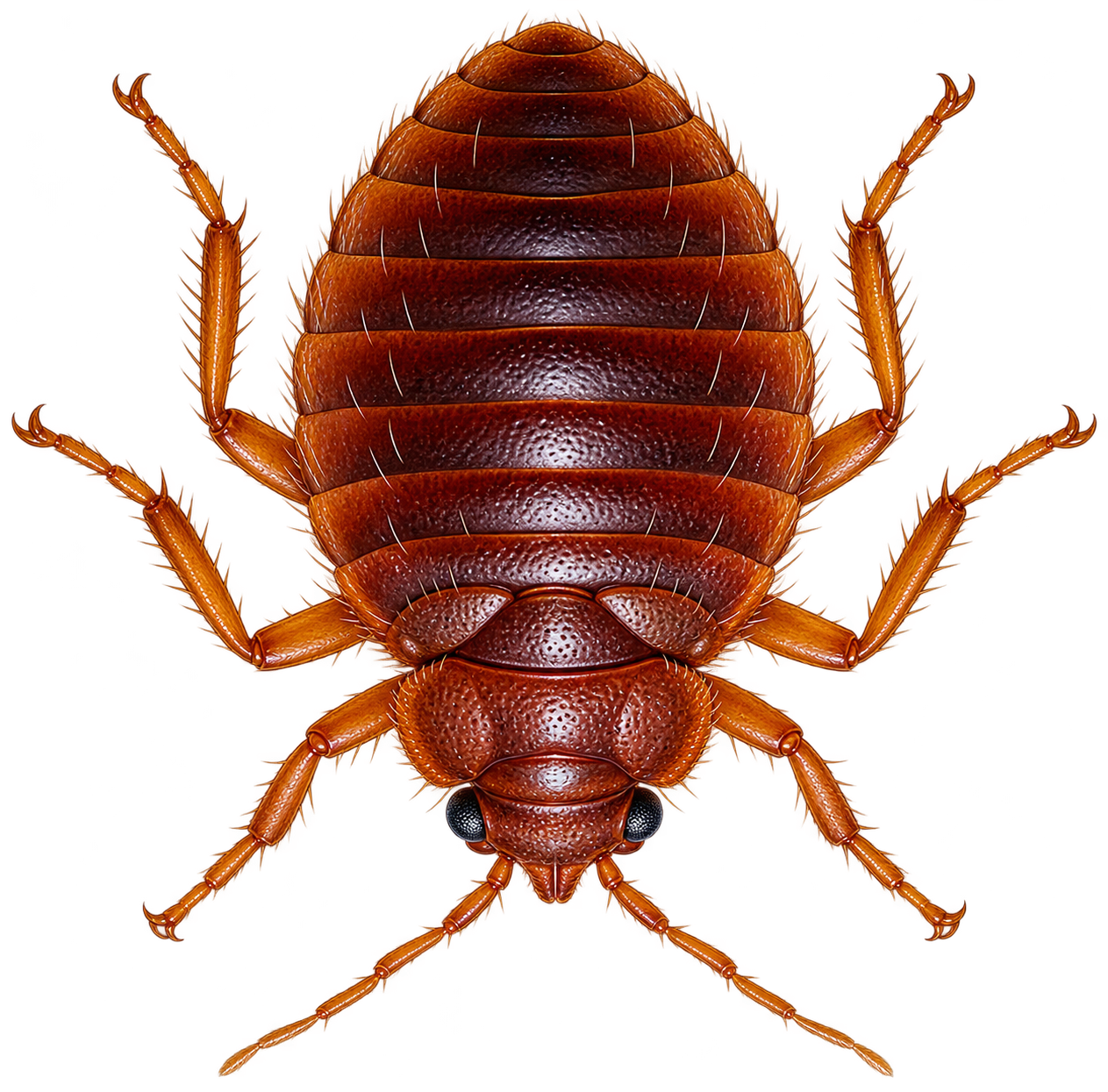
Beds, furniture, upholstery, luggage areas, cracks, concealed spaces, and housekeeping conditions can require attention to pest risks.
Incoming food materials, cartons, packaging, pallets, and deliveries can introduce potential pest risks into the premises.
Food stores, beverage storage, housekeeping supplies, linen, cartons, and low-access areas may require regular inspection.
Drains, plumbing areas, leaks, damp locations, and standing water can contribute to certain pest activity.
Food waste, general waste, collection points, and external waste areas can attract pests when not appropriately managed.
Doors, windows, service entrances, ventilation openings, structural gaps, and utility routes can provide potential entry points.
Gardens, landscaping, parking areas, waste zones, drainage, neighbouring properties, and building perimeters can influence pest pressure.
Inspect guest areas, kitchens, dining spaces, storage, service areas, utilities, waste locations, and external premises.
Identify pest activity, entry points, harbourage, food sources, moisture conditions, and other contributing factors.
Determine areas requiring attention based on pest activity, facility conditions, operational sensitivity, and site requirements.
Recommend practical improvements involving housekeeping, food storage, waste, drainage, exclusion, storage, and building conditions.
Use suitable inspection and monitoring practices to identify activity and changing risk conditions.
Implement targeted pest-management measures where required, according to the identified pest, location, and operating environment.
Programs are developed around the needs of hospitality environments and the importance of customer experience.
Where practical, service activities can be planned around guest movement, operating hours, occupancy, and property schedules.
Particular attention can be given to food preparation, storage, waste, drainage, and service areas.
We look for conditions that may contribute to recurring pest activity and provide practical recommendations where appropriate.
Inspection observations, pest activity, treatment information, recommendations, and follow-up requirements can be documented as part of the agreed program.
AMC programs can provide scheduled inspections, monitoring, preventive measures, targeted control, follow-up, and periodic program review.
Call Now
Mail Id
Visit office