Address
Flat No. I-3, Rupchandr Complex, B-Wing,
3rd Floor, Next To Surana Complex, Aurangpura

Flat No. I-3, Rupchandr Complex, B-Wing,
3rd Floor, Next To Surana Complex, Aurangpura

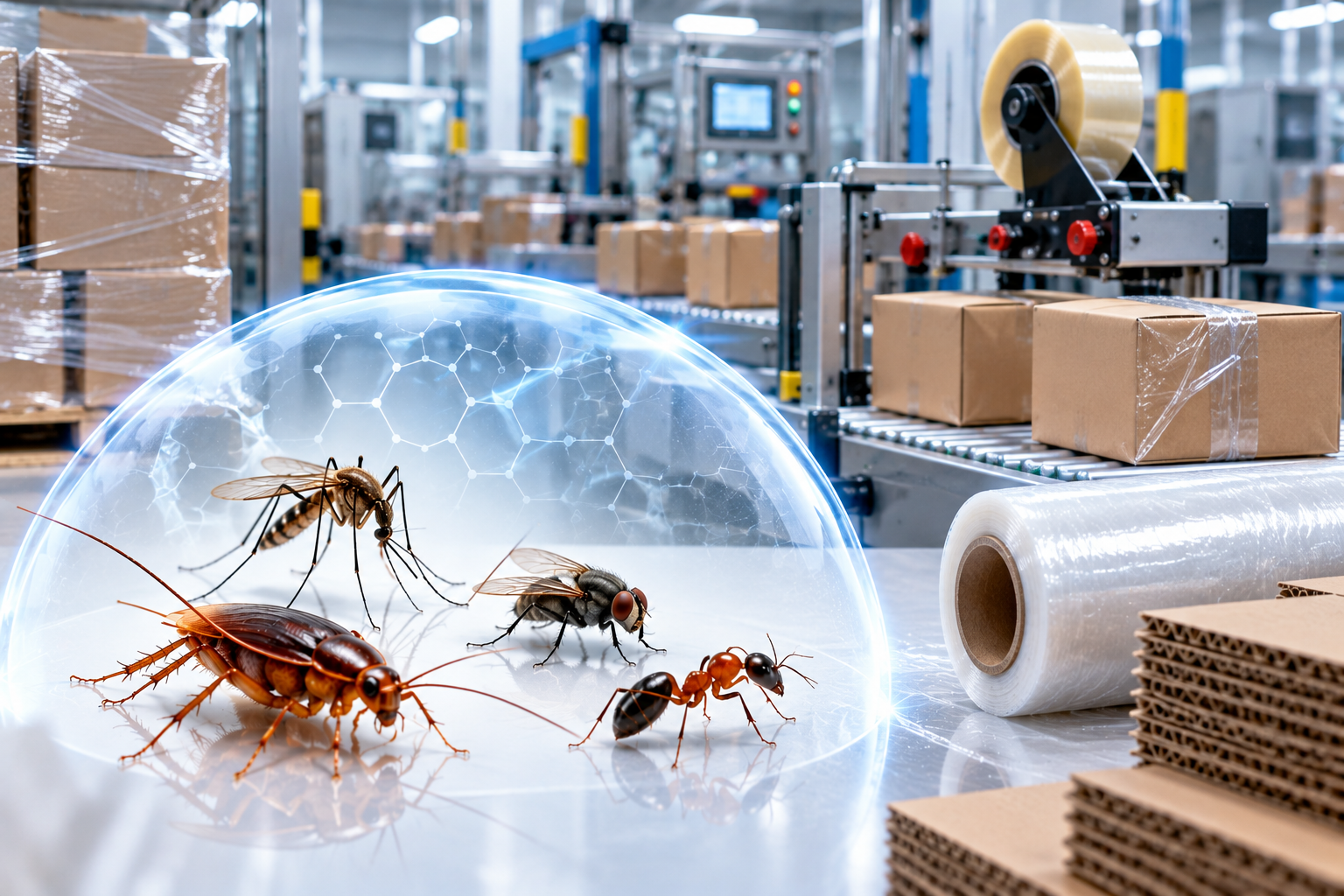
Packaging facilities handle raw materials, packaging components, machinery, finished packaging products, storage, dispatch, and continuous material movement. These environments can present pest risks through incoming materials, warehouses, production areas, waste, utilities, and building access points.
24×7 Pest Management Services provides customized pest-management programs for packaging manufacturers and related facilities, focusing on prevention, inspection, monitoring, targeted control, and ongoing risk reduction.
Our approach is designed around the way your facility operates, helping identify potential pest entry points, harbourage conditions, and environmental factors that may contribute to pest activity.
Packaging facilities can contain a combination of manufacturing, storage, machinery, raw materials, finished goods, and logistics areas. Each environment may require different pest-management considerations.
Flexible Packaging Units
Corrugated Box Manufacturing
Paper & Board Packaging
Plastic Packaging Manufacturing
Printed Packaging Facilities
Carton & Folding Box Units
Container & Component Manufacturing
Packaging Material Warehouses
Printing & Packaging Facilities
Distribution & Storage Centres



Pests may potentially enter through incoming materials, pallets, vehicles, packaging components, and loading areas.
Poorly accessible storage spaces, wall gaps, floor-level materials, and unsuitable stacking conditions can make inspection and pest detection more difficult.
Equipment spaces, concealed voids, electrical areas, and service routes may provide potential harbourage.
Accumulated production waste, paper residues, damaged materials, and waste-storage areas can contribute to pest activity.
Leaks, damp areas, drainage problems, condensation, and standing water can create conditions favourable to certain pests.
Doors, windows, service penetrations, structural gaps, and damaged seals may provide potential entry routes.
Vegetation, waste areas, neighbouring premises, drainage, loading zones, and environmental conditions can influence pest pressure inside the facility.
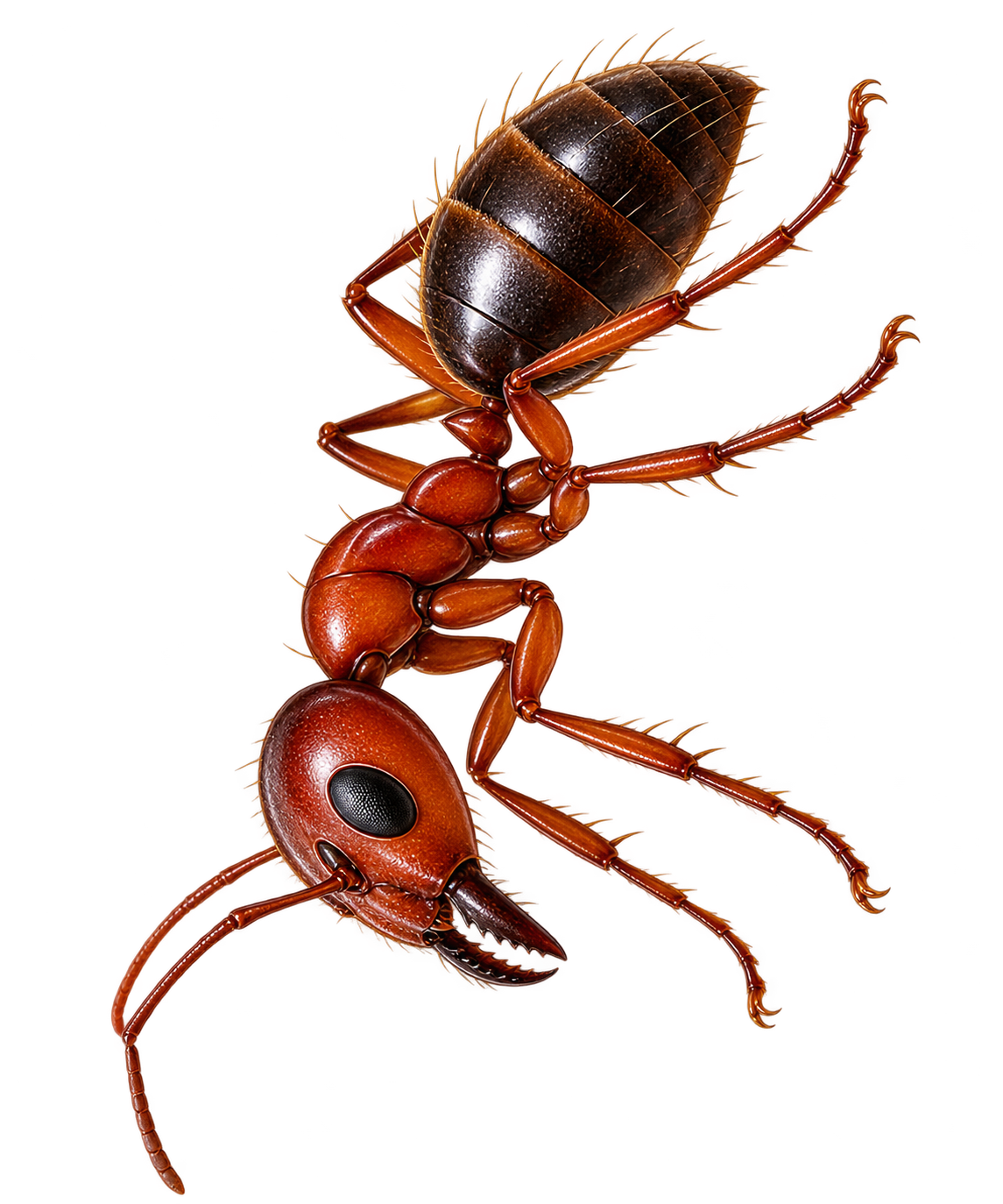
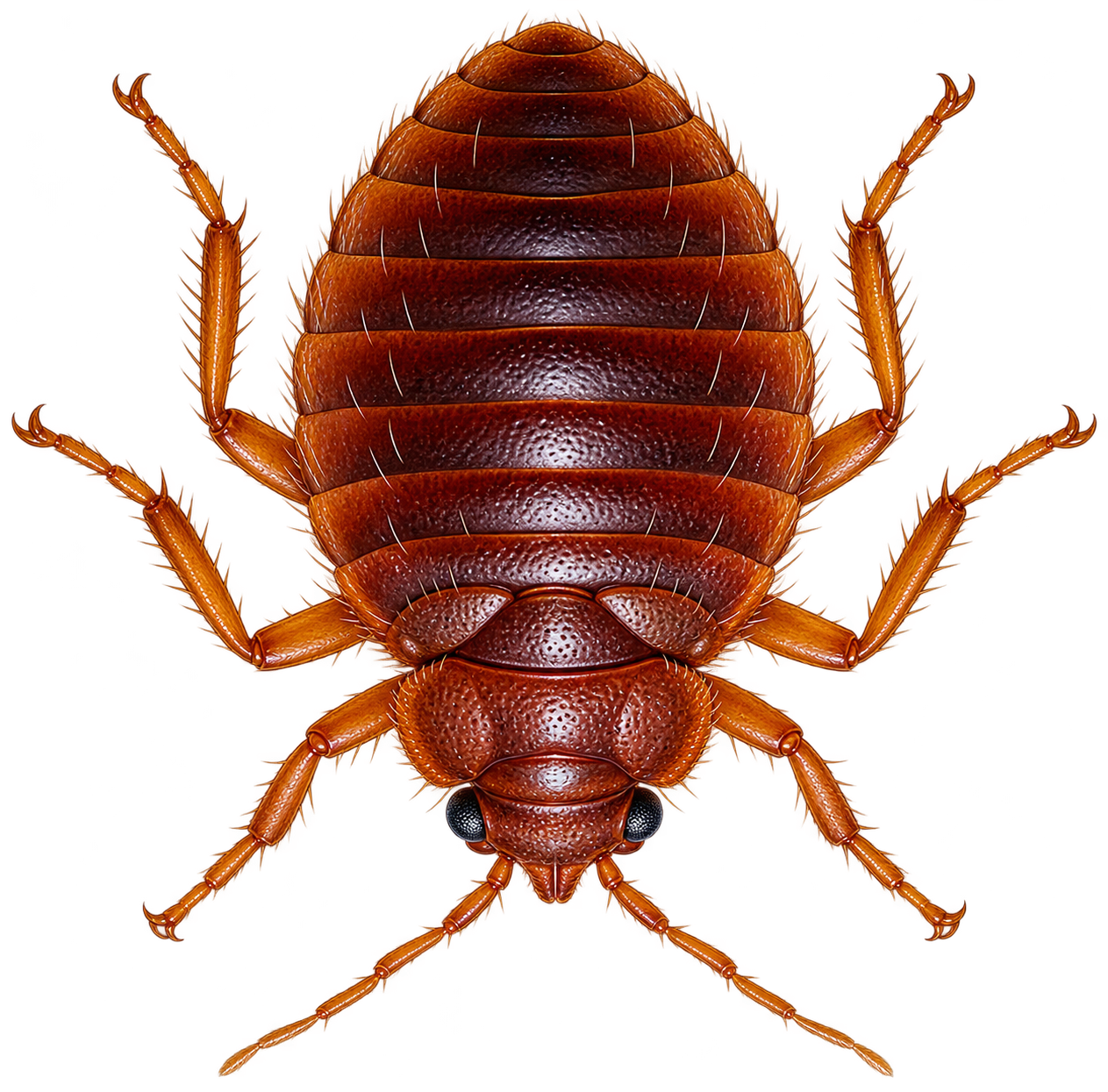
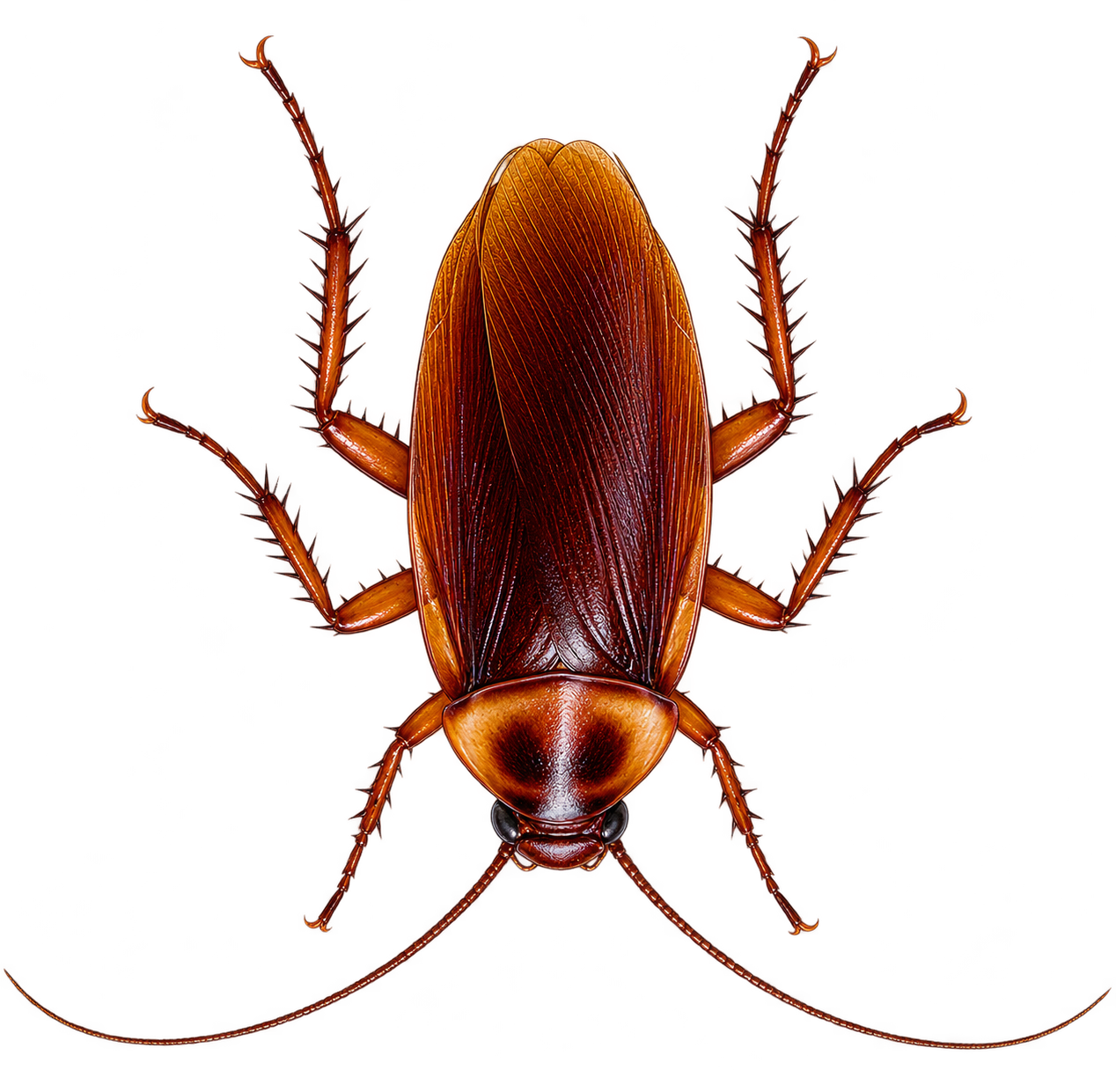
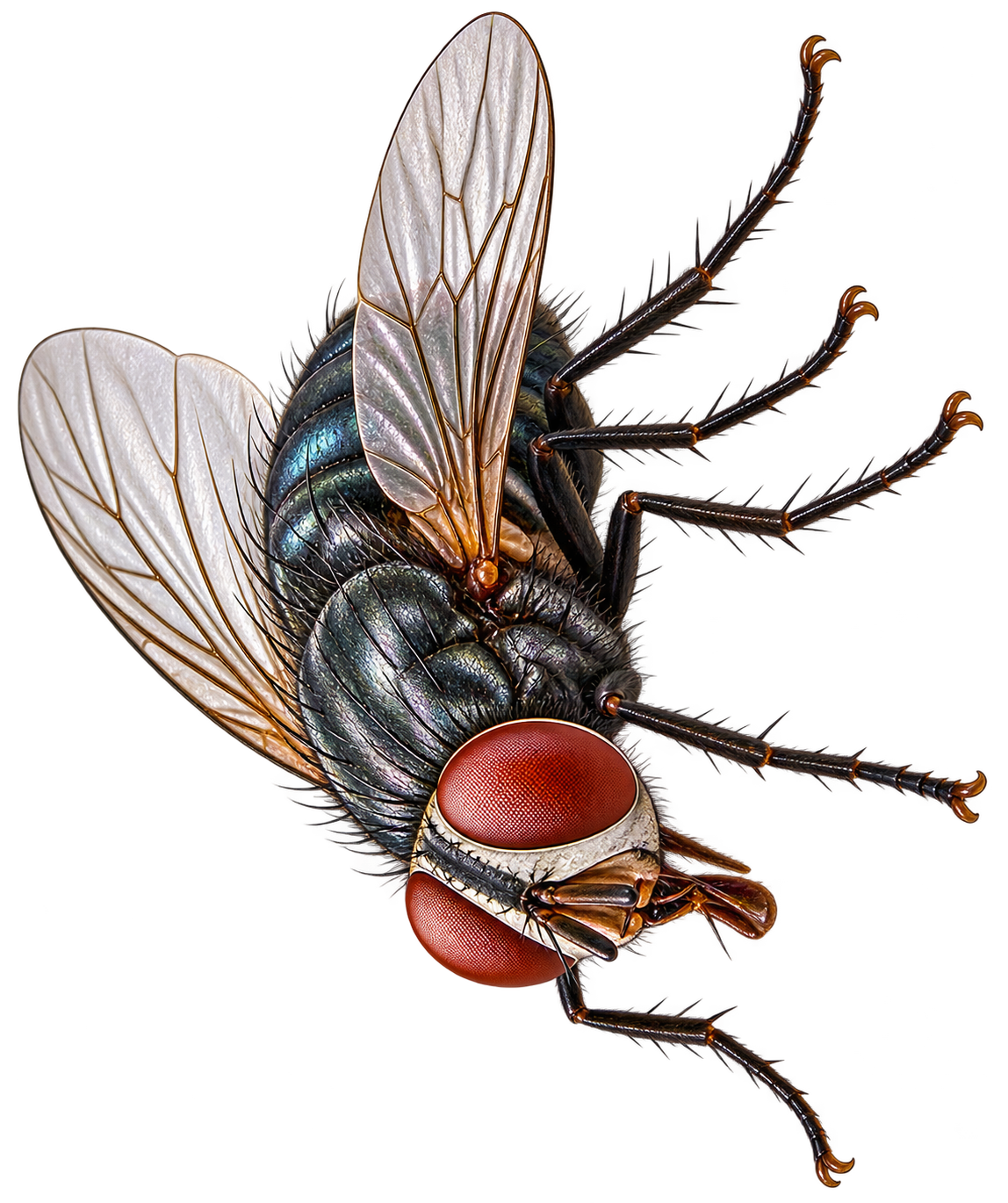
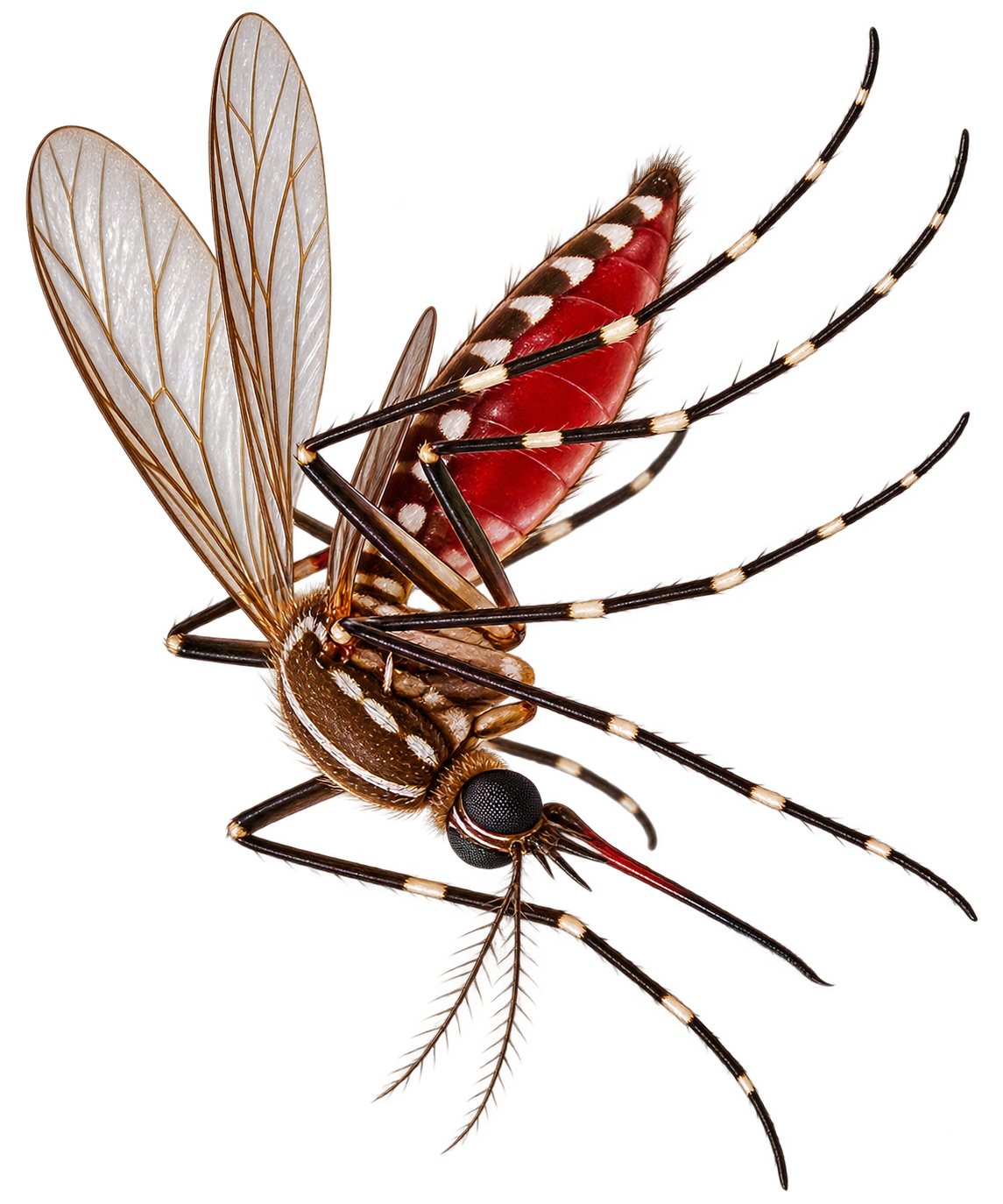
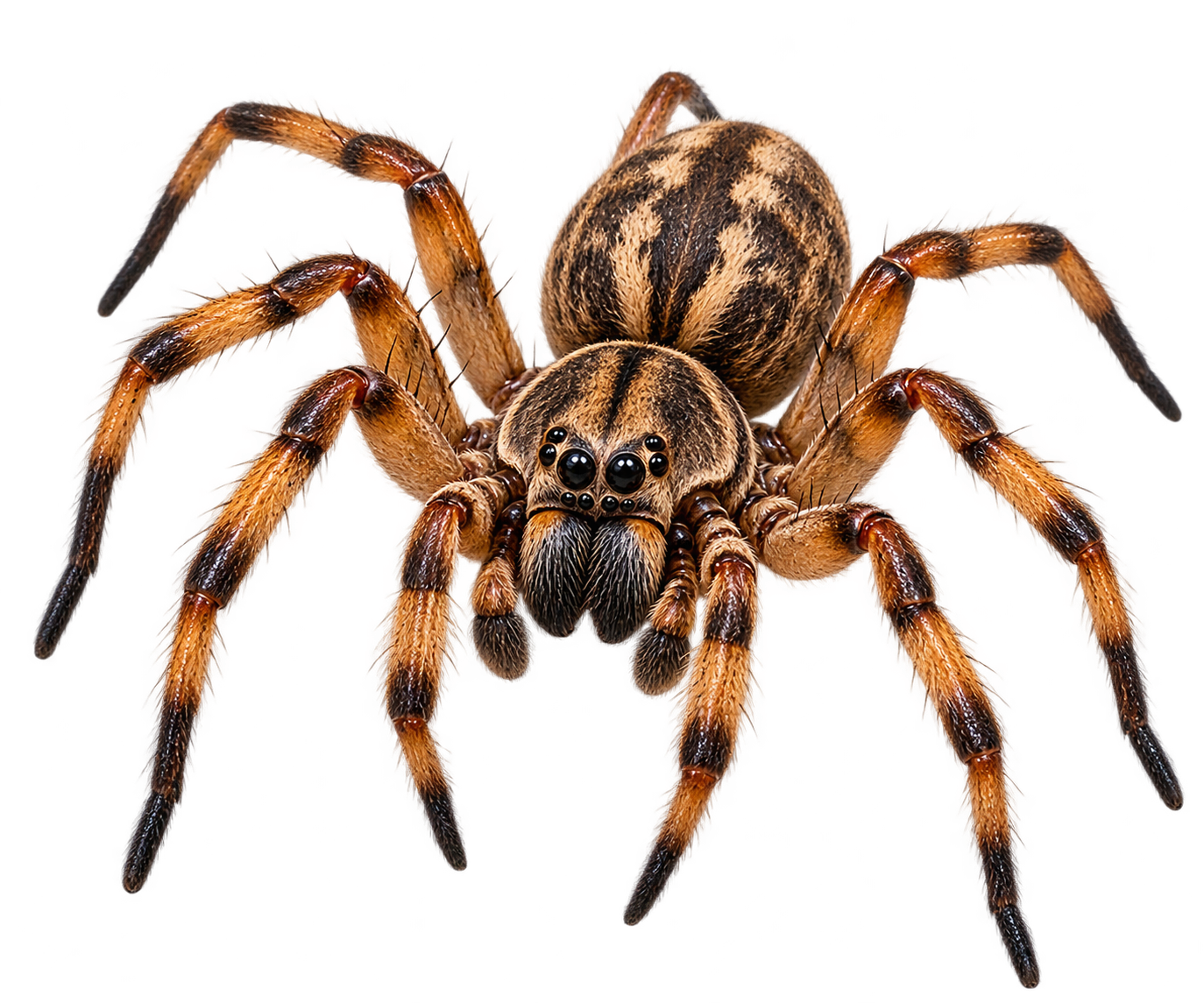
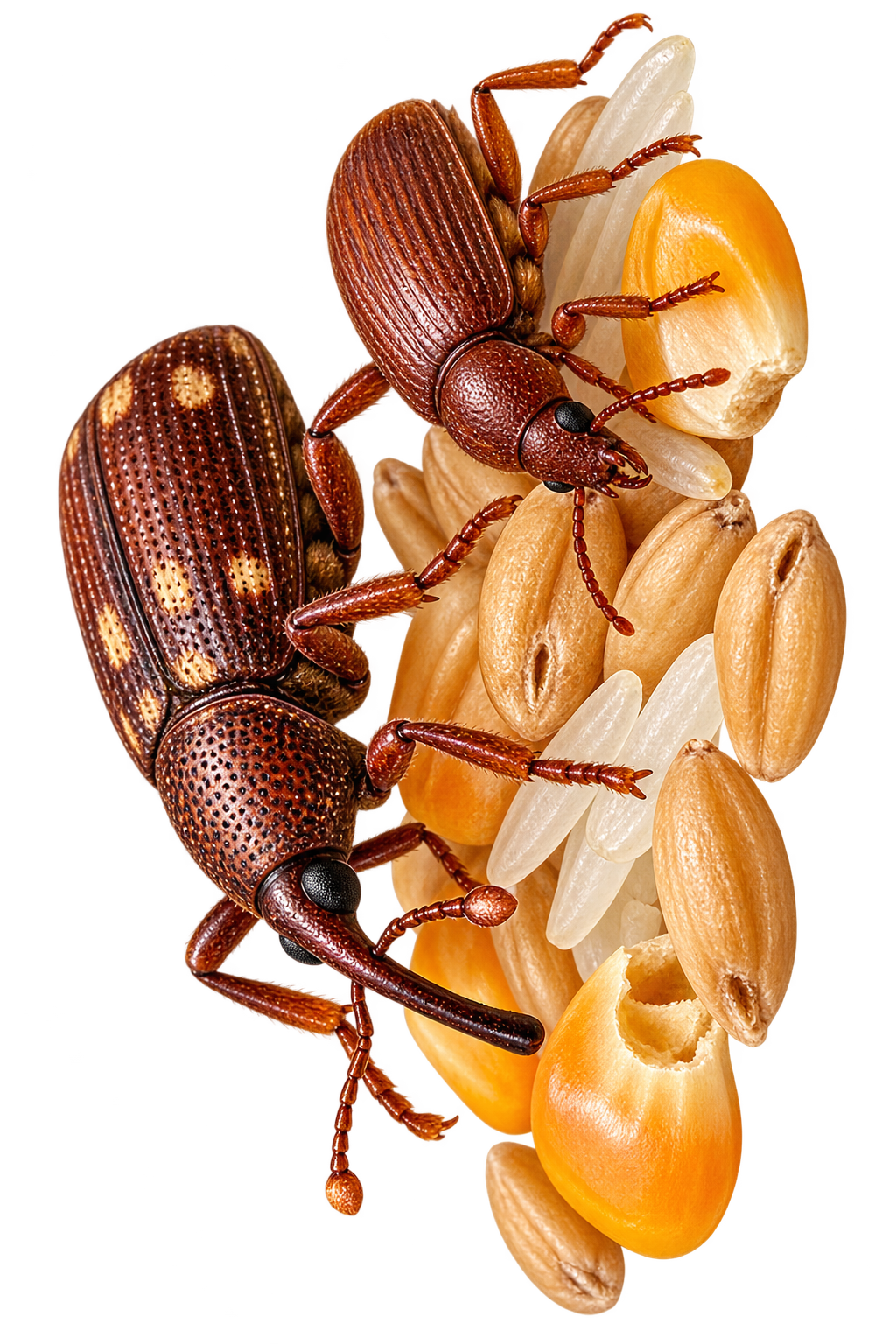
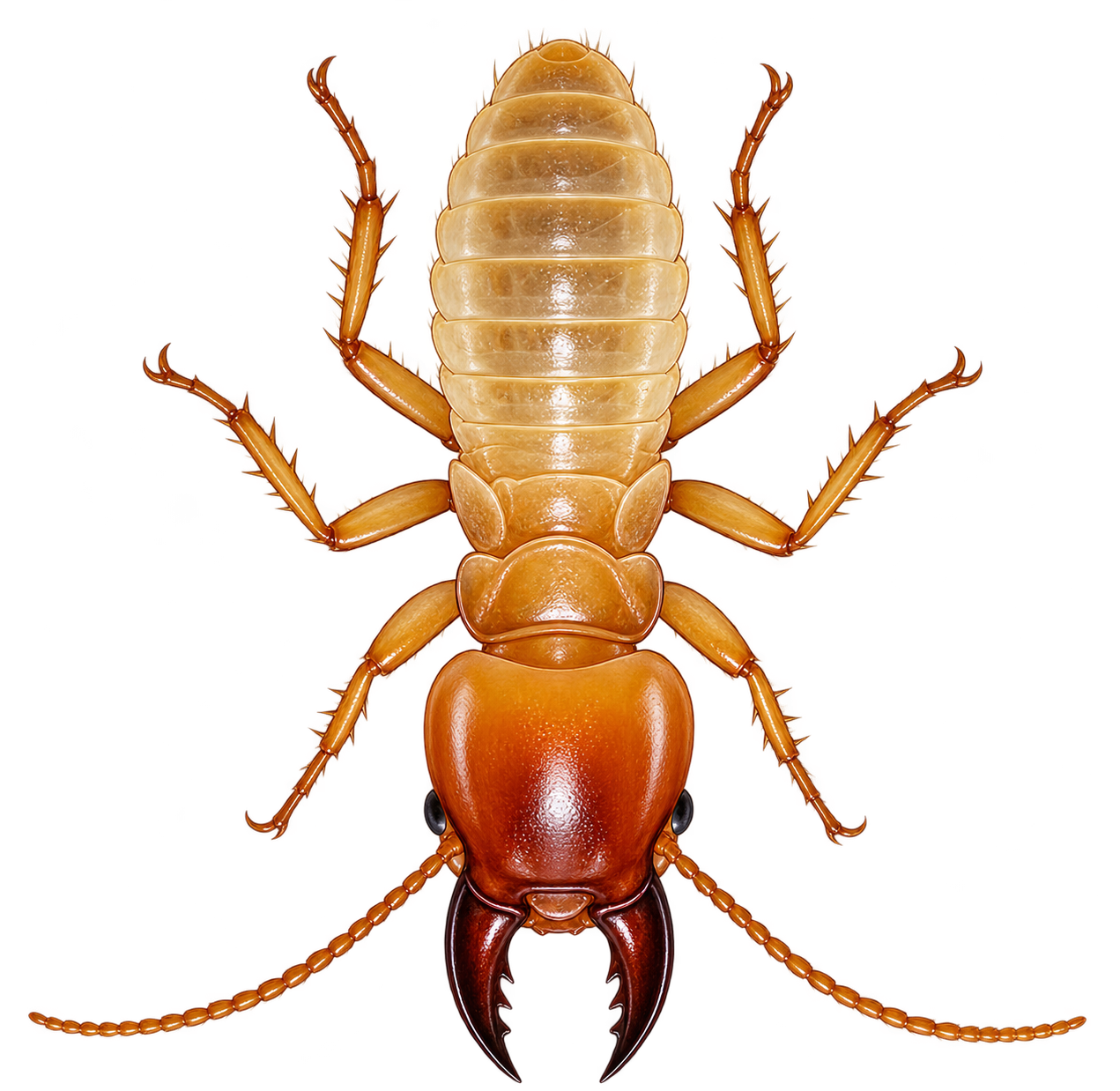
Depending on facility conditions, pest concerns may include rodents, cockroaches, ants, flies, stored-product pests, termites, and other insects.
Inspect the facility, production flow, storage areas, utilities, waste locations, and external surroundings.
Identify pest activity, potential entry routes, harbourage areas, and environmental conditions that may contribute to the problem.
Recommend practical measures related to storage, housekeeping, waste, exclusion, drainage, and building conditions.
Use suitable inspection and monitoring practices to identify pest activity and changes over time.
Implement targeted pest-management measures where required, based on the identified pest risk and site conditions.
Evaluate service observations, pest activity, recommendations, and follow-up requirements.
Programs are developed around the characteristics of packaging manufacturing and storage environments.
Incoming materials, pallets, storage arrangements, production waste, and finished goods are considered during assessment.
We focus on identifying conditions that may contribute to pest activity and recommending practical preventive measures.
Inspection observations, pest activity, treatment information, recommendations, and follow-up requirements can be documented as part of the agreed service program.
Service activities can be planned with consideration for production schedules, material movement, access requirements, and facility operations.
AMC programs can provide scheduled inspection, monitoring, preventive management, targeted control, follow-up, and periodic program review.
Call Now
Mail Id
Visit office