Address
Flat No. I-3, Rupchandr Complex, B-Wing,
3rd Floor, Next To Surana Complex, Aurangpura

Flat No. I-3, Rupchandr Complex, B-Wing,
3rd Floor, Next To Surana Complex, Aurangpura

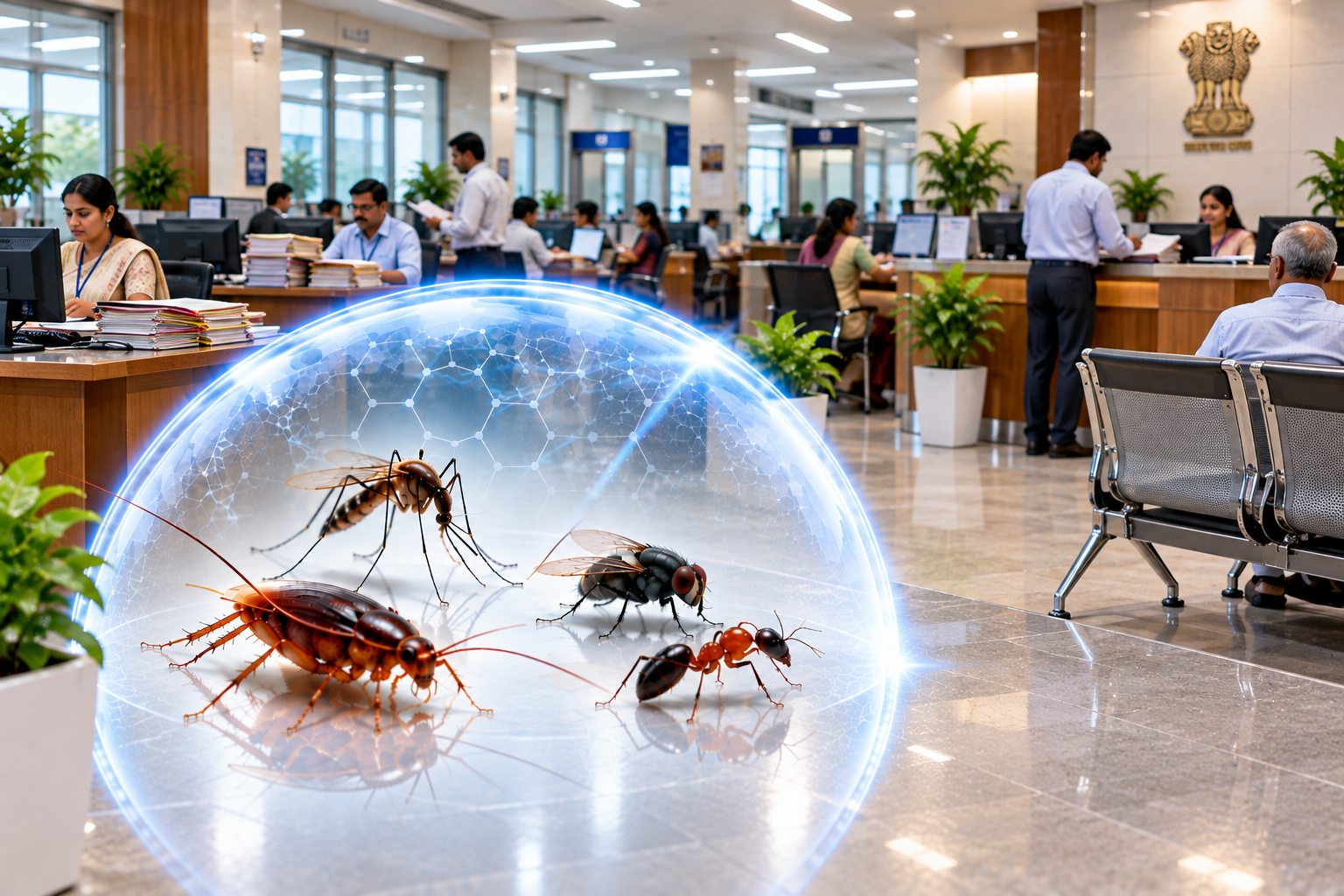
Government offices serve employees, citizens, visitors, and administrative functions every day. Public-facing counters, waiting areas, offices, records rooms, staff facilities, storage spaces, utilities, and surrounding premises can all present different pest-management challenges.
Large buildings, high footfall, paper records, food areas, drainage, waste, and outdoor spaces can create conditions that require regular attention.
24×7 Pest Management Services provides customized pest-management programs for government offices and public-sector facilities, focusing on prevention, monitoring, targeted control, responsible service, and long-term facility protection.
Government facilities can combine customer-facing spaces, employee work areas, records, storage, technical infrastructure, and extensive external premises.
Government Offices
Municipal Offices
Administrative Buildings
Public Service Centres
Government Departments
District & Taluka Offices
Revenue & Administrative Offices
Public-Sector Administrative Facilities
Government Record Offices
Institutional Government Buildings
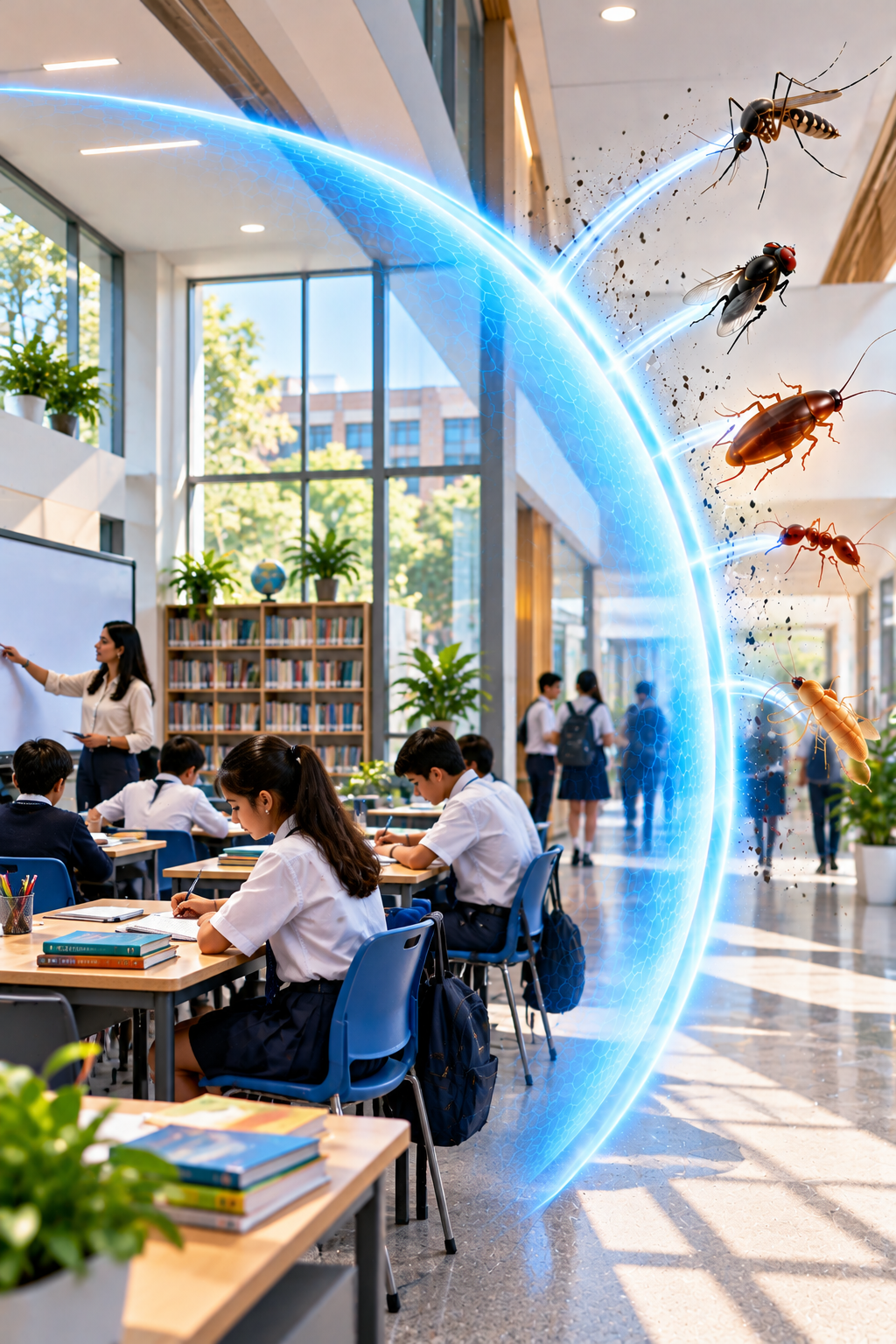


Frequent movement through entrances, public counters, waiting areas, and corridors can create opportunities for pest entry.
Files, paper materials, cartons, archives, furniture, and rarely accessed storage areas may provide potential harbourage conditions.
Food residues, stored food, staff pantries, waste, and drainage can attract insects and rodents when conditions permit.
Leaks, damp areas, washrooms, drains, plumbing spaces, and standing water can contribute to certain pest activity.
Doors, windows, ventilation openings, service penetrations, structural gaps, and utility routes may provide potential entry points.
General waste, food waste, collection points, and external waste-storage areas can influence pest activity.
Vegetation, drainage, waste areas, parking spaces, neighbouring properties, and building perimeters can contribute to pest pressure.
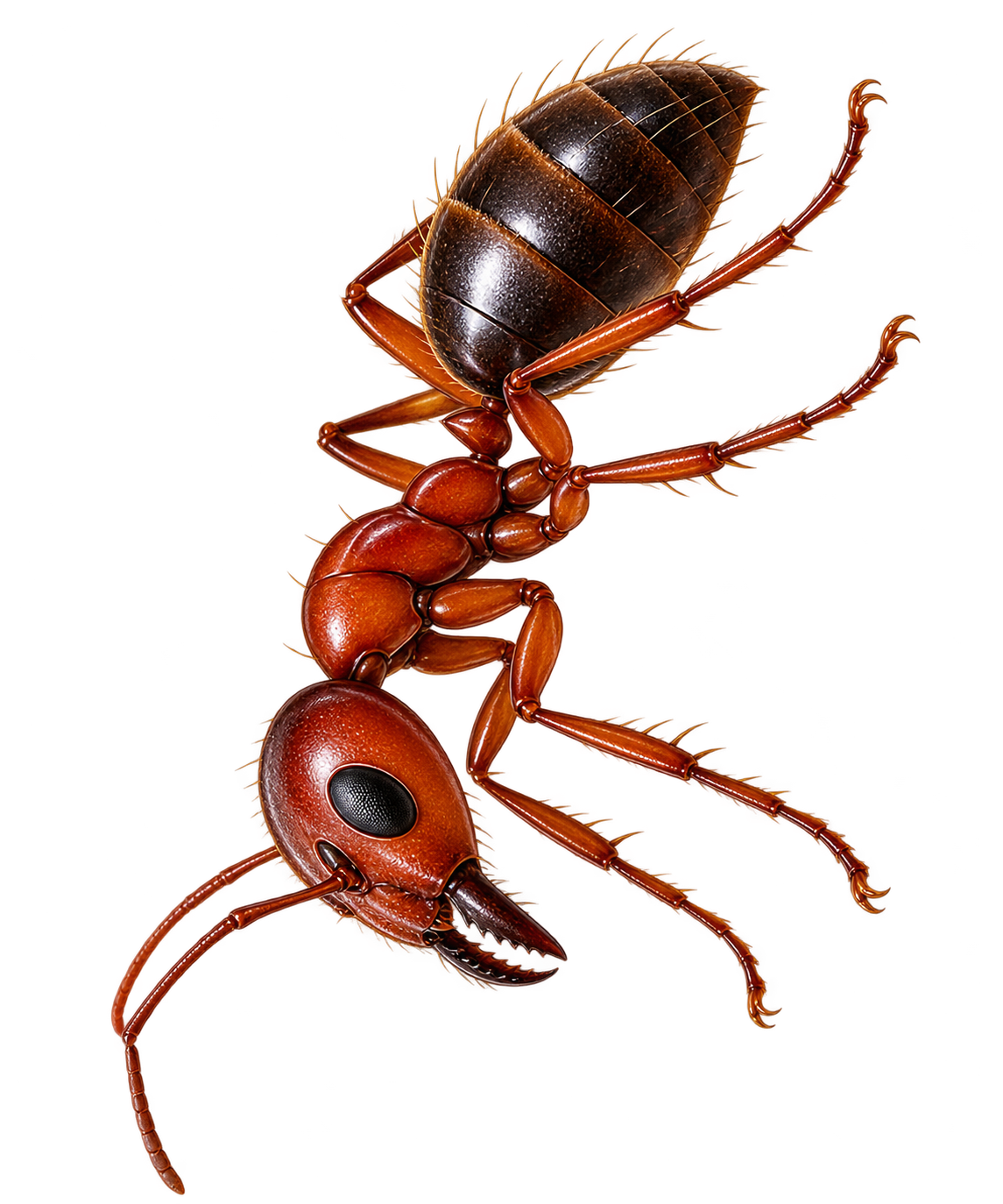
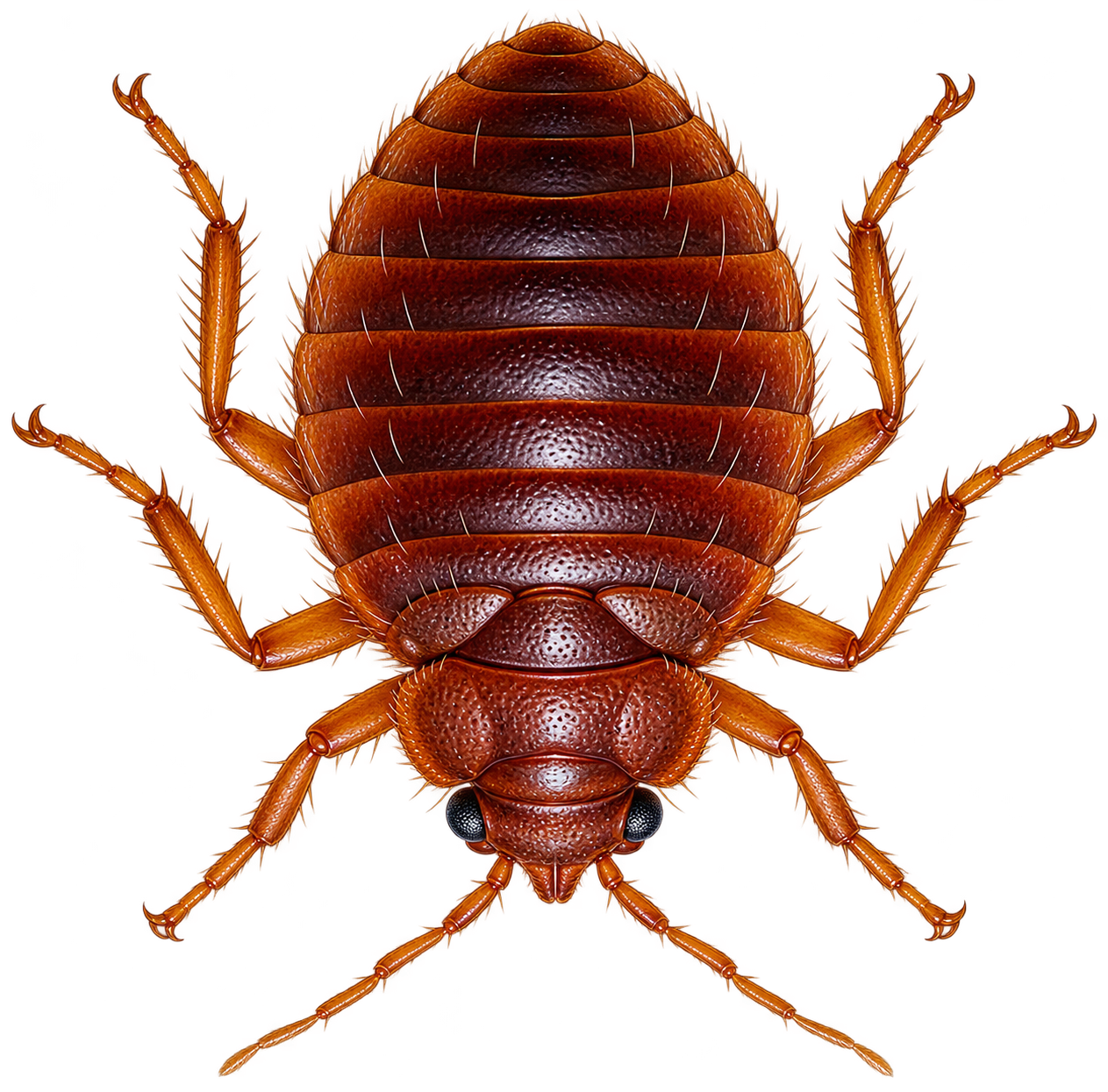
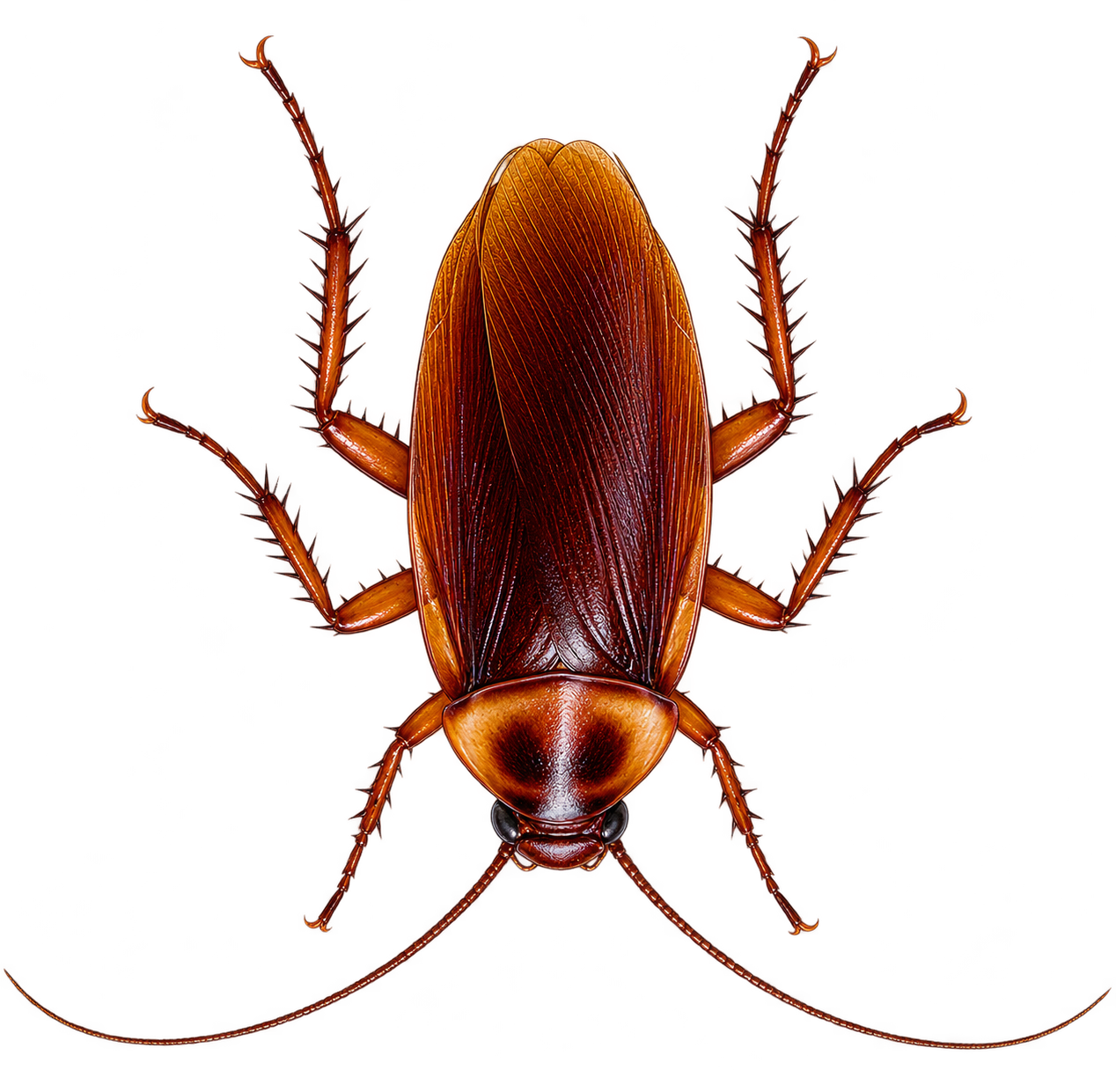
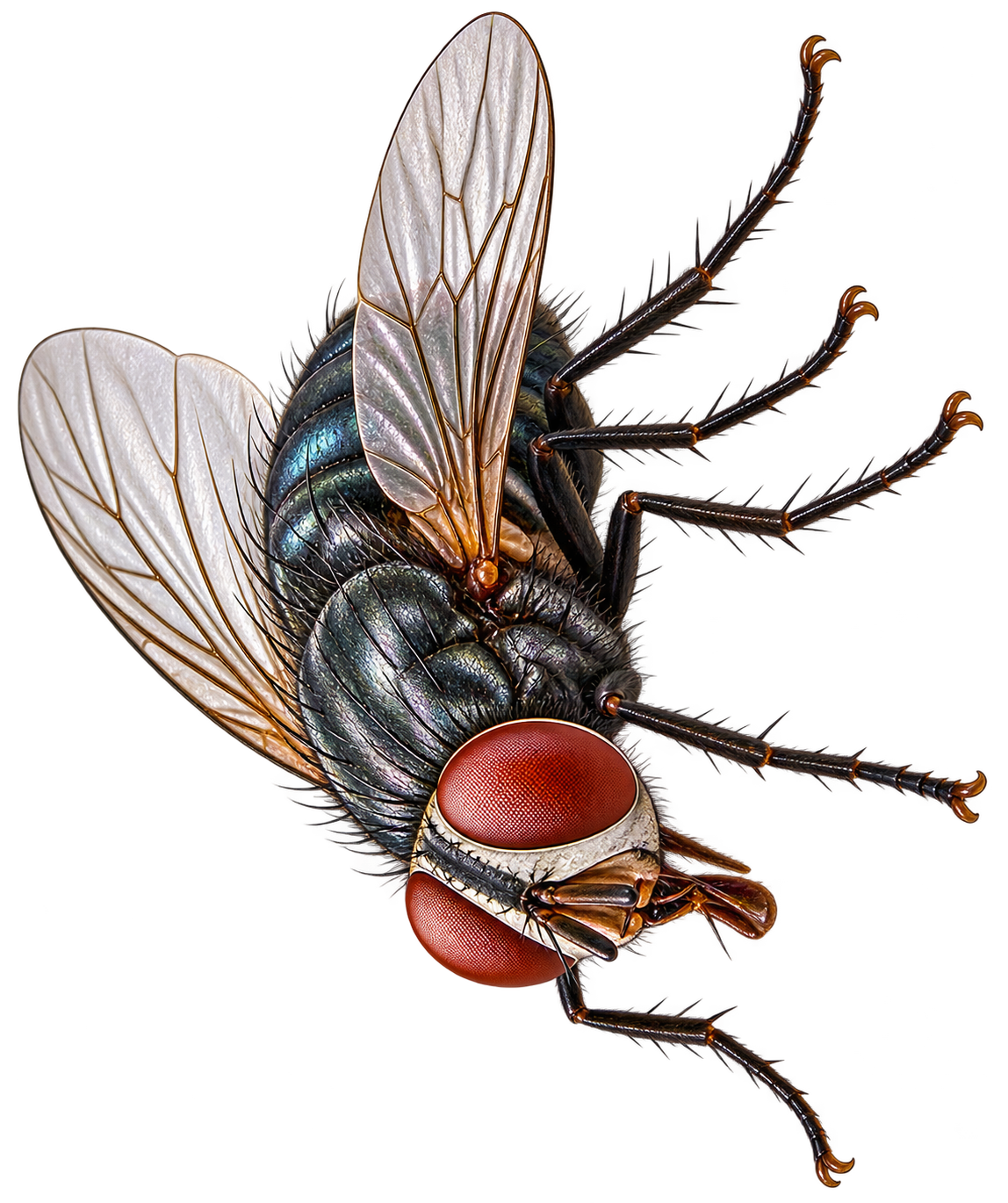
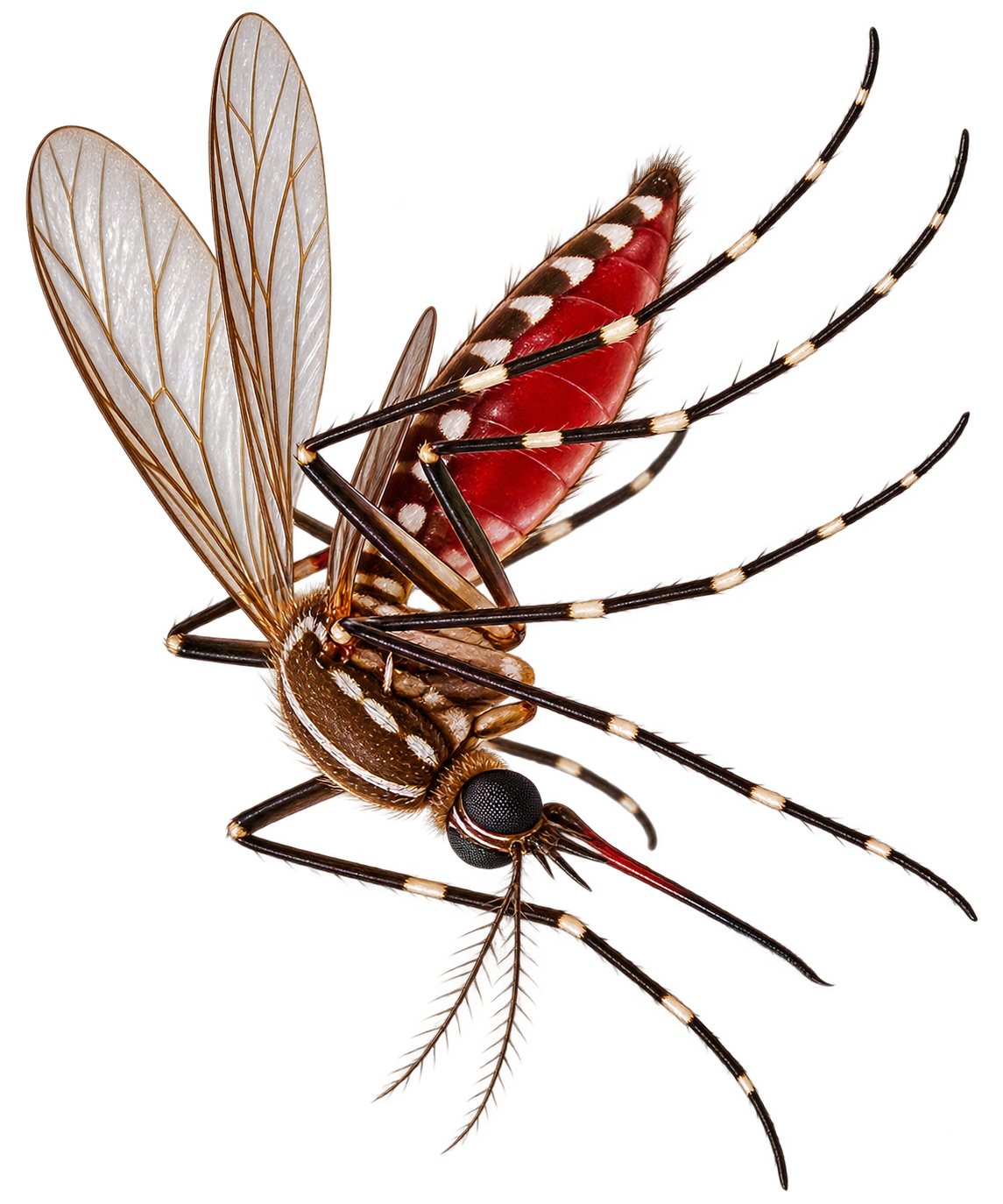
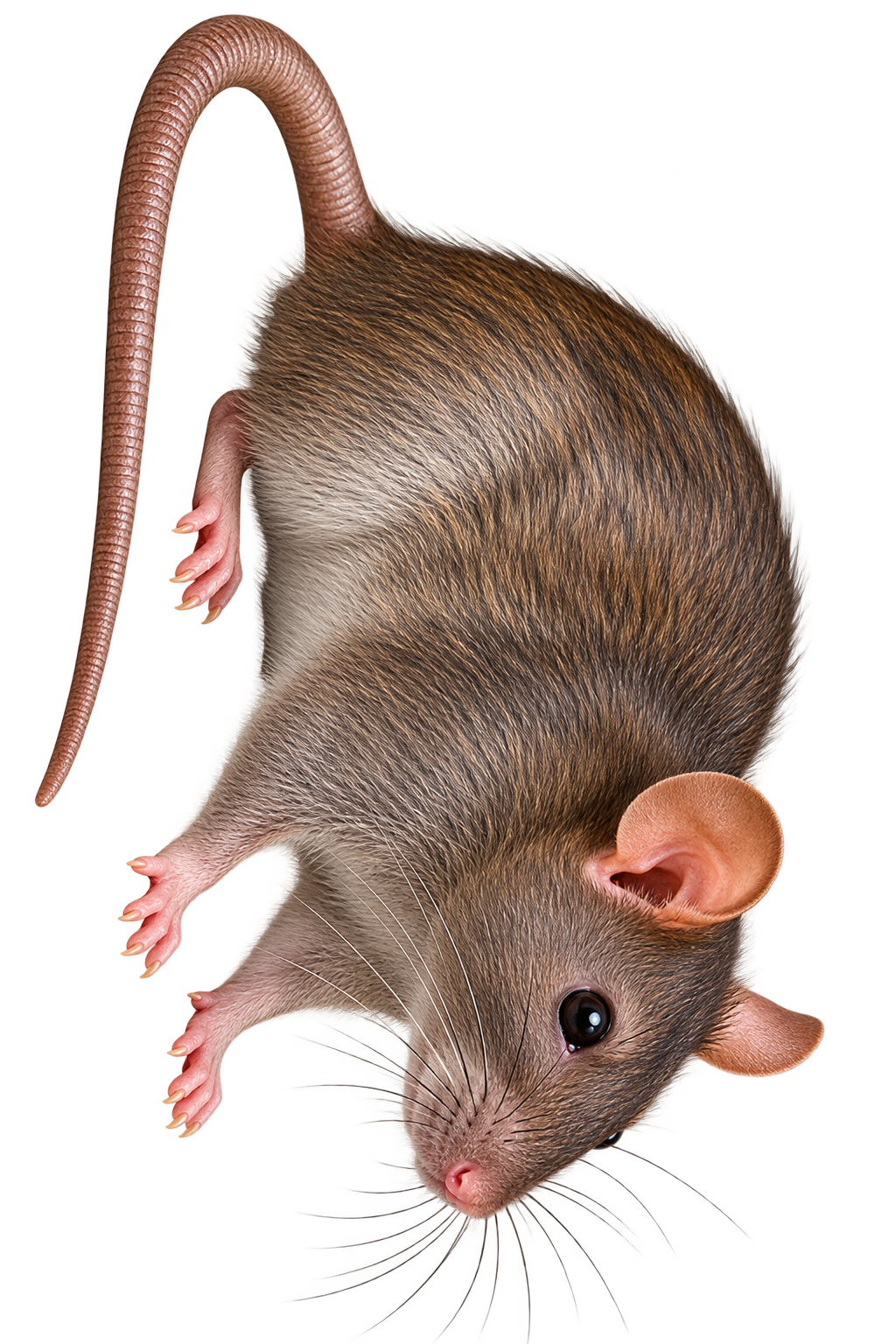
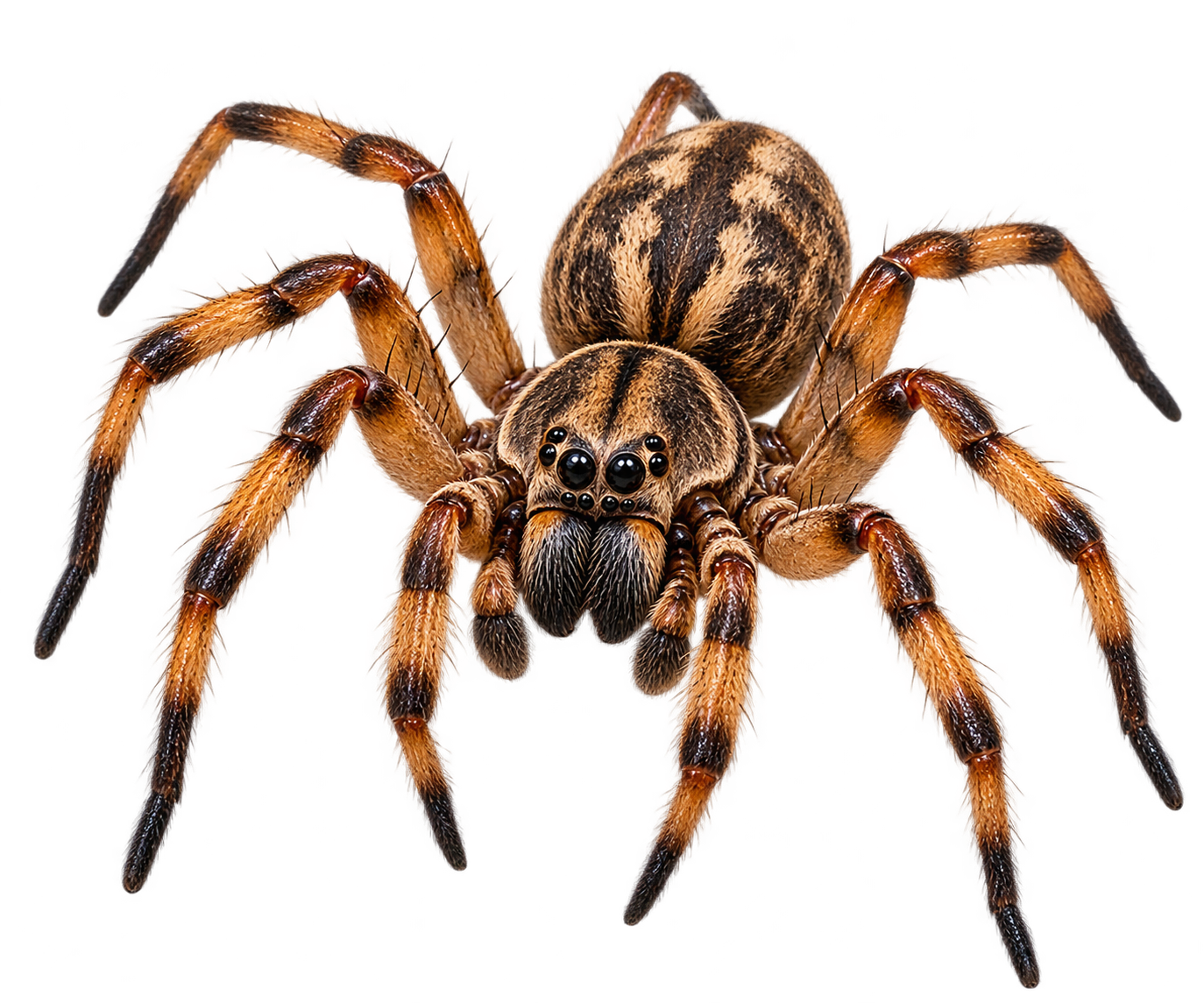
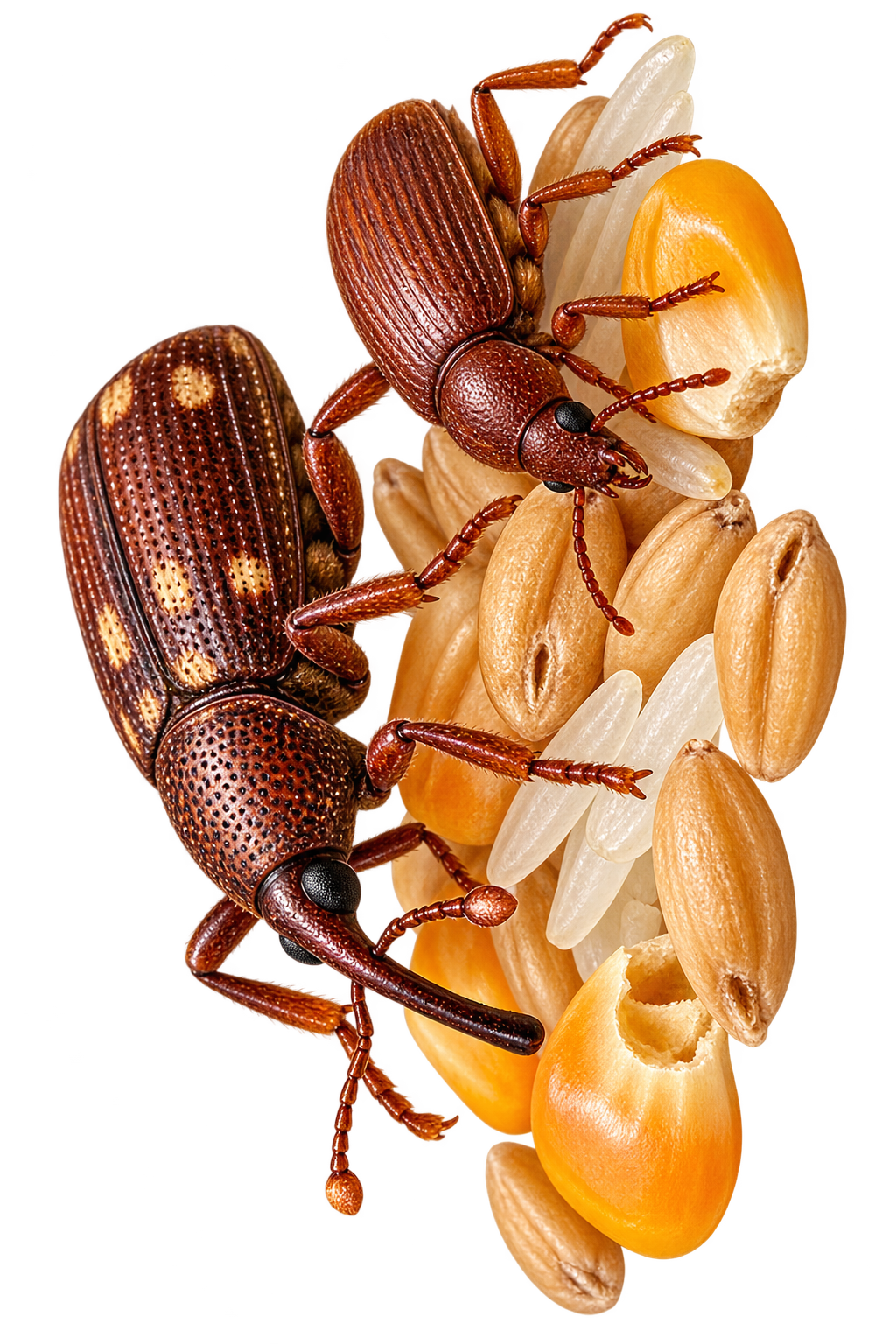
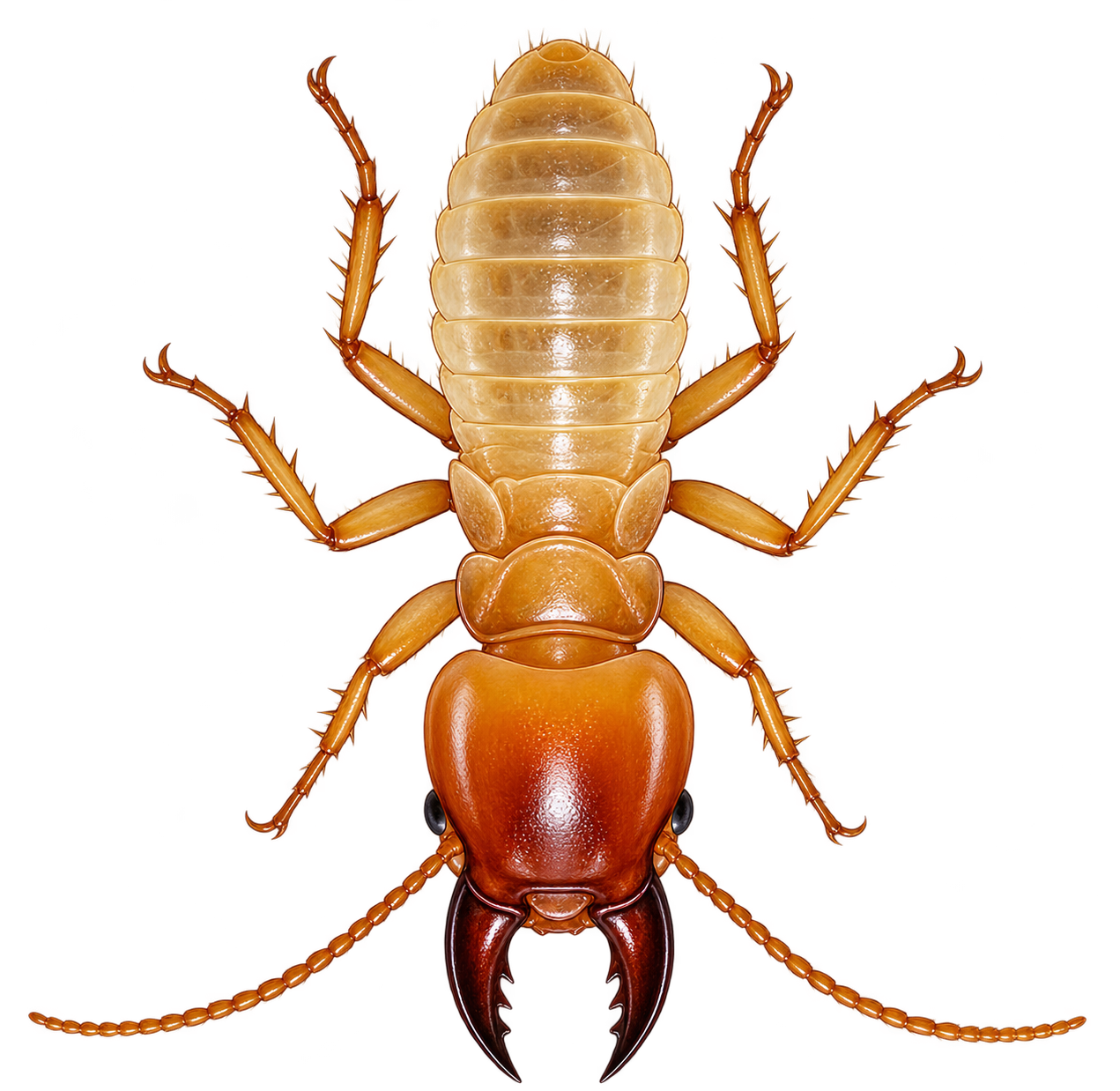
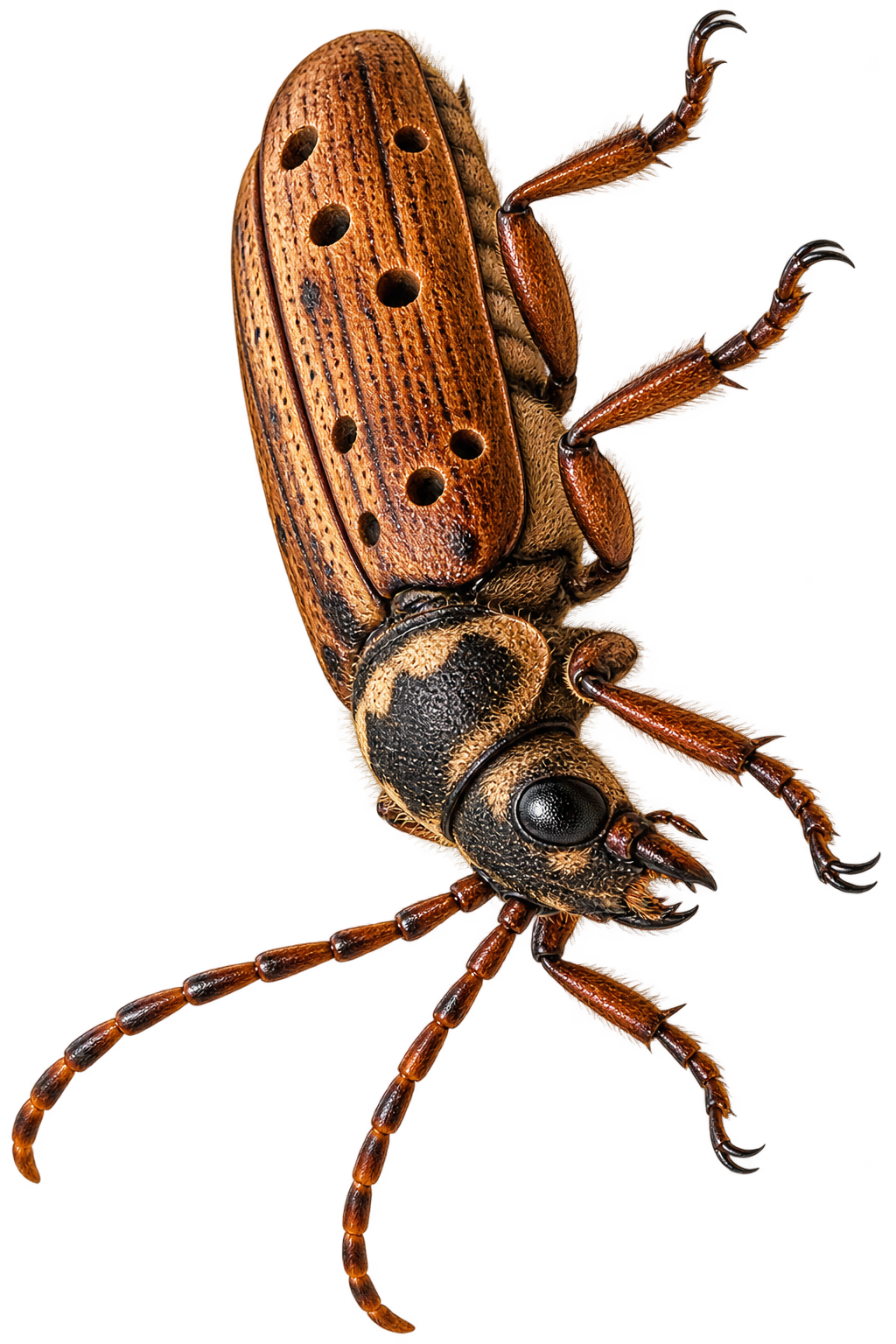
Depending on facility conditions, pest concerns may include cockroaches, rodents, ants, flies, mosquitoes, termites, spiders, and other site-specific pests.
Inspect public areas, offices, records rooms, storage, pantry areas, utilities, sanitation facilities, and external premises.
Identify pest activity, access routes, harbourage, moisture conditions, food sources, waste-related risks, and structural vulnerabilities.
Determine areas requiring attention based on pest activity, public access, employee use, facility sensitivity, and site conditions.
Provide practical recommendations related to housekeeping, storage, waste management, drainage, exclusion, and building maintenance.
Use suitable inspection and monitoring practices to identify pest activity and changing conditions.
Implement targeted pest-management measures where required according to the pest, location, facility conditions, and operational requirements.
Programs are developed around government offices, administrative buildings, public-facing areas, records, and supporting facilities.
Service planning can take into account visitor movement, occupied offices, waiting areas, staff facilities, and high-traffic locations.
We focus on identifying conditions that may contribute to recurring pest activity and provide practical recommendations where appropriate.
Archives, files, cartons, storage areas, and low-access spaces can be considered during inspection and monitoring.
Inspection observations, pest activity, treatment information, recommendations, and follow-up requirements can be documented as part of the agreed service program.
Activities can be coordinated around office schedules, public access, maintenance, cleaning, and other operational requirements.
Call Now
Mail Id
Visit office