Address
Flat No. I-3, Rupchandr Complex, B-Wing,
3rd Floor, Next To Surana Complex, Aurangpura

Flat No. I-3, Rupchandr Complex, B-Wing,
3rd Floor, Next To Surana Complex, Aurangpura


Food-industry environments require careful pest management because ingredients, processing activities, packaging, storage, and waste handling can create different opportunities for pest activity.
24×7 Pest Management Services provides customized pest-management programs for food-related facilities, helping identify potential risks, strengthen preventive measures, monitor pest activity, and implement targeted control where required.
Our approach considers the facility as a complete operating environment, with solutions tailored to its processes, products, layout, and site-specific requirements.
Incoming ingredients, raw materials, pallets, and packaging are considered when assessing potential pest-entry routes.
Storage conditions, material arrangement, inspection access, and susceptible products are evaluated for potential pest risks.
Production equipment, food residues, moisture, concealed spaces, and operational conditions are considered during facility assessment.
Packaging materials, finished-product handling, surrounding spaces, and material movement are reviewed for potential pest activity.
Housekeeping, drainage, waste management, structural maintenance, and monitoring help support ongoing prevention.
Housekeeping, drainage, waste management, structural maintenance, and monitoring help support ongoing prevention.
Ingredient spills, food residues, and inaccessible cleaning areas can provide potential food sources for pests.
Leaks, standing water, damp areas, and poorly maintained drainage can contribute to conditions that support certain pests.
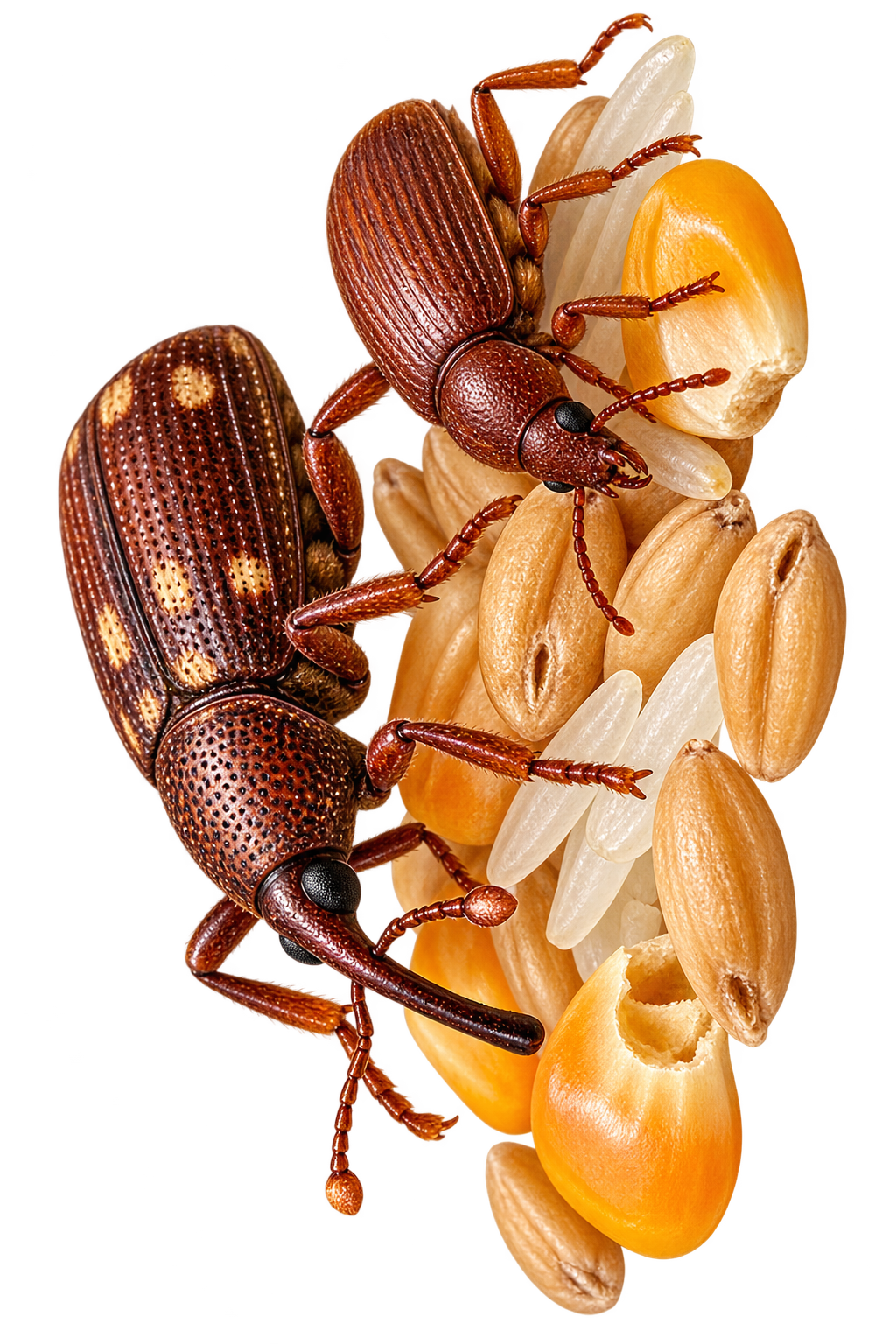
Stored ingredients, cartons, pallets, packaging materials, and inaccessible spaces may require additional inspection and monitoring.
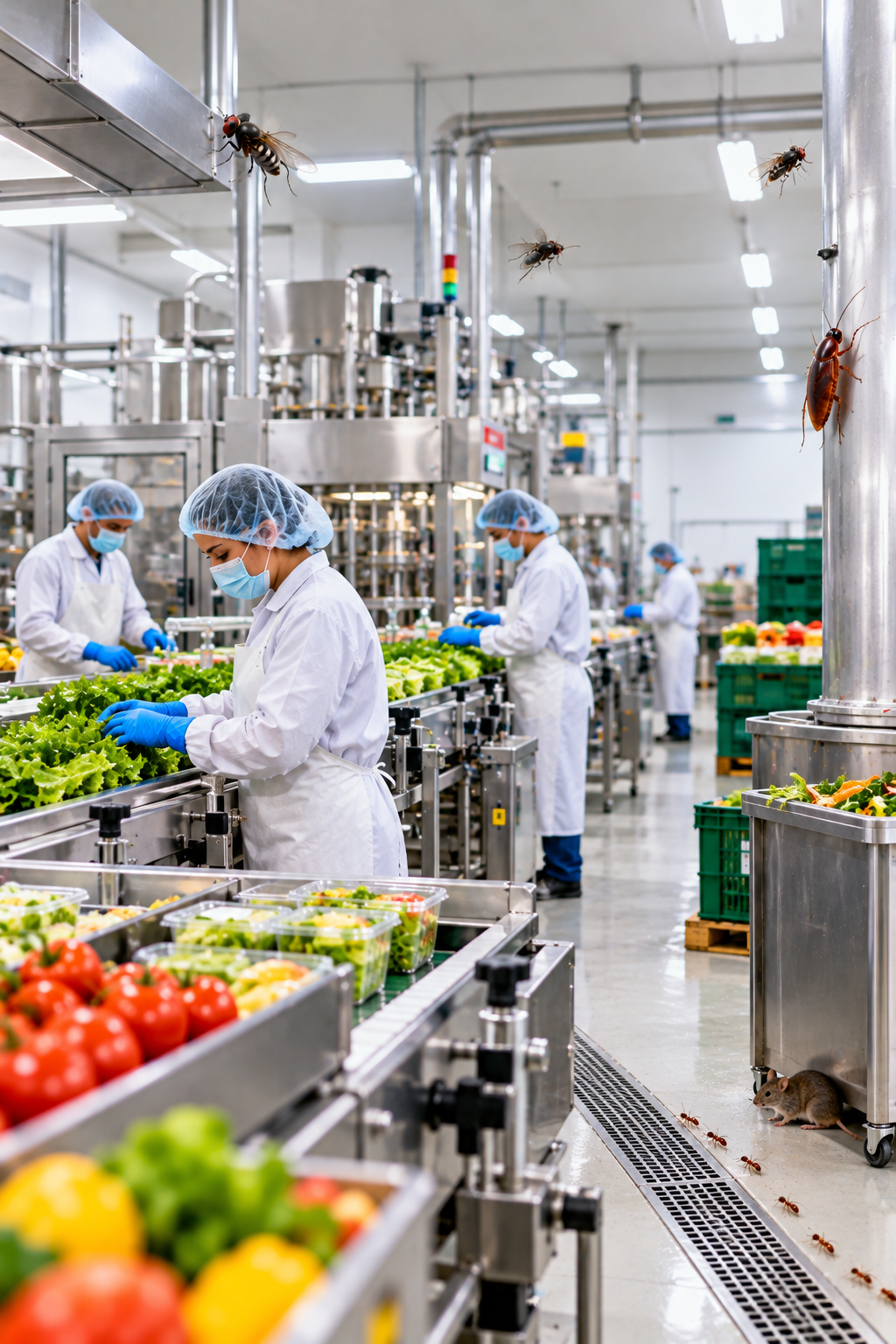
Food waste, organic residues, waste collection points, and disposal areas can influence pest activity.
Gaps around doors, service penetrations, damaged seals, and other openings can provide potential routes for pest entry.
Vegetation, loading areas, drains, waste-storage locations, and surrounding premises can influence conditions inside the facility.
Understand the site layout, production flow, storage areas, utilities, waste systems, and surrounding environment.
Identify areas requiring attention based on observed pest activity, potential entry routes, environmental conditions, and operational sensitivity.
Recommend practical improvements involving housekeeping, storage, waste handling, drainage, structural exclusion, and maintenance.
Use appropriate inspections and monitoring practices, supported by targeted pest-management measures where required.
Evaluate observations, service findings, recommendations, and follow-up requirements to strengthen ongoing prevention.
Programs are tailored to the facility type, products handled, operating environment, and identified pest risks.
We look for conditions that may contribute to pest activity and recommend practical improvements where appropriate.
Inspection observations, pest activity, treatment information, recommendations, and follow-up requirements can be documented within the agreed program.
Service activities can be planned around production schedules, cleaning, material movement, and access requirements.
Annual Maintenance Contract (AMC) programs can support scheduled inspections, monitoring, preventive measures, targeted control, and periodic review.
Treatment methods are selected according to the identified pest, treatment location, site conditions, and operational requirements.

Call Now
Mail Id
Visit office