Address
Flat No. I-3, Rupchandr Complex, B-Wing,
3rd Floor, Next To Surana Complex, Aurangpura

Flat No. I-3, Rupchandr Complex, B-Wing,
3rd Floor, Next To Surana Complex, Aurangpura

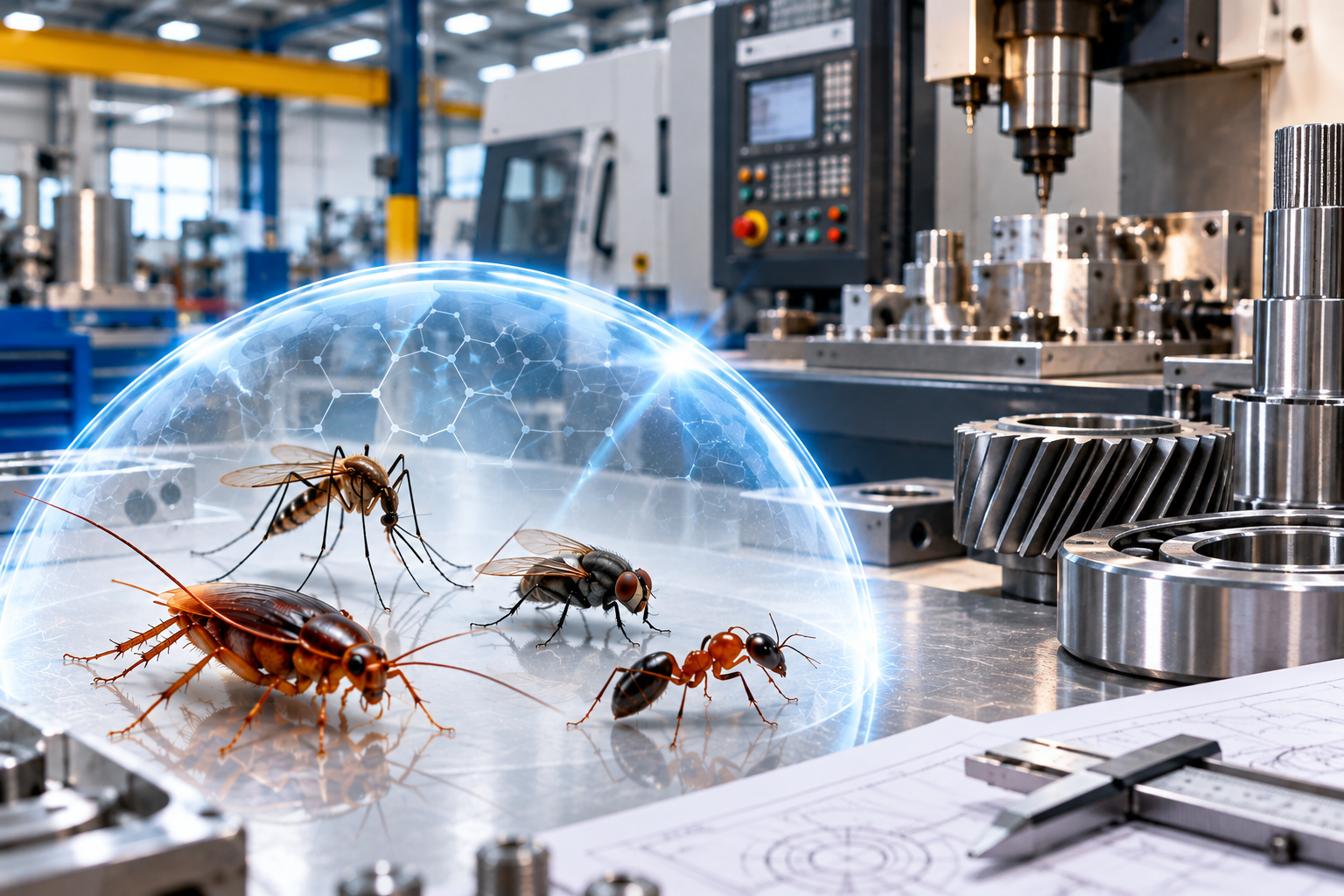
Engineering facilities bring together production machinery, raw materials, components, tools, finished products, warehouses, utilities, workshops, offices, and outdoor operational areas.
Although these environments may not involve direct food handling, pest activity can still affect stored materials, electrical and utility spaces, workplace conditions, equipment areas, warehouses, and overall facility operations.
24×7 Pest Management Services provides customized pest-management programs for engineering and manufacturing facilities, with a focus on prevention, monitoring, targeted control, and practical risk reduction.
Engineering facilities can vary significantly in size, layout, production processes, and operating conditions. A suitable pest-management program needs to reflect these differences.
Engineering Manufacturing Units
Auto Component Manufacturing
Industrial Component Manufacturing
Machine & Equipment Manufacturing
Fabrication Facilities
Metalworking Facilities
Assembly Units
Tool Rooms & Workshops
Industrial Warehouses
Spare Parts Storage
Manufacturing Plants
Industrial Complexes



Concealed areas around equipment, machine bases, service routes, and difficult-to-access spaces may provide potential harbourage.
Certain pests may be attracted to or gain access through cable routes, utility spaces, panels, ducts, and service openings.
Storage arrangements, pallets, floor-level materials, and low-access areas can make pest detection and inspection more difficult.
Long-term storage and infrequently accessed areas may require additional monitoring.
Oil residues, waste materials, storage conditions, equipment, and structural openings can contribute to site-specific pest risks.
Scrap material, packaging waste, discarded components, and waste-storage areas may attract or harbour certain pests.
Leaks, damp areas, drainage problems, condensation, and standing water can support insect activity.
Vegetation, waste, drainage, neighbouring properties, loading areas, and building access points can influence pest activity inside the facility.
Assess production areas, warehouses, workshops, utilities, offices, waste areas, loading zones, and external premises.
Look for pest activity, entry routes, harbourage, moisture, structural gaps, waste conditions, and storage-related risks.
Recommend practical measures related to housekeeping, storage, exclusion, drainage, waste management, and facility maintenance.
Use suitable inspection and monitoring practices to identify pest activity and changes in risk conditions.
Where required, implement appropriate pest-management measures based on the pest, location, facility conditions, and operational requirements.
Evaluate observations, service records, recommendations, and follow-up requirements.
Programs are developed around manufacturing processes, facility layout, equipment areas, storage, utilities, and operational conditions.
Production zones, workshops, warehouses, electrical spaces, utility areas, and external premises can be included within the management program according to site requirements.
We identify conditions that may contribute to recurring pest activity and provide practical recommendations where appropriate.
Inspection observations, pest activity, service information, recommendations, and follow-up requirements can be recorded as part of the agreed program.
Service planning can take production schedules, maintenance work, access requirements, and facility operations into consideration.
AMC programs can support scheduled inspections, monitoring, preventive measures, targeted control, follow-up, and periodic program review.
Call Now
Mail Id
Visit office