Address
Flat No. I-3, Rupchandr Complex, B-Wing,
3rd Floor, Next To Surana Complex, Aurangpura
Flat No. I-3, Rupchandr Complex, B-Wing,
3rd Floor, Next To Surana Complex, Aurangpura

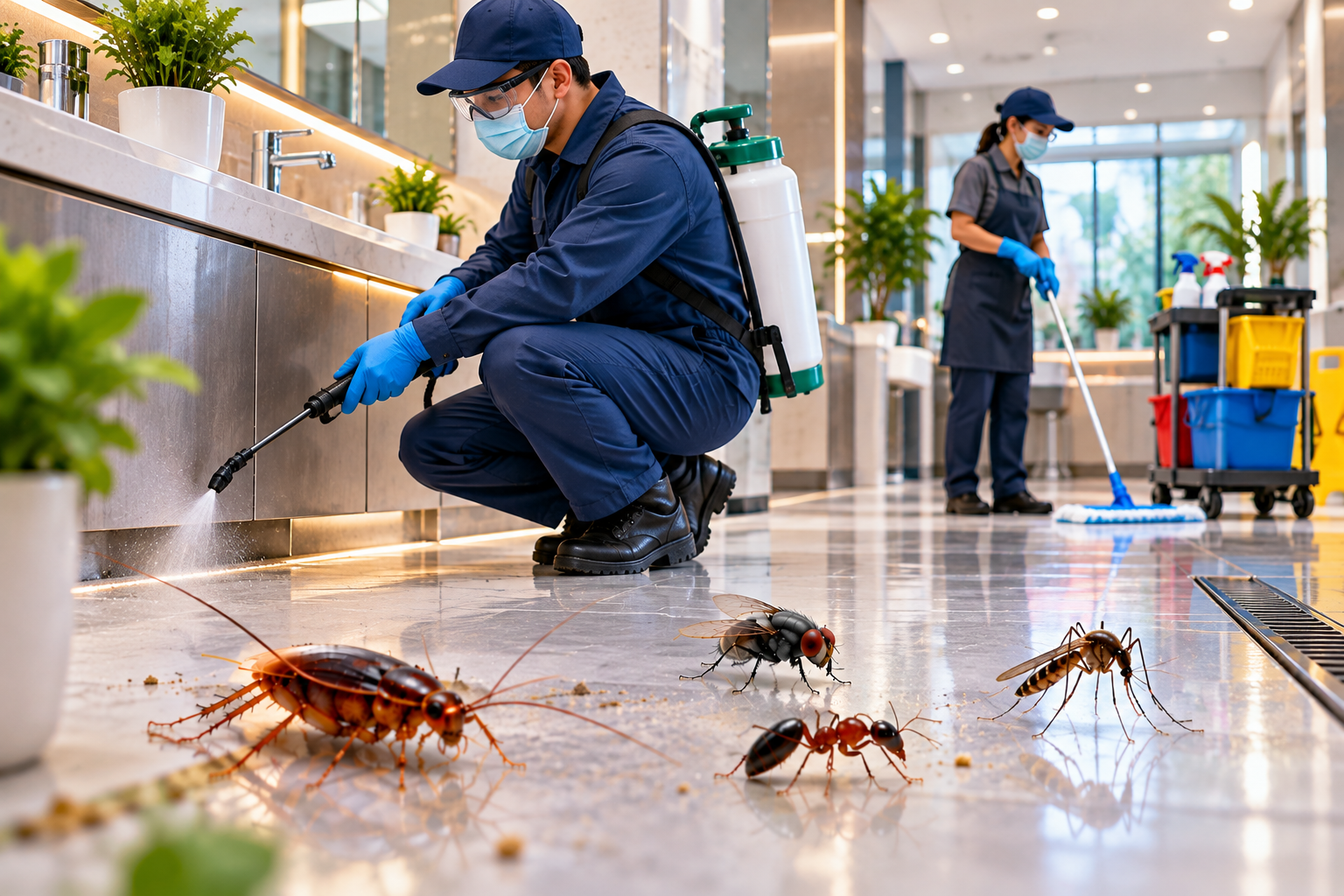
Maintaining a hygienic environment requires more than routine cleaning. Waste handling, moisture control, drainage, storage, housekeeping, building conditions, and pest prevention all contribute to the overall condition of a facility.
24×7 Pest Management Services supports hygiene management through site assessments, practical recommendations, pest-risk identification, and preventive measures tailored to the facility and its operating requirements.
Our approach helps businesses identify conditions that may contribute to pest activity and maintain better control over the environmental factors that influence hygiene.
Regular cleaning, removal of residues, and attention to difficult-to-access areas help maintain better facility conditions.
Appropriate waste collection, storage, and disposal practices help reduce potential food sources and pest-attracting conditions.
Leaks, damp surfaces, standing water, and drainage issues can contribute to hygiene concerns and certain pest activity.
Organized storage, accessible inspection areas, and appropriate material handling help support cleaner, more manageable spaces.
Structural gaps, damaged seals, service openings, and poorly maintained areas may create opportunities for pest entry or harbourage.
Perimeters, landscaping, drainage, loading areas, and waste-storage locations can influence conditions within the facility.
Attention to residues, storage, waste, cleaning routines, and drainage conditions.
Practical recommendations for maintaining orderly, clean, and well-managed environments.
Identification of moisture, waste, access, and housekeeping conditions that may require attention.
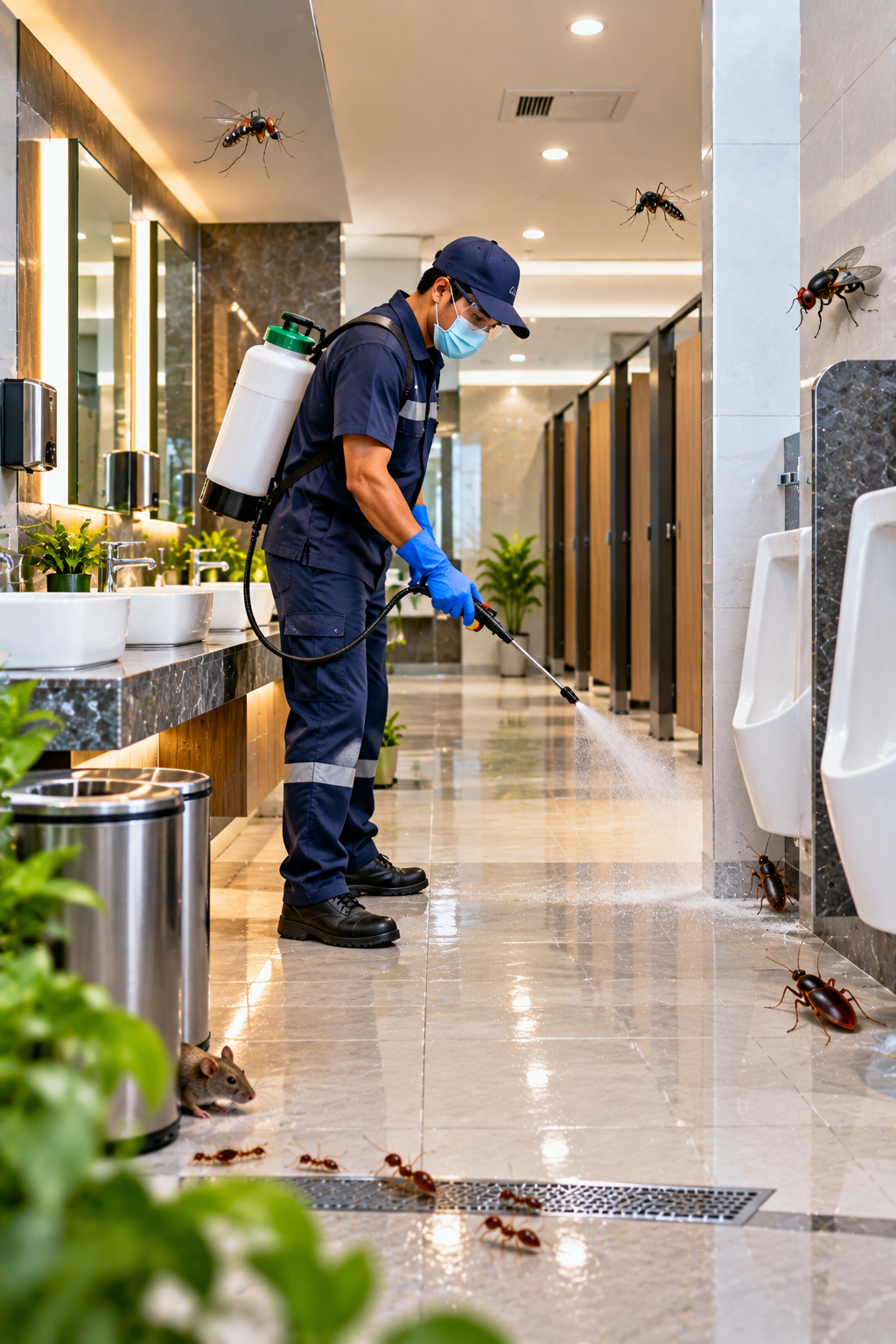
Observation of leaks, dampness, standing water, and drainage-related concerns.
Gaps around doors, service penetrations, damaged seals, and other openings can provide potential routes for pest entry.
Review of waste collection points, disposal areas, loading spaces, and supporting infrastructure.
Review relevant areas of the facility, including housekeeping, waste, drainage, storage, structural conditions, and pest-related risks.
Recognize conditions that may affect cleanliness, encourage pest activity, or make routine maintenance more difficult.
Provide site-specific recommendations relating to housekeeping, waste management, moisture, storage, exclusion, and maintenance.
Help identify practical measures that can reduce opportunities for pest activity and improve the management of facility conditions.
Revisit relevant observations and recommendations according to the agreed service scope.
Guidance is tailored to the site's layout, operating activities, environmental conditions, and identified concerns.
Attention is given to conditions that may contribute to recurring hygiene issues or pest activity.
Observations can help teams identify areas requiring additional cleaning, maintenance, waste management, or preventive attention.
Relevant findings, recommendations, and follow-up requirements can be recorded according to the agreed scope of service.
Recommendations and service activities can be planned with consideration for daily operations, access requirements, and facility schedules.
Periodic reviews can help identify recurring conditions and opportunities to strengthen facility-management practices.
Call Now
Mail Id
Visit office