Address
Flat No. I-3, Rupchandr Complex, B-Wing,
3rd Floor, Next To Surana Complex, Aurangpura

Flat No. I-3, Rupchandr Complex, B-Wing,
3rd Floor, Next To Surana Complex, Aurangpura

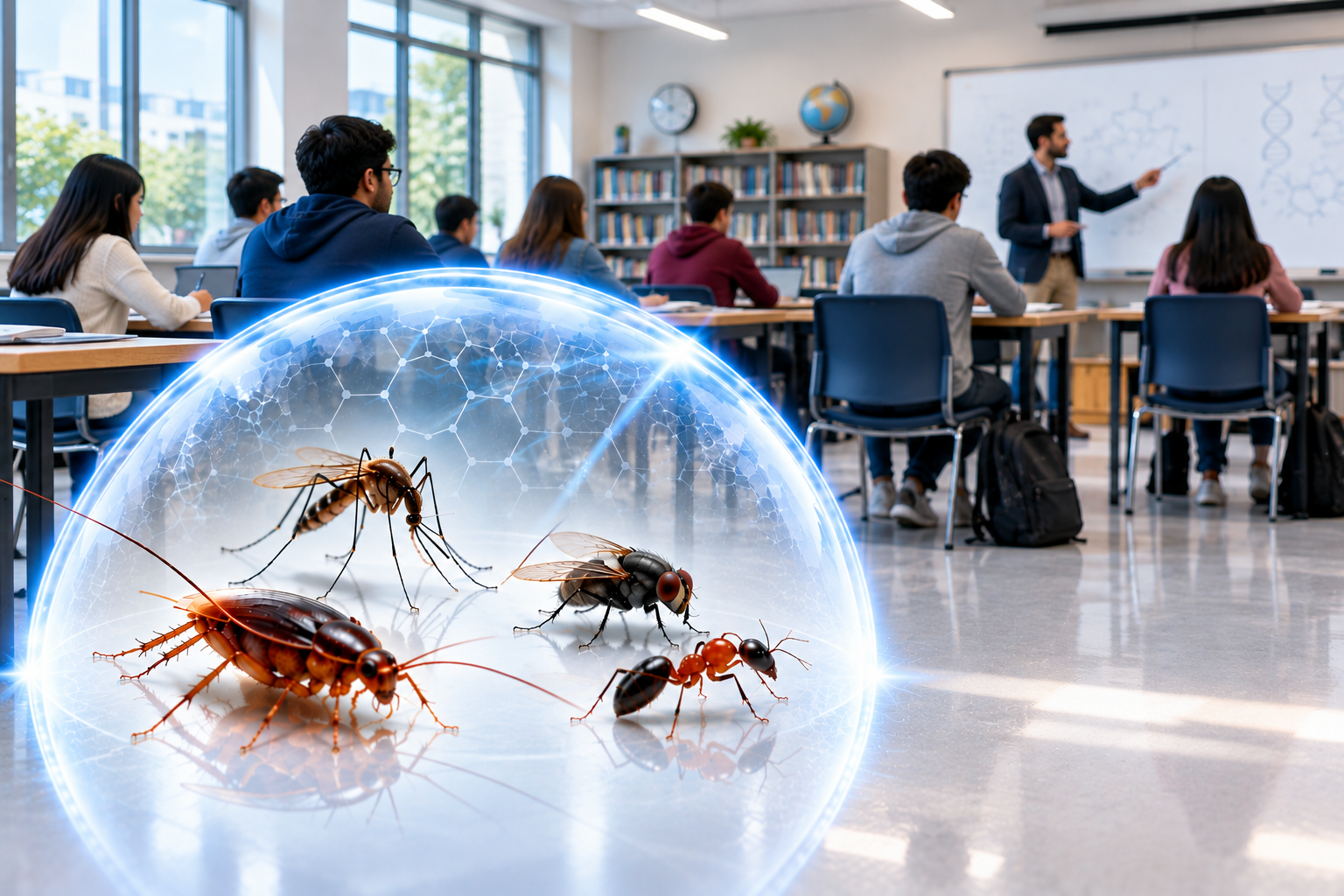
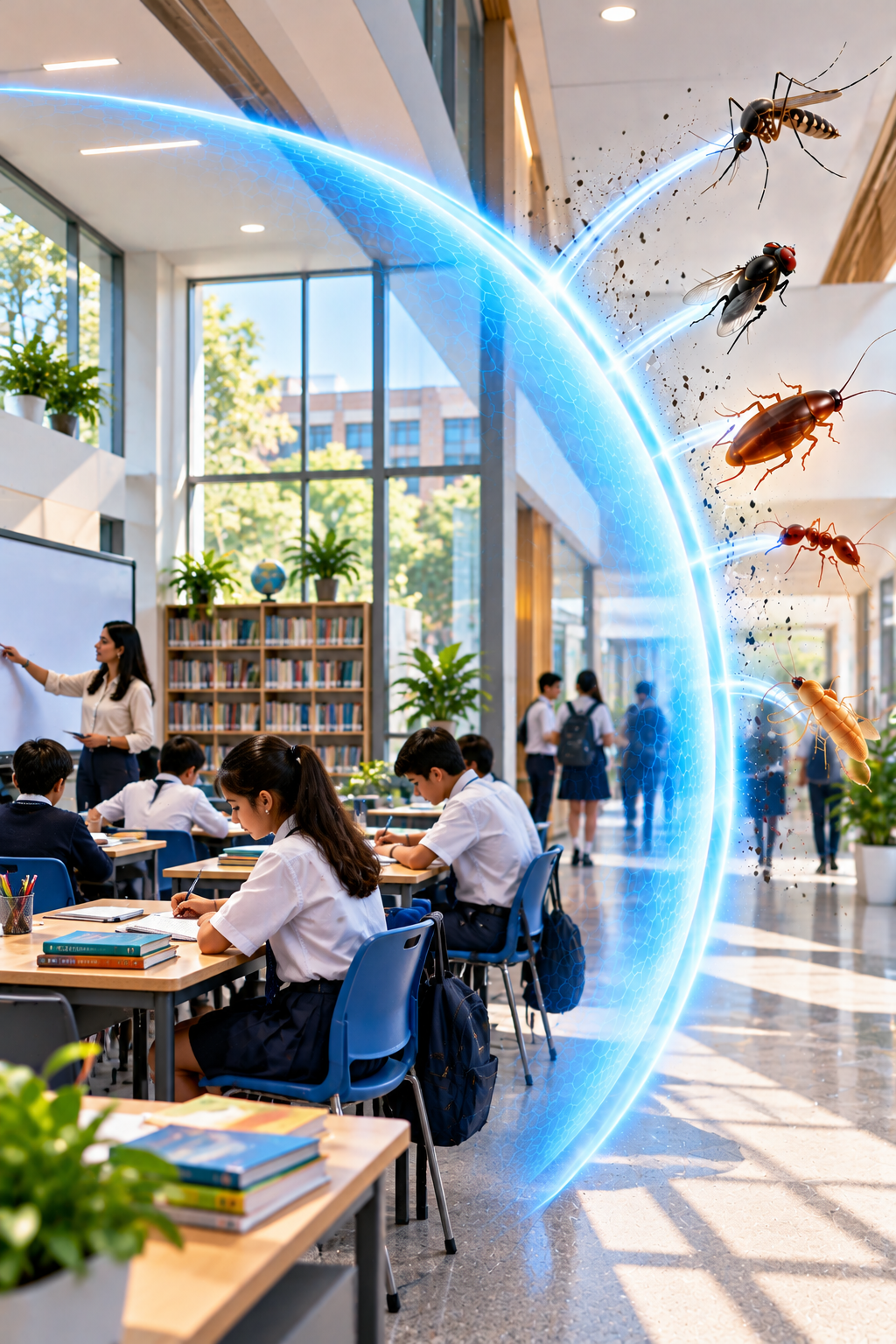
Schools and universities are active environments where students, teachers, staff, visitors, food services, laboratories, libraries, hostels, and outdoor spaces operate together every day.
With large populations, shared facilities, food areas, sanitation systems, storage spaces, and extensive campuses, educational institutions can face a variety of pest-management challenges.
24×7 Pest Management Services provides customized pest-management programs for schools, colleges, universities, hostels, and educational campuses, focusing on prevention, monitoring, targeted control, and practical long-term pest management.
Educational campuses contain very different spaces, each with its own operating conditions and pest-management considerations.
Schools
Colleges
Universities
Educational Campuses
Residential Schools
Hostels & Student Residences
Training Institutes
Coaching & Learning Centres
Research & Educational Facilities
Institutional Campuses


Food residues, stored ingredients, dining areas, kitchen waste, and drainage can contribute to pest activity.
Hostels and residential facilities may present additional risks associated with food, personal belongings, shared spaces, furniture, laundry, and high occupancy.
Washrooms, plumbing, drains, damp areas, leaks, and standing water can contribute to certain insect activity.
Books, paper, cartons, furniture, archives, stores, and low-access areas may require additional inspection.
Food waste, general waste, collection points, and external waste areas can attract pests when conditions permit.
Doors, windows, ventilation points, service openings, structural gaps, and utility routes may provide potential pest-entry opportunities.
Vegetation, gardens, sports grounds, drainage, outdoor waste areas, and surrounding premises can influence pest pressure.
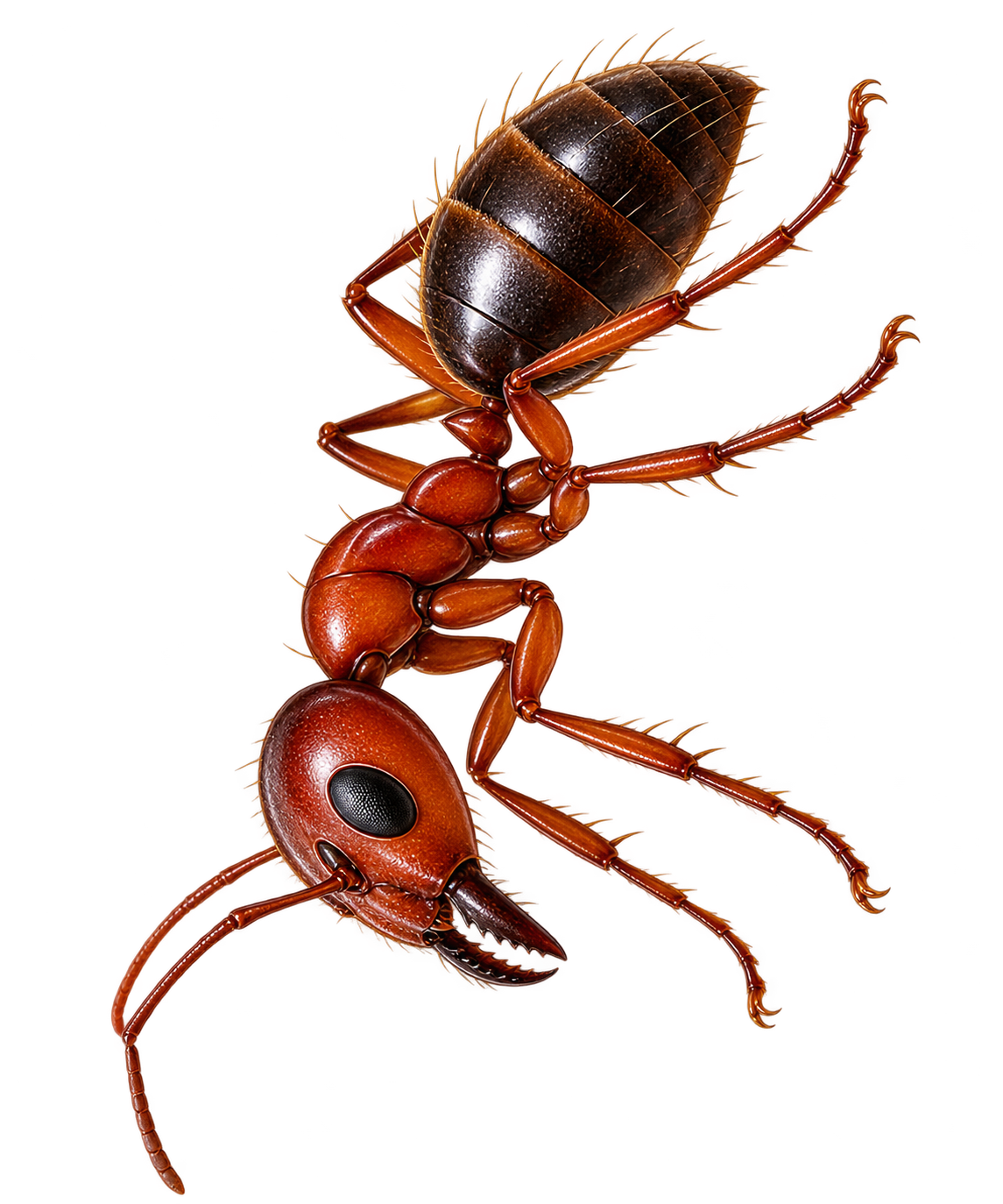
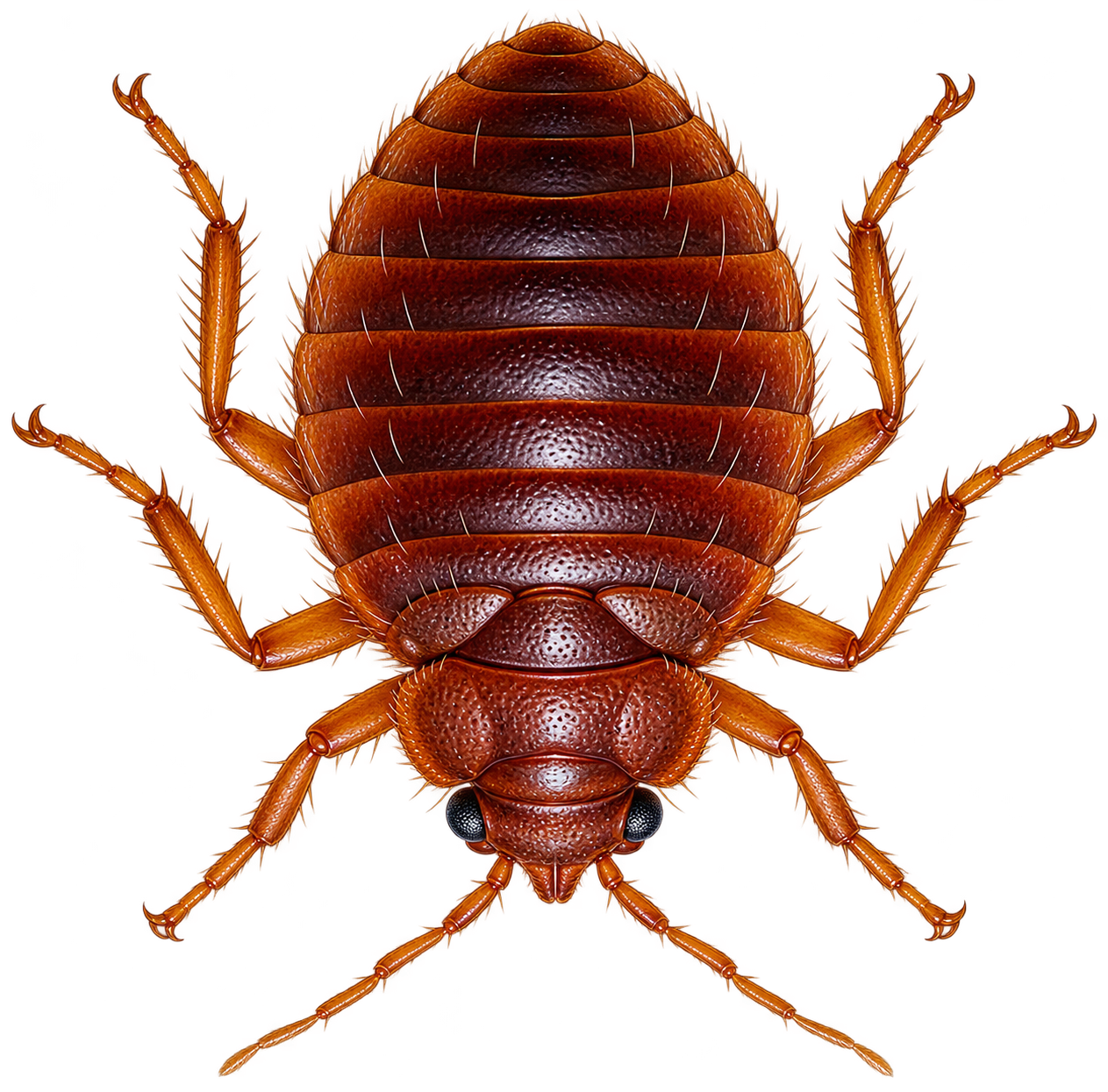
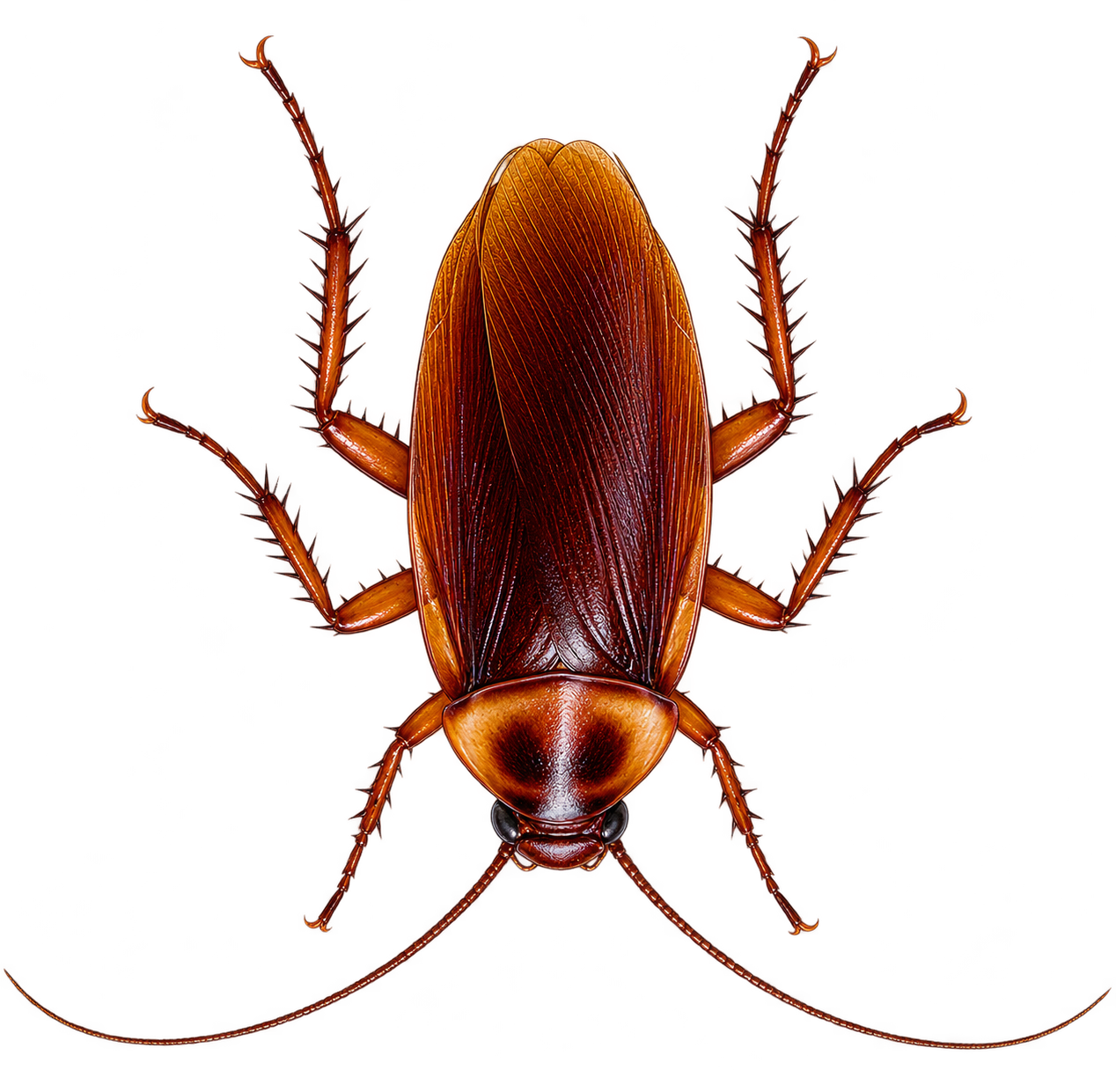
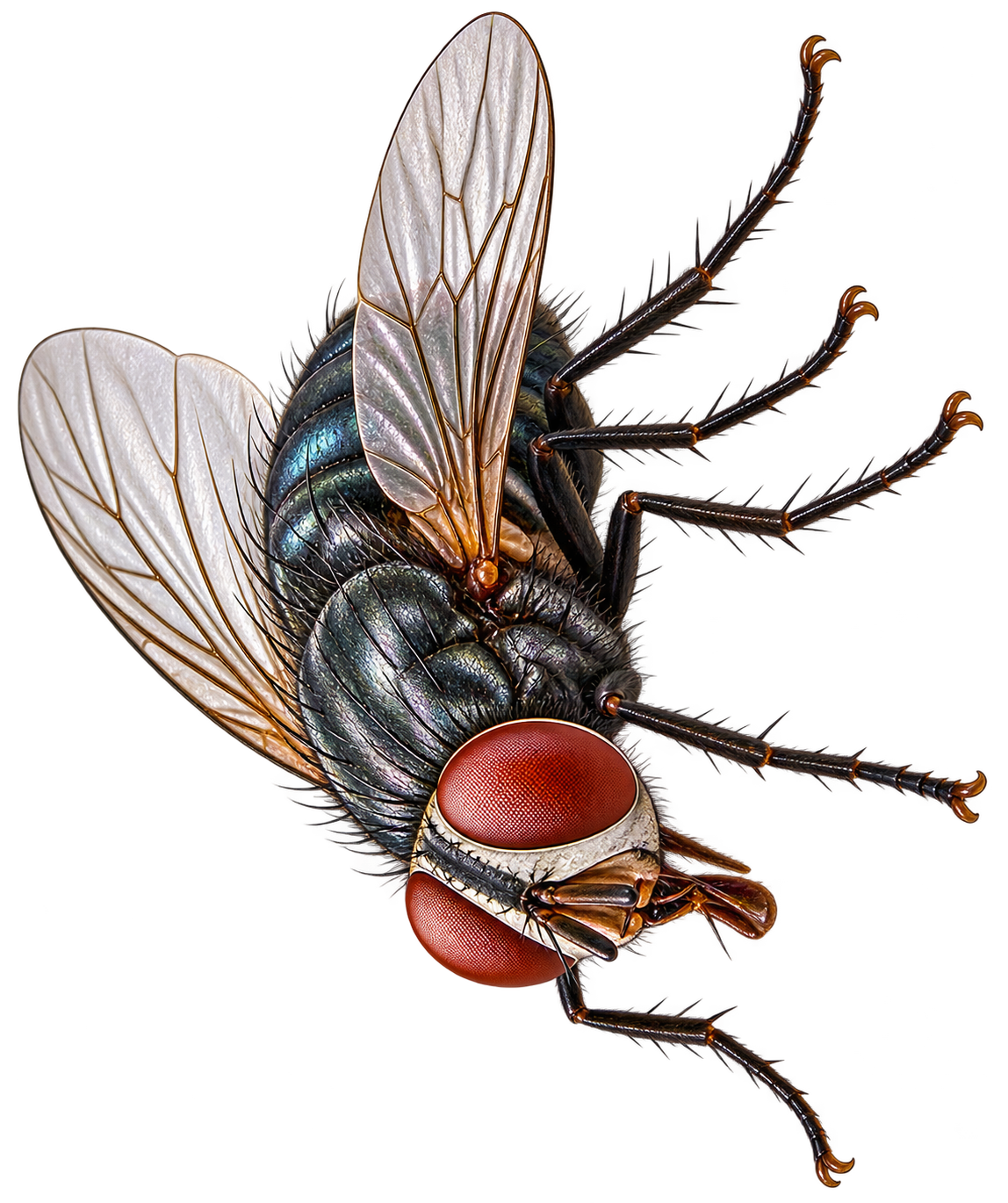
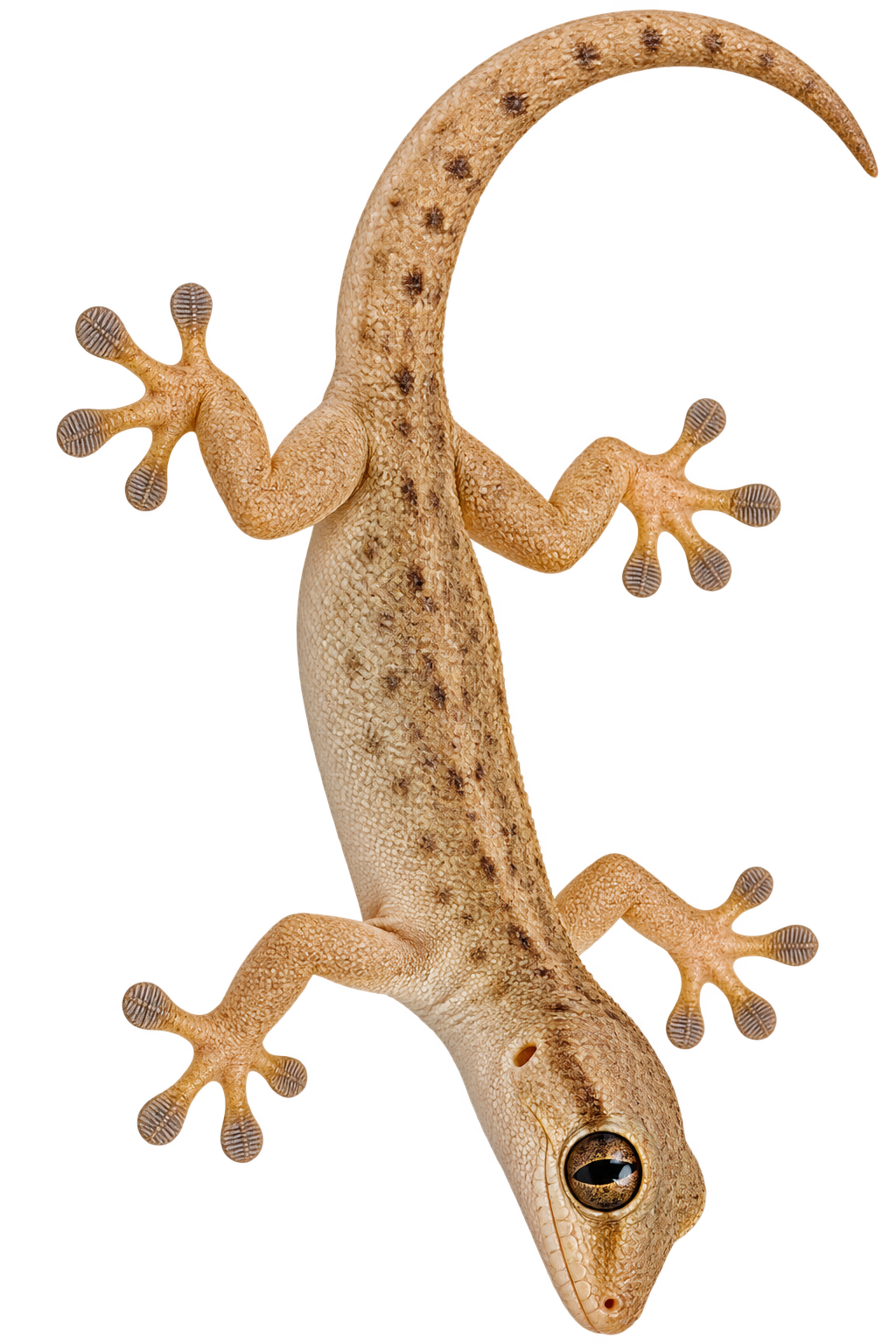
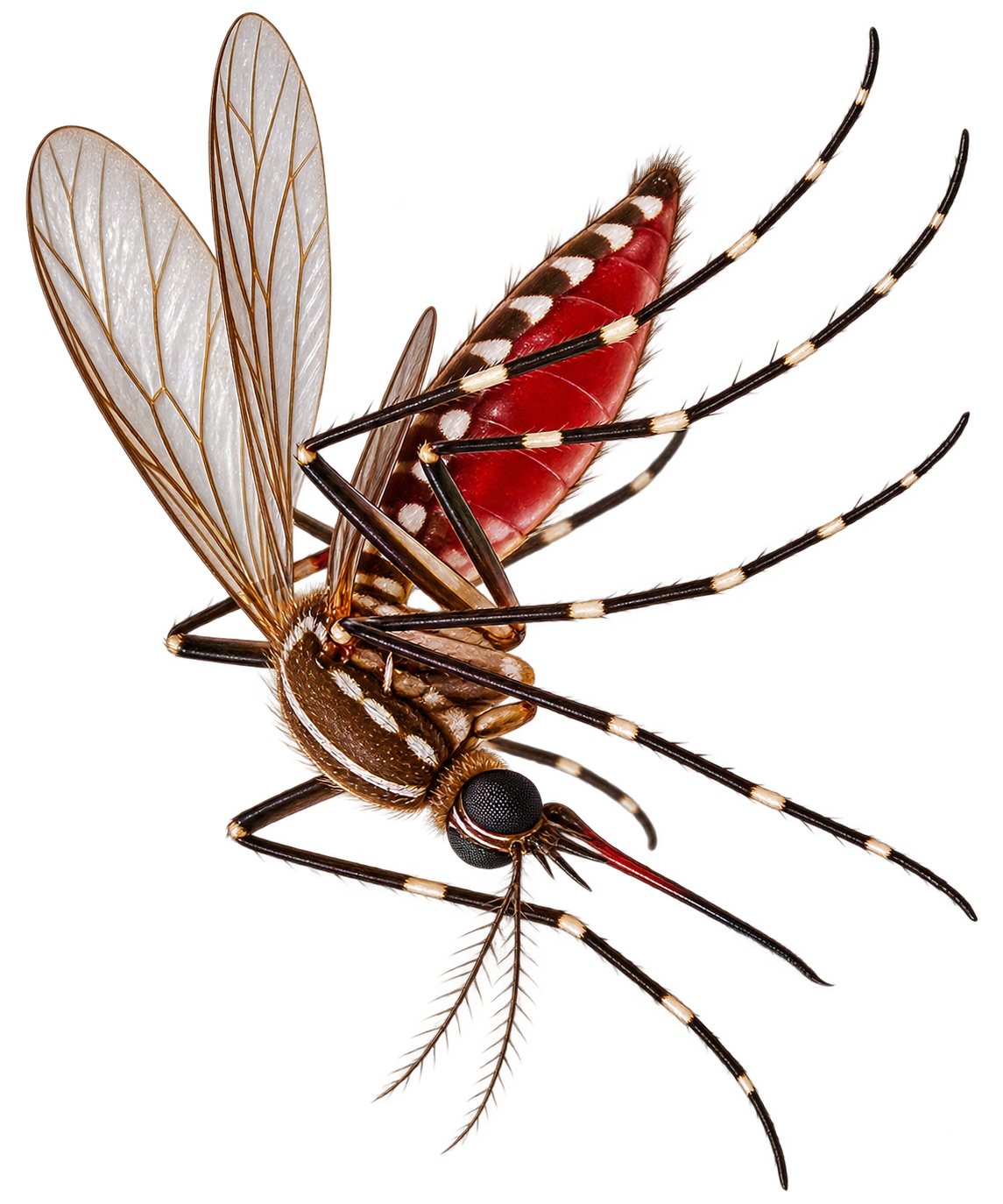
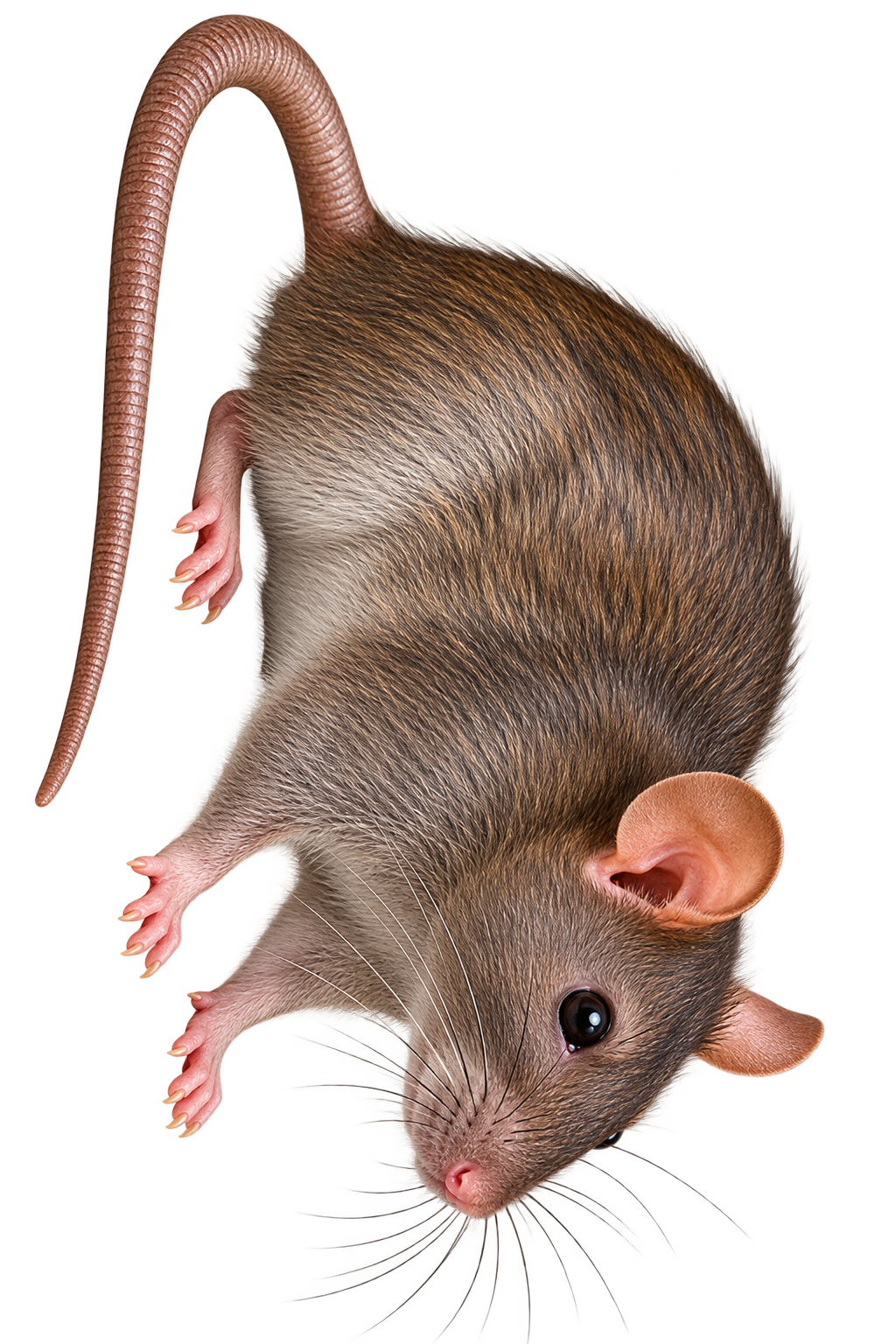
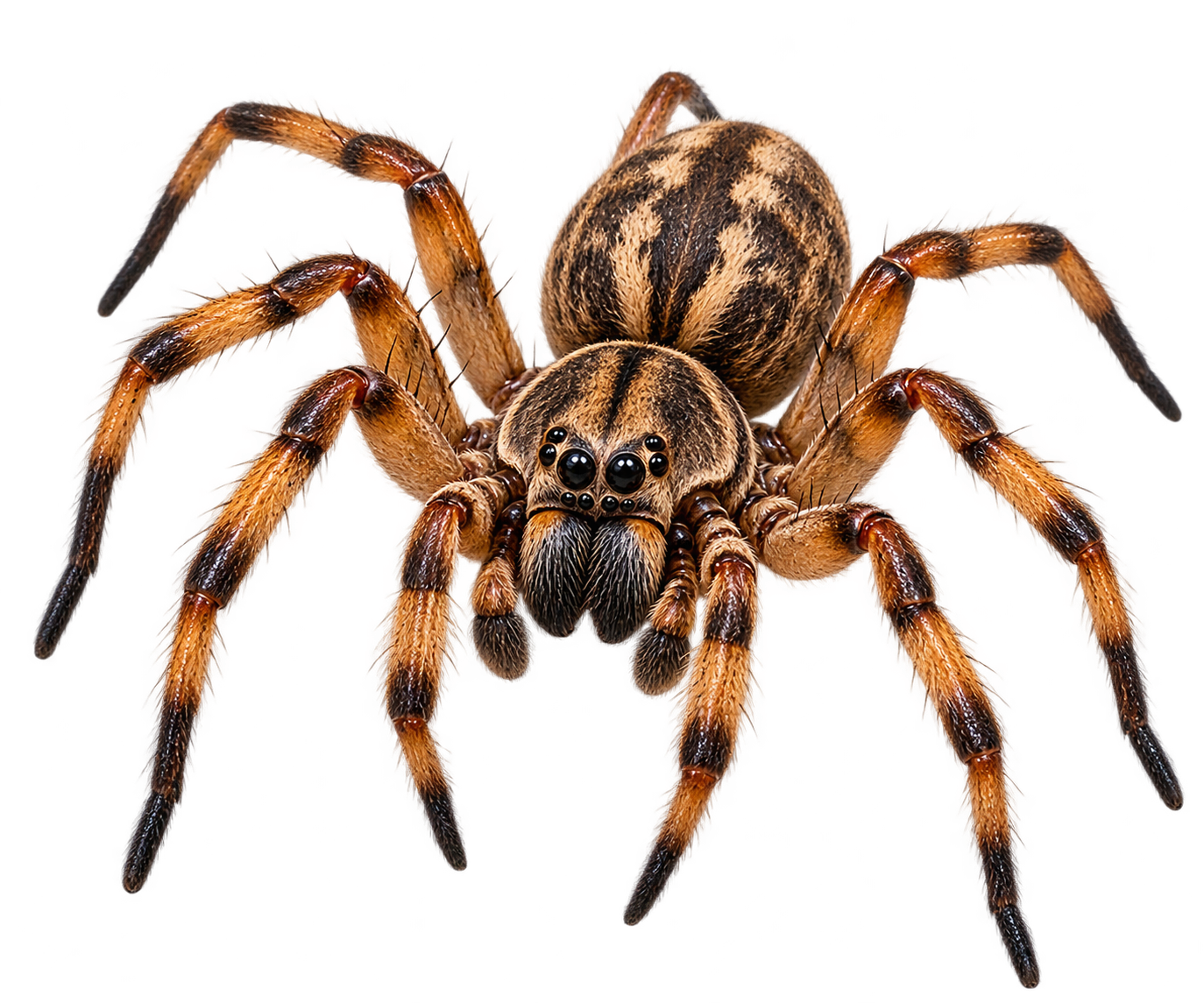
Depending on campus conditions, pest concerns may include cockroaches, ants, rodents, mosquitoes, flies, termites, bed bugs, spiders, and other site-specific pests.
Inspect classrooms, hostels, food areas, laboratories, libraries, storage, utilities, outdoor spaces, and building perimeters.
Assess pest activity, access points, harbourage conditions, moisture, food sources, waste, and environmental factors.
Prioritize areas based on pest activity, occupancy, sensitivity, facility use, and operational requirements.
Provide practical recommendations related to housekeeping, food storage, waste, drainage, exclusion, storage, and campus conditions.
Use suitable inspection and monitoring practices to identify pest activity and changing risk conditions.
Apply targeted pest-management measures according to the pest, location, site conditions, and operational requirements.
Programs are developed around the specific characteristics of schools, colleges, universities, and residential campuses.
Service planning can take into account occupied classrooms, hostels, common areas, food facilities, and high-traffic spaces.
We focus on identifying conditions that may contribute to recurring pest activity and providing practical recommendations where appropriate.
Relevant buildings, common facilities, outdoor areas, utilities, and perimeter locations can be included according to site requirements.
Inspection observations, pest activity, treatment information, recommendations, and follow-up requirements can be documented as part of the agreed program.
Services can be coordinated around academic schedules, examinations, holidays, events, cleaning, and maintenance activities.
Call Now
Mail Id
Visit office