Address
Flat No. I-3, Rupchandr Complex, B-Wing,
3rd Floor, Next To Surana Complex, Aurangpura

Flat No. I-3, Rupchandr Complex, B-Wing,
3rd Floor, Next To Surana Complex, Aurangpura

At 24×7 Pest Management Services, our leadership is driven by a clear purpose—to build a professional pest management organization that places safety, quality, customer trust, and long-term prevention at the center of everything we do.
Our leadership philosophy is based on understanding client requirements, developing capable teams, maintaining professional standards, and continuously improving the way pest management services are delivered.
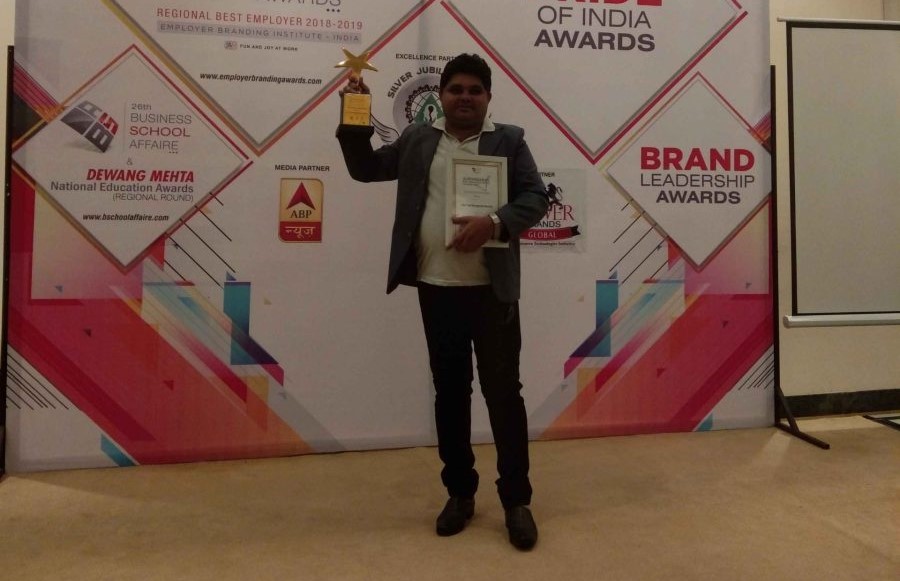

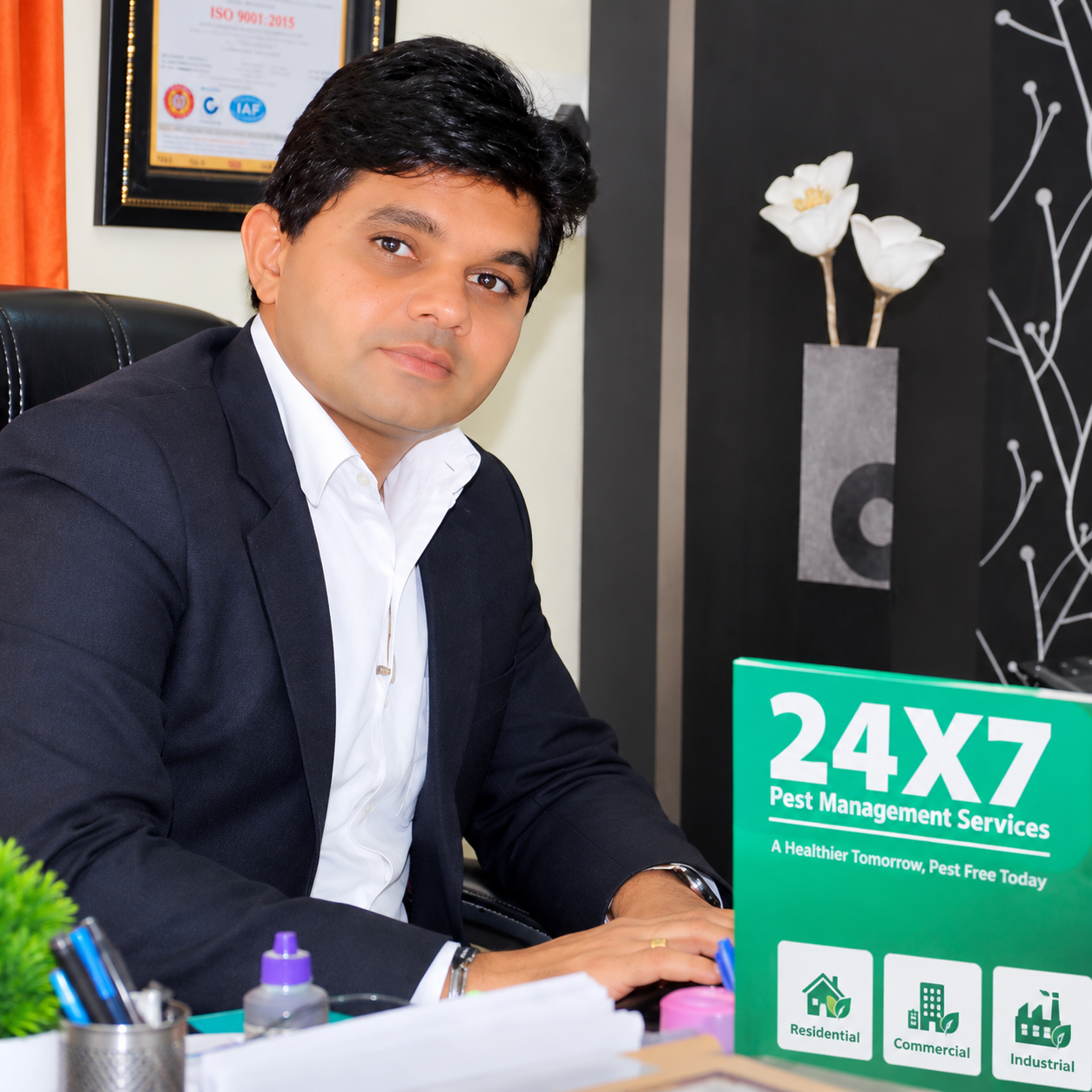
Mr. Sandeep K. Gire is the Founder and Managing Director of 24×7 Pest Management Services, established in 2011 with a clear purpose: to bring a more scientific, systematic, and responsible approach to pest management.
Over the years, he has combined his academic knowledge, technical training, business experience, and people-management skills to build an organization focused on quality, safety, hygiene, customer confidence, and long-term relationships.
He has also successfully completed a 15-day training programme in “Urban Integrated Pest Management” at the National Institute of Plant Health Management (NIPHM), Hyderabad, Government of India.
His background in Chemistry and insecticide knowledge, combined with expertise in management, marketing, human resource development, and integrated pest management, has shaped the company's approach to service delivery.
People, Compliance & Organizational Excellence
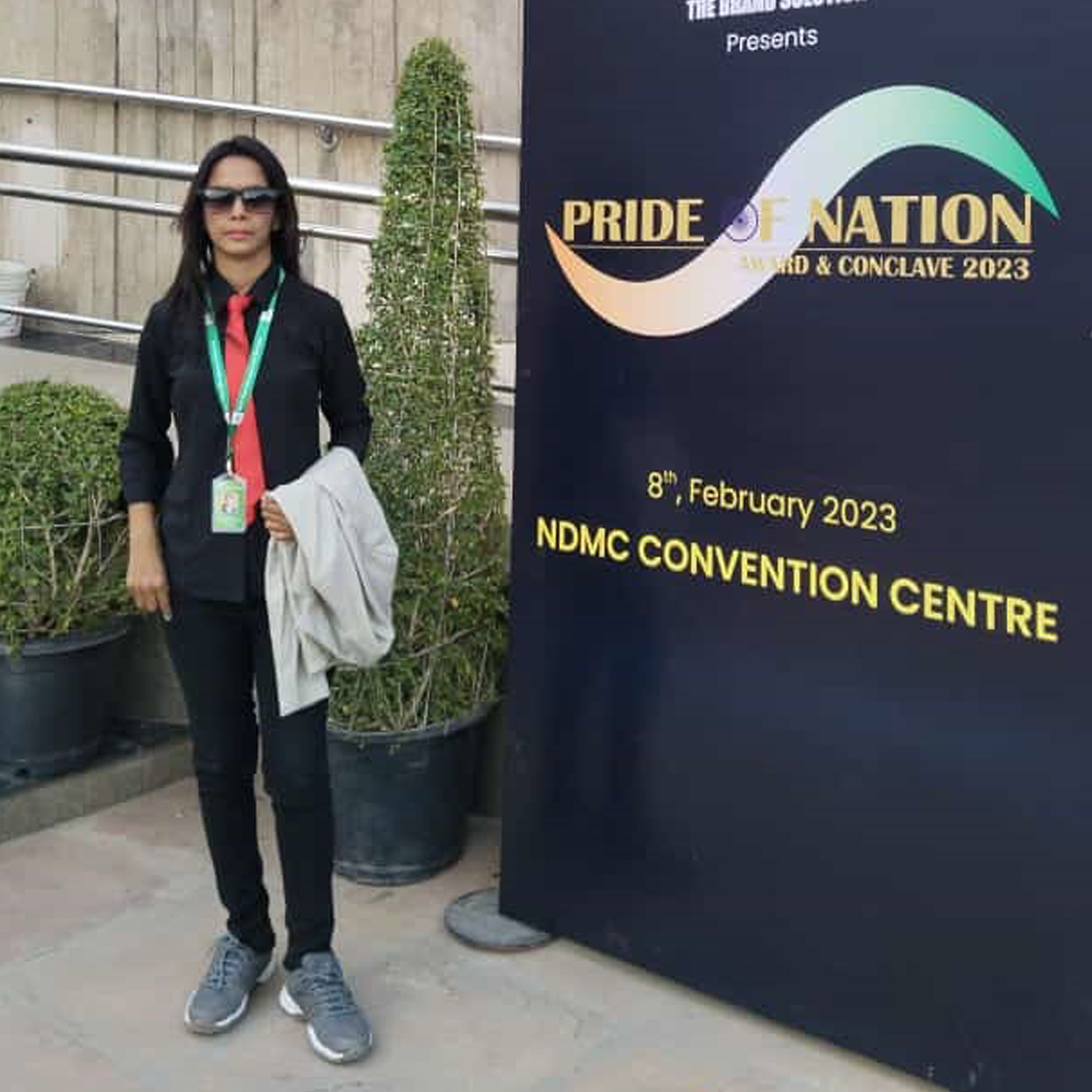
Mrs. Vaishu Sandeep Gire serves as the HR & Legal Manager of 24×7 Pest Management Services, contributing to the organization's people management, legal coordination, recruitment, employee development, and administrative functions.
With an academic and professional background that combines Chemistry, Human Resource Management, Management, and Business Administration, she brings a balanced perspective to both people and organizational requirements.
Specialized Technical Training
She has successfully completed a 15-day training programme on “Fumigation as a Phytosanitary Treatment (Methyl Bromide and Aluminium Phosphide Fumigation)” at the National Institute of Plant Health Management (NIPHM), Hyderabad, Government of India.
Maintaining high standards of conduct, service delivery, communication, and technical practice.
Understanding the unique requirements of every client and developing solutions that address their specific environment and risks.
Prioritizing the safety of people, products, facilities, employees, and the environment.
Learning from every service experience and continuously improving our processes, systems, and performance.
Building the organization through ethical practices, quality service, strong relationships, and long-term customer trust.


Great pest management depends on more than products and equipment. It depends on people, knowledge, discipline, and consistent execution.
Our leadership focuses on developing a team that understands the importance of:
We believe that a successful pest management relationship is built on:
Professional service
Proper inspection
Pest identification
Risk assessment
Preventive practices
Responsible treatment
Monitoring
Documentation
Customer communication
Workplace safety
We first understand the client's environment, requirements, and pest-related challenges.
We identify potential risks, contributing conditions, and areas requiring attention.
We develop a practical and customized pest management strategy.
Our leadership approach is reflected in the way we work with clients.
Our team implements the planned treatment and preventive measures professionally.
We evaluate pest activity and treatment effectiveness.
We review results and recommend improvements for stronger long-term prevention.
Call Now
Mail Id
Visit office